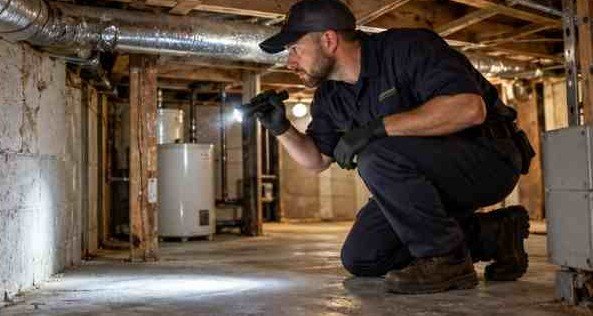
Seeing a spider inside your home can be uncomfortable, especially when you are unsure whether it is harmless or dangerous. While finding one spider does not always mean you have a serious problem, repeated sightings may indicate something that needs attention. Spiders are commonly found in garages, basements, storage rooms, and other quiet areas where they can hide and find food.
Most are harmless and even help control other insects. However, certain situations may require professional spider control to protect your home and reduce unwanted activity. For homeowners, knowing when to handle a spider problem yourself and when to contact a professional can save time, prevent unnecessary treatments, and provide peace of mind.
When Spider Sightings Become Too Frequent
Finding an occasional spider indoors is usually not a reason to worry. Spiders sometimes enter homes through open doors, windows, and small cracks while searching for shelter or food. However, seeing multiple spiders throughout your home every day may suggest a larger problem.
Frequent sightings in bedrooms, bathrooms, kitchens, and living areas deserve closer attention. Pay attention to how often spiders appear and where you find them. If you continue noticing new spiders shortly after removing them, there may be hidden areas where they are living. A professional inspection can help determine whether the activity is temporary or part of a larger spider infestation that requires treatment.
When Spider Webs Keep Appearing Around Your Home
Spider webs are another sign worth watching. Finding a few webs in corners or outdoor spaces is normal. However, repeatedly discovering fresh webs in the same locations may indicate ongoing spider activity.
Common places to check include:
- Ceiling corners and window frames
- Garages and storage rooms
- Basements and crawl spaces
- Outdoor furniture and covered patios
- Areas behind large appliances
Removing webs can help maintain a clean environment, but it may not address why spiders continue returning. If webs keep appearing despite regular cleaning, consider having the affected areas inspected. Identifying spider hiding places and available food sources can help create a more effective long-term solution.
When You Discover Spider Egg Sacs
Spider egg sacs can be an important warning sign, especially when several appear in different parts of your home. These sacs contain developing spider eggs, although the number varies depending on the species. Finding multiple egg sacs may suggest that spiders have established suitable places to reproduce.
Egg sacs are sometimes attached to webs or hidden in protected spaces such as storage areas, garages, and behind furniture. Regular vacuuming can help remove accessible sacs, but difficult-to-reach areas may need additional attention. If you continue finding egg sacs or notice increasing spider activity, professional pest control may help identify the source and recommend appropriate management methods.
When You Suspect Dangerous Spiders Are Present
Not every spider presents a serious health risk. Many species are harmless to humans and prefer to avoid contact. However, certain spiders deserve greater caution. Black widow spiders are among the main species of medical concern. They may be found in sheltered outdoor spaces, garages, and other undisturbed areas. If you suspect dangerous spiders are present, avoid handling them directly.
Keep children and pets away from the affected area until the situation can be assessed. A trained professional can help identify the spiders and determine whether targeted treatment is necessary. If someone experiences a suspected dangerous spider bite, especially with severe pain, muscle cramps, or difficulty breathing, seek immediate medical attention. Pest treatment should never replace proper medical care.
When Spiders Are Hiding in Hard-to-Reach Areas
Some spider problems are difficult to manage because the spiders remain hidden in areas homeowners rarely inspect. Crawl spaces, wall openings, cluttered storage rooms, and unfinished basements can provide sheltered environments where spiders may remain undisturbed. These locations can make it challenging to determine how many spiders are present or where they are entering.
Attempting to reach every hidden space without proper equipment may also be unsafe. Professional inspectors can examine accessible problem areas, identify likely entry points, and recommend practical ways to reduce spider activity without disturbing unnecessary parts of your home. Addressing these hidden conditions can make future spider prevention efforts more successful.
When Home Remedies Are No Longer Working
Many homeowners start with basic solutions such as vacuuming webs, reducing clutter, and sealing small gaps around doors and windows. These methods are often effective for occasional spider sightings. However, if spiders continue appearing after consistent cleaning and prevention efforts, additional investigation may be needed.
One overlooked reason spiders remain indoors is the presence of other insects. Since spiders feed on insects, an available food supply may encourage them to stay. An effective approach should address both spider activity and the conditions attracting them. Rather than repeatedly applying household sprays, consider getting a professional assessment to understand the underlying problem and avoid unnecessary pesticide use.
What to Expect From a Professional Spider Inspection
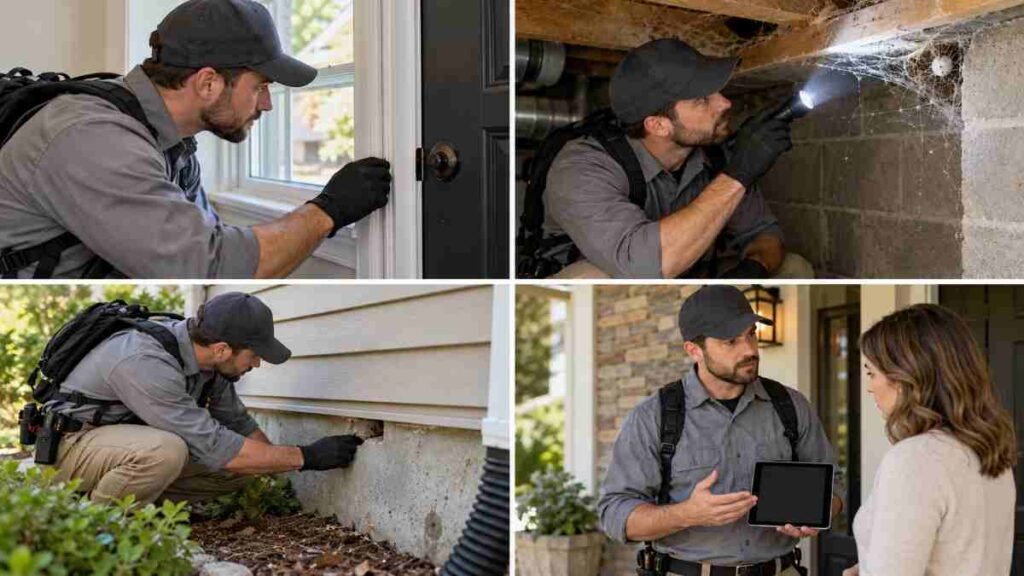
If you are searching online for spider exterminators in Logan, choosing someone who understands local spider activity and uses a careful inspection process is important. A professional visit should focus on identifying the problem before recommending treatment. During an inspection, a technician may examine common hiding places, look for webs and egg sacs, identify accessible entry points, and check for insects that may be attracting spiders.
Depending on the findings, recommendations may include cleaning, exclusion methods, habitat changes, monitoring, or targeted pesticide applications when justified. You should also ask about treatment methods, safety precautions, and any preparation required before service. A good inspection helps homeowners understand whether the problem requires immediate action or can be managed through preventive measures.
How to Reduce Spider Problems Before They Become Serious
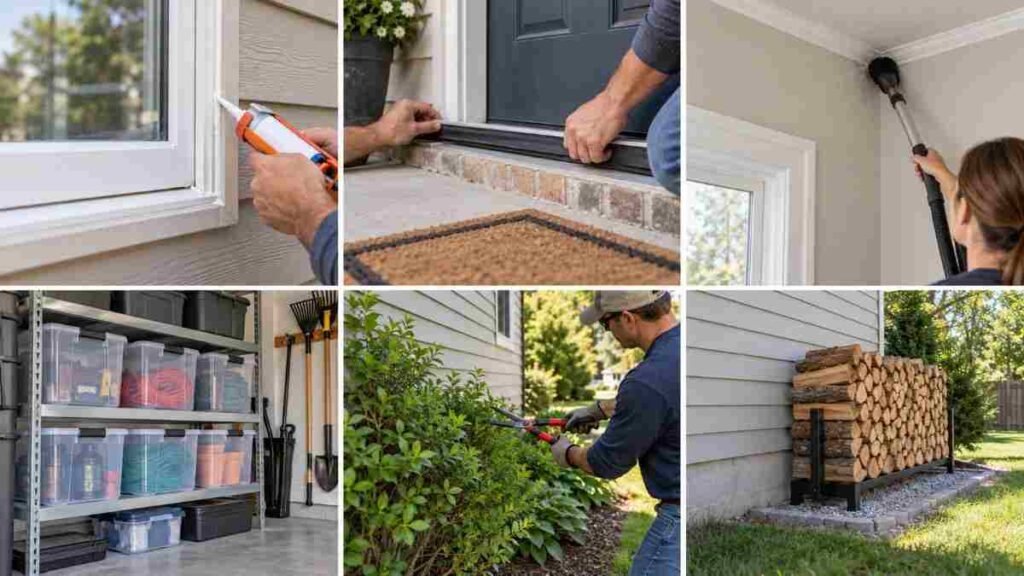
Preventing spiders from entering and settling inside your home is often easier than dealing with repeated sightings. Start by keeping storage areas organized and reducing unnecessary clutter. Use sealed containers when possible, especially in garages and basements. Inspect doors and windows for gaps, repair damaged screens, and install weather stripping where needed. Outdoor maintenance is equally important.
Move firewood and unused materials away from exterior walls, trim vegetation touching the house, and reduce insects attracted to outdoor lighting. Vacuum corners and other quiet indoor spaces regularly to remove webs, spiders, and accessible egg sacs. These simple maintenance habits can make your property less attractive to spiders and reduce the likelihood of recurring problems.
Know When Professional Help Is the Right Choice
A single spider does not automatically mean your home needs professional treatment. However, frequent sightings, repeated webs, multiple egg sacs, suspected dangerous species, and unsuccessful cleaning efforts are all reasons to investigate further. Ignoring persistent activity can allow the conditions attracting spiders to continue.
Homeowners should pay attention to changes in spider activity, particularly in storage areas and other places that are rarely disturbed. Professional assistance can help identify the cause, determine whether treatment is necessary, and recommend practical prevention steps. Taking action when warning signs first appear can help you maintain a cleaner, more comfortable home without relying on unnecessary treatments.