In today’s fast-paced commerce environment, efficient warehouse management serves as the vital backbone of every successful supply chain. A well-run facility ensures products are delivered promptly, inventory records remain accurate, and operational overhead is kept to a minimum. However, managing high-volume inventory, navigating tight fulfillment deadlines, and keeping staff safe can quickly become overwhelming without a structured approach.
Transforming your warehouse into a streamlined, high-performing hub requires combining smart spatial design, modern technology, optimized inventory strategies, and proactive safety protocols. Below are essential, actionable strategies to help simplify your warehouse operations and boost productivity across the board.
1. Optimize Warehouse Layout and Space Utilization
The foundation of any efficient warehouse begins with its physical layout. A poorly organized floor plan creates unnecessary travel time, leads to congestion in high-traffic aisles, and increases the likelihood of misplaced inventory.
To maximize space and speed up workflows on showtime for shopping e-commerce platforms, consider the following layout practices:
- Strategic Zoning: Divide your warehouse floor into distinct zones based on product demand, item weight, or seasonal frequency. Store high-turnover items near packing and shipping docks to minimize walking distance for pickers.
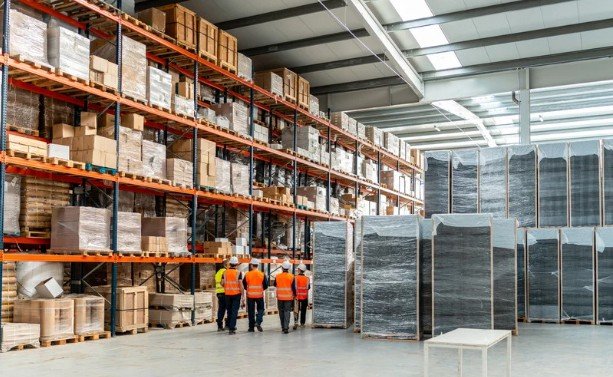
- Vertical Racking Solutions: Utilize high-density pallet racking systems and mezzanines to capitalize on vertical space, keeping clear access to every item.
- Clear Pathways: Designate wide, clearly marked lanes to separate forklift traffic from pedestrian walkways, reducing congestion and preventing accidents.
2. Leverage Modern Warehouse Technology

Relying on manual spreadsheets or paper-based tracking introduces human error and slows down order fulfillment. Embracing modern digital tools provides real-time visibility into your entire operation, allowing managers to make data-driven decisions.
Integrating a robust Warehouse Management System (WMS) centralizes order processing, automates restocking alerts, and optimizes picking routes. When paired with barcode scanning and RFID tracking, inventory counts are updated automatically upon receipt or dispatch, ensuring stock levels remain accurate. For high-capacity facilities, specialized tools like digital weight indicators integrated into pallet scales ensure loads are safely measured before shipping to avoid compliance fines or strain on lifting equipment.
3. Refine Inventory and Pallet Management
Mismanaged inventory ties up valuable capital and leads to costly stockouts or product degradation. Streamlining how inventory moves into, through, and out of the warehouse requires structured handling protocols.
Adopting an ABC inventory classification method helps prioritize resources by categorizing stock into high-value/fast-moving items (Class A), moderate items (Class B), and lower-turnover bulk goods (Class C). Implementing a First-In, First-Out (FIFO) inventory flow ensures older stock is dispatched first, which is critical for perishable items and general quality control.
Furthermore, standardizing pallet sizes and conducting regular cycle counts helps maintain consistent stacking practices, minimizes product damage during transit, and keeps digital records aligned with physical stock.
4. Prioritize Equipment Maintenance and Safety Standards
Heavy equipment, moving machinery, and large inventory racks create an environment where safety must remain paramount. Preventive facility maintenance protects both your human workforce and your physical assets from catastrophic downtime.
Establish strict daily inspection routines for material handling tools like forklifts, pallet jacks, and conveyor systems. To keep high-capacity machinery operating safely, scheduling regular maintenance and partnering with local experts for heavy equipment repair in Salt Lake City prevents unexpected downtime and extends the service life of critical assets.
In addition, install high-visibility safety signage, enforce personal protective equipment (PPE) requirements, and ensure aisles remain free of debris to build a proactive culture of safety.
5. Empower and Train Your Workforce

Even the most advanced technology and pristine facility layouts will fail without a well-trained, engaged workforce. Your team members on the warehouse floor are the first to spot bottlenecks, safety risks, and operational friction points.
Provide comprehensive onboarding programs covering proper lifting techniques, equipment operation, and software usage. Continuously upskill employees as new tools or processes are introduced. Empowering staff to report hazards or suggest workflow improvements fosters open communication and boosts morale across all teams.
Moving Toward Continuous Improvement
Mastering warehouse management is not a one-time project; it is an ongoing process of refining workflows, analyzing key performance indicators (KPIs), and adapting to changing customer demands. By designing an efficient layout, leveraging technology, optimizing inventory handling, and maintaining equipment, you can build a resilient, productive warehouse that drives long-term business success.