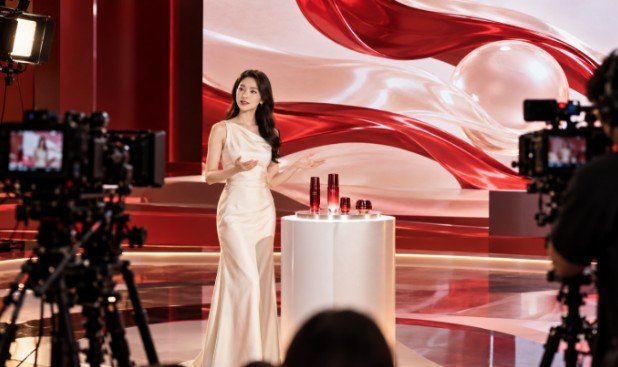
I find beauty launches most interesting when they give people a reason to stay beyond the product reveal. Shiseido’s Cloud Product Launch on Bilibili offers a useful example: a digital event that combined skincare information, entertainment, and audience interaction. Instead of treating viewers as passive recipients of advertising, the format created opportunities for participation.
The campaign belongs to the pandemic-era shift toward online events in 2020. Its lasting relevance lies in a practical question: how can a beauty brand make a product introduction worth watching? Understanding the format, platform choice, and reported results provides a clearer answer than headline engagement figures alone.
What Was the Cloud Product Launch?
“Cloud launch” described an event delivered online, allowing audiences to experience a product introduction remotely. It did not mean Shiseido was introducing cloud-computing technology.
Contemporary coverage describes a 105-minute Bilibili livestream featuring skincare education, new product information, and celebrity interaction. This combination gave the event several ways to maintain attention rather than relying entirely on a single reveal.
However, the historical timeline needs care. One account identifies April 27, while another describes an online launch in May 2020. Without original event records resolving that discrepancy, the safest description is a spring 2020 activation rather than an unquestioned single date.
Why Bilibili Was a Distinctive Choice
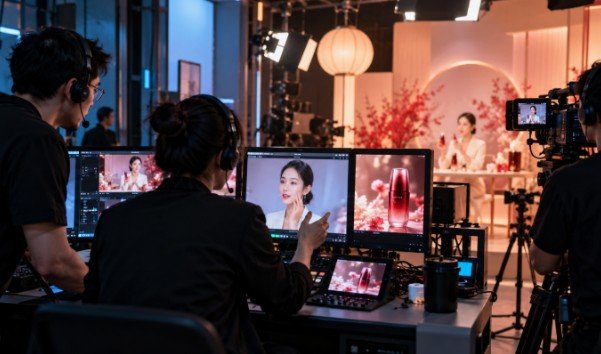
A platform decision shapes both who encounters a campaign and how they experience it. Bilibili offered a setting where beauty content could sit alongside entertainment and creator-led discussion.
For readers unfamiliar with its terminology, “UP creators” are the people publishing videos on the platform. Bullet comments, commonly called danmu, appear across video playback, adding a visible layer of audience reactions. These interactive features provide useful context for exploring beauty marketing campaigns such as dior’s futuristic moves.
These features help explain the strategic appeal. A launch can become a shared viewing experience rather than simply a presentation distributed through another channel. That does not automatically produce trust or purchases, but it creates opportunities to answer questions and observe what attracts attention.
The broader lesson is audience fit. Brands should understand how people use a platform before deciding what their campaign should look like.
How Education and Entertainment Worked Together
Beauty products often need explanation. Packaging can attract attention, but viewers may still want to understand texture, application, routine placement, and suitability.
The reported mix of skincare guidance and product information gave the livestream an educational purpose. Celebrity interaction added another reason to watch. Together, these elements broadened the event beyond a conventional sales presentation.
Education Creates Useful Context
A product introduction becomes more meaningful when it addresses an identifiable question. Explaining where an item belongs in a routine, for example, helps viewers connect the reveal with their existing habits.
For future campaigns, demonstrations should distinguish immediately visible qualities from benefits requiring longer use. Showing how a formula spreads is different from proving a lasting skincare outcome.
Entertainment Gives the Event Momentum
A familiar personality can introduce energy and encourage conversation. However, celebrity attention works best when it supports the product story.
A useful guest contribution might involve asking understandable questions or discussing an application step. The principle is simple: entertainment should help viewers follow the event while leaving them with something useful to remember.
What the Reported Results Actually Show

The available figures suggest substantial attention, but they require precise language.
One contemporary report states that the livestream exceeded one million viewers after 18 minutes. Later coverage describes 1.34 million engagements, while another article reports almost 200,000 bullet comments. These are published claims rather than independently verified campaign measurements.
Viewers, engagements, and comments measure different activities. Engagement totals may include repeated actions, and comment volume does not establish how many individual people participated.
For that reason, Shiseido’s Cloud Product Launch on Bilibili is best examined as an example of audience attention and participation. The reviewed coverage does not establish attributable sales, conversion rates, campaign profitability, or repeat purchasing.
That distinction strengthens the analysis. A successful launch can meet an awareness objective while still requiring separate evidence of commercial impact.
Lessons for Beauty Brands Planning Digital Launches
The most transferable lesson is to design around viewer needs.
Before production begins, identify the questions the event must answer. What does the product do? How is it used? What should viewers realistically expect? Those answers should guide demonstrations and discussion.
Creators also need room to communicate naturally. Earlier Bilibili marketing coverage emphasizes respecting their established style and relationship with followers. Heavy scripting can weaken the qualities that made a creator relevant in the first place.
After the event, brands can turn useful segments into shorter explanations, application videos, and answers to recurring questions. This is a recommended follow-up approach, rather than a verified detail of this particular campaign.
Measurement should follow the original objective. Awareness campaigns need reach and attention measures; educational campaigns need evidence of understanding; sales campaigns need attributable transactions and costs.
Frequently Asked Questions
1. What made Shiseido’s Cloud Product Launch on Bilibili distinctive?
It combined a remote product introduction with skincare education and celebrity interaction within a community-oriented video environment. The format offered several reasons to watch beyond discovering the product itself.
2. Was the launch a cloud technology announcement?
No. “Cloud” referred to delivering the launch online. The campaign concerned beauty products and a digital event experience, rather than a computing service.
3. Did the campaign prove that engagement increases sales?
The reviewed reporting does not establish that relationship. Its figures concern audience activity. Demonstrating sales impact would require transaction data, attribution methods, and campaign costs.
4. Can smaller beauty brands apply these lessons?
Yes. They can prioritize clear demonstrations, relevant creators, and useful questions without reproducing a celebrity production. The appropriate scale depends on the audience, objective, and available resources.
My Final Takeaway
I see this campaign as a reminder that an online launch needs more than polished visuals. People need understandable information, engaging delivery, and a reason to participate.
The reported attention makes the event interesting; the measurement limitations make careful interpretation essential. For me, its strongest lesson is to build a useful viewing experience and define success before the broadcast begins.
Meta title: Shiseido’s Cloud Product Launch on Bilibili: The Impact
Meta description: Shiseido’s Cloud Product Launch on Bilibili reveals how beauty meets entertainment. Explore the strategy, reported results, and lessons brands can use now.