I find luxury marketing most interesting when technology gives people a fresh reason to engage with a familiar brand. Diors Futuristic Moves offer an instructive example: in China, the fashion house explored both imaginative digital storytelling and practical beauty personalization. One initiative transported viewers between physical cities and illustrated worlds; another helped customers explore skincare recommendations through a smartphone.
These experiments emerged in 2020, with a further beauty collaboration announced in 2021. Understanding that timeline matters. They reveal how Dior approached digital engagement during a particular period, rather than proving that every tool remains available today.
Two Different Routes to Digital Relevance
Dior’s initiatives addressed different parts of the customer experience. Its collaboration with creator Xuefei Nova explored identity, fashion, and cultural expression. Its partnership with Meitu focused on helping people understand product choices.
The strategic connection is straightforward: compelling entertainment can encourage discovery, while useful services can support consideration. However, the reviewed reporting does not establish that these separate initiatives formed a single coordinated campaign.
Their value as a case study comes from examining both approaches together without confusing creative ambition with demonstrated commercial results.
Xuefei Nova and the Journey Between Worlds
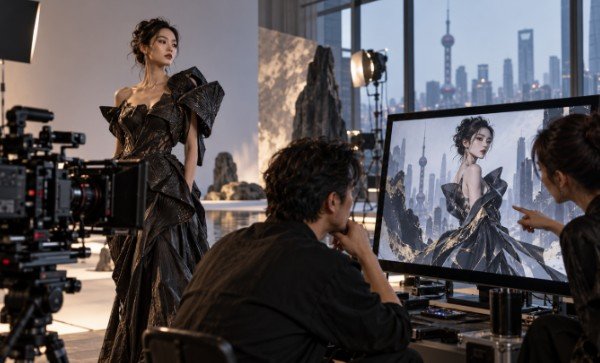
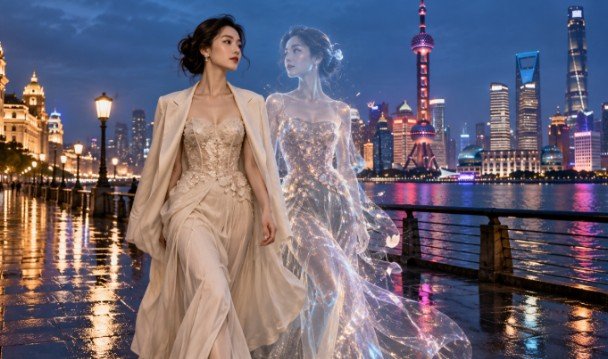
In May 2020, Dior’s collaboration with Xuefei Nova brought together live action, illustration, fashion, and a futuristic urban atmosphere. The film moved through recognizable settings in Paris and Shanghai, placing Dior within a visual conversation between different cities and creative traditions.
A Human Creator With a Virtual Counterpart
An important distinction often disappears in short summaries: Xuefei Nova was a real creator whose likeness appeared alongside a virtual representation. Describing the project simply as an advertisement starring an entirely artificial influencer misses its central creative device.
The interest came from movement between identities. Clothing, surroundings, and visual treatment helped communicate transformation, giving the fashion presentation a narrative beyond displaying individual products.
Cultural Details Gave the Film Meaning
The campaign incorporated Chinese visual references, including elements associated with Peking opera, within its animated styling. Those details connected its futuristic appearance with cultural expression.
This matters because a brand cannot assume that neon lighting and digital characters automatically establish relevance with anime, comics, and gaming audiences. Creative partnerships work best when the collaborator’s perspective shapes the content.
Why Spectacle Needs More Than Novelty
The contemporary response was not uniformly enthusiastic. One assessment questioned the film’s production quality and limited attention, while another explored its creative construction and cultural possibilities. These interpretations illustrate how the same campaign can generate different readings.
Neither interpretation supplies reliable evidence of campaign profitability. A visually ambitious film might strengthen recognition, encourage conversation, or attract a particular community, but each outcome requires appropriate measurement.
For brands, the practical lesson is to define success before production. Completion rates, meaningful comments, relevant audience reach, and subsequent product exploration answer different questions. High viewing figures alone cannot explain whether viewers understood the message or developed stronger interest.
Dior Skin ID Made Technology Useful
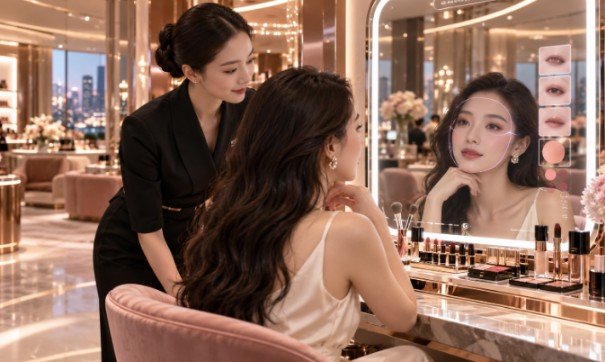
The beauty initiative approached engagement through a more immediate customer need. In 2020, Dior and Meitu introduced an AI skin-analysis experience that used facial images to support personalized skincare recommendations.
Meitu confirmed that users in China could analyze their skin through a selfie and receive recommendations for Dior products. This establishes the partnership and its intended function, without independently proving every promotional claim about analytical accuracy.
A Clearer Path From Curiosity to Products
The experience offered a simple sequence: provide an image, receive an assessment, and explore suggested products. That structure could make a large skincare range easier to navigate.
Instead of requiring customers to begin with ingredient knowledge or familiarity with every collection, the interface started with their own concerns.
For an unfamiliar shopper, reducing uncertainty can be more useful than adding another promotional message.
Personalization Requires Careful Interpretation
Image-based recommendations should remain clearly distinguished from medical diagnosis. As brands follow as Bilibili diversifies, they should communicate these tools’ limitations clearly: lighting, camera quality, and image conditions can influence what a photograph captures.
The strongest customer experience explains what the tool evaluates, how images are handled, and what recommendations mean. Confidence depends on clarity as much as convenience.
Viewed together, Diors Futuristic Moves suggest that digital innovation becomes more persuasive when it offers either meaningful expression or practical assistance.
The Partnership Expanded in 2021
In September 2021, Meitu announced another Dior collaboration involving virtual makeup trials, personalized looks, and guided application tutorials. Customers could preview effects and access purchasing options through the experience.
This development added a different form of assistance. Skincare recommendations addressed product selection; makeup previews helped users imagine an appearance before purchasing.
The distinction is useful. Digital beauty services can solve several separate problems, and each feature should have a clear purpose. A preview, tutorial, and recommendation system should not be treated as interchangeable simply because they use advanced technology.
Frequently Asked Questions
1. What does Diors Futuristic Moves refer to?
The phrase describes Dior’s experiments with digital engagement in China, particularly its 2020 Xuefei Nova film and Meitu skin-analysis partnership. A subsequent 2021 collaboration expanded into virtual makeup services.
2. Was Xuefei Nova completely computer-generated?
No. The campaign involved a real creator and a virtual counterpart, using their interaction to connect physical settings with illustrated storytelling.
3. Did these campaigns prove that technology increased sales?
The reviewed material explains campaign concepts and announced features, but does not establish attributable sales growth, profitability, or return on investment.
4. Can customers still use the original tools?
The historical announcements do not confirm present availability. Customers should check current official channels before expecting to access a particular service.
What I Take From Dior’s Experiments
I see the strongest lesson in the relationship between imagination and usefulness. Dior explored how a luxury identity could travel through unfamiliar creative formats while also offering customers more personalized assistance.
For me, the lasting question is whether technology makes the experience more meaningful. A film needs a compelling creative reason to exist. A beauty tool needs a clear customer benefit. When brands evaluate those purposes separately, they can make better decisions about where digital investment deserves to go.