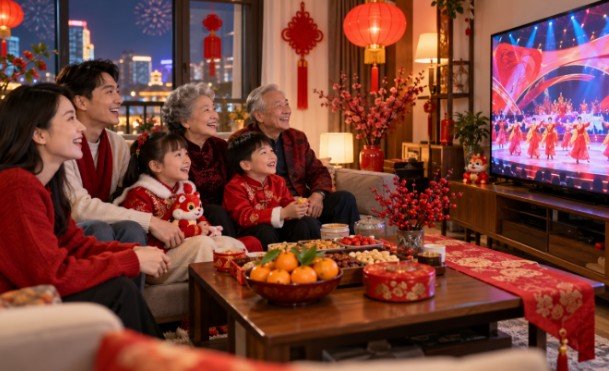
I find China’s Spring Festival galas fascinating because they bring entertainment, family traditions, and commercial ambition into one shared occasion. Behind the performances lies a marketing opportunity: turning viewers’ attention into product discovery, app activity, and purchases.
The phrase brand cash in on china’s spring festival galas captures that opportunity, although appearing on screen does not automatically produce profitable sales. The strongest campaigns connect cultural relevance with a clear reason to participate. Understanding that connection explains why brands compete for these festive moments—and why some investments deliver more lasting value than others.
Why Spring Festival Galas Attract Brand Investment
Spring Festival programming reaches people during a celebration built around reunion, generosity, and fresh beginnings. Those themes give marketers useful creative territory, especially when their products fit gifting, entertaining, personal care, or household renewal.
The national gala also creates a shared viewing occasion across generations. For brands, that means an opportunity to introduce products within a broader family conversation.
However, reach alone is an incomplete strategy. A memorable appearance needs a meaningful connection to the audience’s holiday experience. An advertisement that respects the celebration has a stronger creative foundation than one that simply adds festive colors.
How Digital Red Envelopes Turn Viewing Into Participation

Digital red envelopes connect a familiar gifting tradition with an immediate action on a phone. Instead of watching passively, viewers can enter an activity, claim a reward, or explore an offer.
Douyin’s 2021 gala partnership included a planned 1.2 billion yuan digital red-envelope giveaway. That historical example illustrates how entertainment sponsorship can support competition for platform attention and participation.
Rewards Need a Clear Next Step
For a participating brand, the reward should lead somewhere useful. A coupon might introduce a relevant product collection, while a gift draw could encourage visitors to explore a storefront.
Complicated instructions weaken that journey. Viewers should understand what they can receive, how participation works, and when an offer expires.
The commercial challenge begins after the reward: giving people a reason to return without another subsidy. The new frontier in content commerce platform driven TV gala shows depends on engaging entertainment, relevant products, and a shopping experience that keeps viewers coming back.
What JD’s Gala Campaign Demonstrates
JD’s 2022 partnership combined virtual red envelopes, physical gifts, coupons, and interactive activities. Its announced campaign ran from January 24 through the Lantern Festival on February 15, extending participation beyond the broadcast itself.
After the event, JD reported 69.1 billion interactions and 1.5 billion yuan in distributed virtual red envelopes and gifts. These were interaction counts, not unique viewers, customers, or purchases—a distinction that matters when evaluating results.
My interpretation is that the campaign illustrates a broader principle: a gala can provide the attention peak, while surrounding activities create additional opportunities for product discovery and customer engagement.
How Celebrity Appearances Can Support Product Discovery
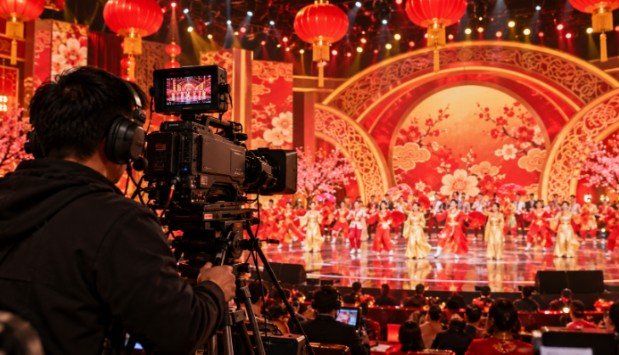
Celebrity performances offer a creative route into festive marketing. Clothing, accessories, beauty looks, and stage styling can inspire curiosity about the products associated with a performer.
Brands should prepare for that curiosity with accurate product information, recognizable imagery, and accessible shopping pages. Any claimed relationship with a celebrity must reflect the actual agreement.
Popularity also needs context. A performer’s audience may differ from the brand’s intended customers. Choosing a partnership should involve audience fit, creative relevance, and commercial objectives alongside follower counts.
A recognizable face can attract attention; the product still needs to justify consideration.
Turning Gala Attention Into a Better Shopping Journey
The commercial logic behind brand cash in on chinas spring festival galas becomes clearer when the customer journey is considered as a sequence: notice, investigate, evaluate, and purchase.
Before the Broadcast
Prepare mobile product pages, campaign inventory, customer support, and clear offer terms. Align promotional imagery with the products customers can actually buy.
During the Broadcast
Keep the action simple. A relevant landing page or clearly explained reward helps viewers move from entertainment to discovery without unnecessary confusion.
After the Broadcast
Answer common questions, maintain delivery communication, and give interested visitors useful follow-up content. Review whether customers bought because they valued the product or mainly wanted the incentive.
These steps are practical planning recommendations, rather than a guarantee of campaign success.
Cultural Relevance Makes the Message Stronger
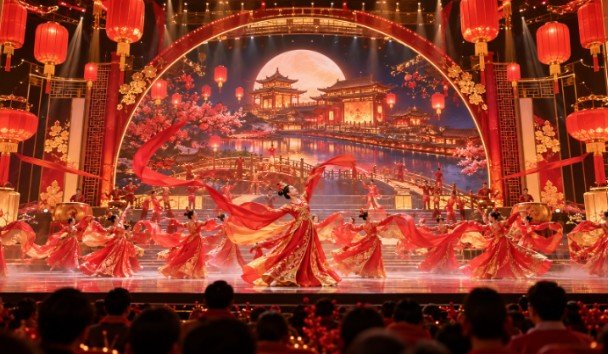
Spring Festival creative should connect with the meaning of the occasion. Reunion, gratitude, good wishes, and renewal can provide stronger storytelling foundations than decorative symbolism alone.
Consider how the product belongs in the celebration. A household item could support preparing for guests; a gift collection could emphasize thoughtful selection and presentation.
Language and imagery deserve careful review by people familiar with the intended audience. Forced symbolism or awkward wording can distract from an otherwise useful offer.
The goal is a recognizable, respectful connection between the celebration and the customer’s needs.
Measure Commercial Value Beyond the Biggest Numbers
Large viewing and interaction figures can look impressive, but they answer different questions from revenue or profitability.
A useful evaluation separates exposure, participation, purchases, and repeat behavior. Brands should examine acquisition costs, coupon redemption, returns, contribution margin, and customer retention.
Where possible, compare campaign results with a relevant baseline. Existing customers may have purchased anyway, while heavy discounts can increase orders without improving profit.
The central question is whether the campaign created additional, sustainable value after sponsorship, production, rewards, and fulfillment costs.
Frequently Asked Questions
1. What Does “Brand Cash In On Chinas Spring Festival Galas” Mean?
The phrase brand cash in on chinas spring festival galas describes businesses using festive entertainment to attract attention, encourage participation, and create sales opportunities through sponsorships, rewards, or related campaigns.
2. Do Digital Red Envelopes Guarantee Sales?
No. They encourage participation, but purchases depend on product relevance, pricing, trust, and the shopping experience.
3. Can Smaller Brands Participate Without Major Sponsorships?
They can develop related seasonal content or platform promotions within their budgets. Participation should not imply an official gala partnership unless one exists.
4. Should Brands Focus Only on Broadcast Night?
No. Preparation and follow-up help connect a brief attention peak with a longer customer journey.
My Final Take
I see the strongest opportunity in connecting festive attention with a useful customer experience. Entertainment opens the door; relevant products, clear offers, and reliable service help sustain interest. I would judge success by the customer relationships and commercial value that remain after the celebration ends.