Your teeth are remarkably strong, designed to withstand a lifetime of biting, chewing, and speaking. However, despite their impressive natural durability, daily wear and tear, acidic foods, improper cleaning techniques, and unconscious grinding habits can gradually erode tooth enamel and cause structural damage.
Protecting your smile requires a proactive approach centered on mindful daily care routines. By adopting simple, protective habits and avoiding common oral hazards, you can shield your enamel, prevent painful fractures, and maintain a vibrant, healthy smile for years to come.
Master Proper Brushing Techniques and Timing
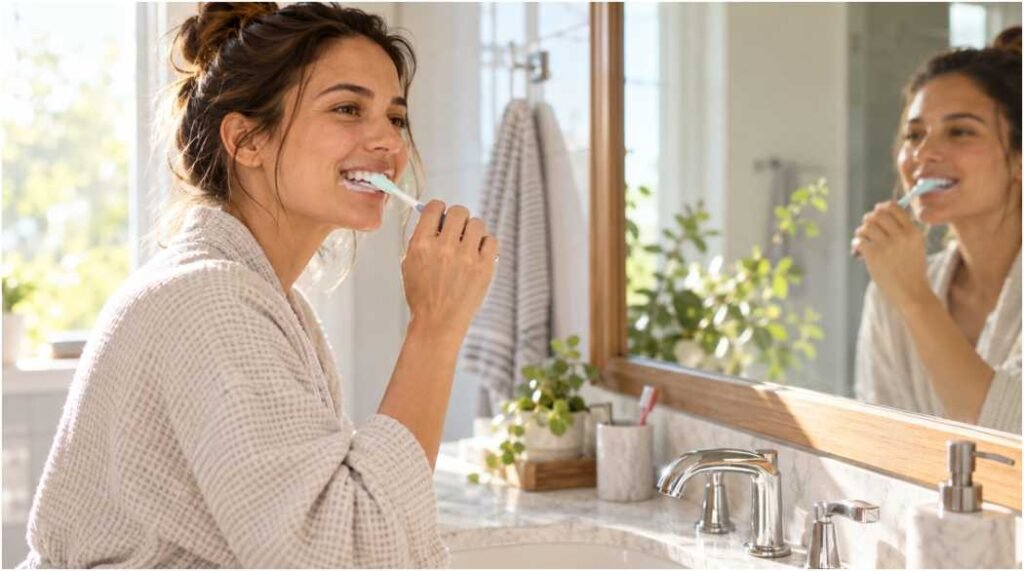
Brushing your teeth twice daily is the cornerstone of effective oral hygiene, but using incorrect techniques or improper timing can actually cause premature enamel wear and gum tissue recession. Brushing too vigorously with hard-bristled toothbrushes acts like sandpaper against delicate enamel, wearing down protective surface layers over time.
Always select a soft-bristled toothbrush and apply gentle, circular pressure at a forty-five-degree angle toward the gumline. Soft bristles effectively remove sticky bacterial plaque and food debris without scratching enamel surfaces or irritating sensitive gum tissues. Replacing your toothbrush every three to four months ensures bristles remain effective and free from frayed ends.
Additionally, pay close attention to brushing timing after meals. Waiting at least thirty minutes after consuming acidic foods or beverages—such as citrus fruits, soda, or coffee—allows your saliva to naturally neutralize mouth acids and remineralize enamel before brushing. Brushing immediately after acid exposure rubs softened enamel away, accelerating surface erosion.
Utilizing Soft Bristles and Gentle Circular Motions
Angling toothbrush bristles gently toward the gumline cleans deep within gingival margins without causing mechanical abrasion or tissue recession.
Gentle circular strokes sweep away plaque effectively, preserving surface enamel thickness across all tooth faces. Proper motion safeguards structural enamel integrity.
Waiting After Acidic Meals to Protect Softened Enamel
Saliva buffers dietary acids gradually, restoring safe pH levels and depositing essential calcium back into enamel matrices following meals.
Rinsing your mouth with plain water immediately after acidic snacks neutralizes surface acids quickly while you wait to brush. Water rinsing protects vulnerable enamel.
Hydrate Frequently and Limit Acidic and Sugary Beverages

What you drink throughout the day exerts a massive influence on the structural health of your teeth. Even as consumer trends and beverage marketing metrics show surging sales for flavored refreshments, sugary sodas, energy drinks, sweetened teas, and fruit juices fuel harmful mouth bacteria, which produce aggressive acids that dissolve essential minerals from tooth enamel.
Frequent sipping on acidic or sugary drinks subjects your teeth to continuous acid attacks, preventing saliva from restoring a neutral pH environment. Over time, constant acid exposure leads to widespread enamel demineralization, visible white spot lesions, and structural cavity formation.
Make fresh water your primary beverage choice throughout the day. Water washes away loose food particles, stimulates natural salivary flow, and contains zero harmful sugars or acids. Drinking water after meals helps cleanse tooth surfaces naturally, providing a protective defense against enamel decay.
The Critical Role of Saliva in Enamel Remineralization
Saliva acts as your mouth’s natural defense system, containing bicarbonate buffers that neutralize bacterial acids and repair microscopic enamel damage.
Chronic dry mouth deprives teeth of essential mineral bath protection, dramatically increasing susceptibility to rapid decay. Optimal hydration supports continuous salivary defense.
Minimizing Continuous Sipping on Sweetened Drinks
Drinking sugary beverages quickly through a straw reduces contact time between acidic liquids and tooth surfaces compared to slow, continuous sipping.
Limiting sweet drinks to meal times allows increased salivary flow during eating to wash away sugars efficiently. Smart sipping habits mitigate acid exposure.
Avoid Using Teeth as Tools and Eliminate Bad Oral Habits
Human teeth are engineered exclusively for chewing food and articulating speech; using them as convenient tools for opening packages, cracking nuts, or biting fingernails invites immediate structural damage. Using your teeth for non-chewing tasks applies extreme, unnatural leverage that easily chips enamel, cracks crowns, or fractures tooth roots.
Break common unconscious habits like chewing on wooden pencils, plastic pen caps, ice cubes, or metal paperclips. Biting down hard on ice or rigid office items creates microscopic stress fractures within enamel walls that gradually expand over time, eventually causing whole tooth cusps to break off unexpectedly.
Furthermore, if you participate in contact sports or wear orthodontic appliances, wearing proper protective mouthguards prevents traumatic dental impacts. Investing in specialized mouthguards for braces keeps brackets from lacerating soft cheek tissues while shielding teeth against sudden fractures during intense athletic activities.
Stopping Ice Chewing and Hard Object Biting Habits
Biting down repeatedly on hard ice cubes creates sudden thermal shocks and mechanical pressure that fracture brittle enamel structures.
Keeping sugar-free gum handy provides a safe oral outlet for chewing urges without risking severe tooth fractures. Safe chewing outlets protect natural teeth.
Protecting Orthodontic Appliances During Athletic Play
Custom-fitted athletic mouthguards absorb heavy impact forces, distributing pressure safely away from individual teeth and metal orthodontic brackets.
Wearing protective guards during sports prevents emergency dental injuries, torn lip tissues, and broken appliance wires. Athletic guards preserve smile safety.
Address Nighttime Teeth Grinding and Jaw Clenching
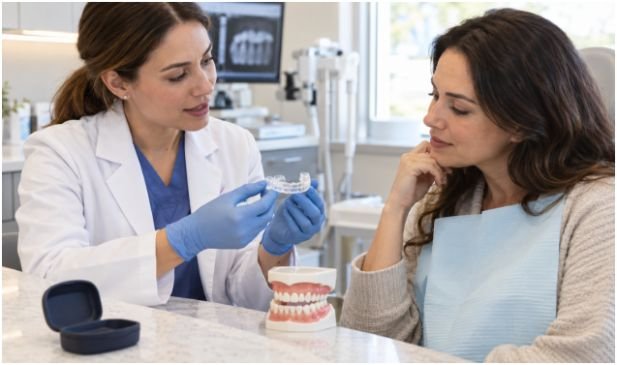
Unconscious teeth grinding and jaw clenching during sleep, known clinically as nocturnal bruxism, exerts tremendous physical pressure across tooth surfaces. Over time, the intense friction of bruxism wears down natural enamel contours, flattens chewing surfaces, chips dental restorations, and creates painful hairline enamel cracks.
Many individuals remain completely unaware that they grind their teeth until a dentist identifies flattened enamel surfaces, notched tooth necks, or chronic morning jaw soreness. Physical stress, anxiety, misaligned bites, and sleep apnea frequently trigger or worsen nocturnal grinding habits.
Wearing a custom-fitted nightguard crafted by your dentist creates a durable protective barrier between your upper and lower teeth during sleep. Nightguards cushion bite forces, prevent enamel-on-enamel friction, reduce jaw joint strain, and preserve your natural tooth structure from destructive wear. If ordering impression kits or custom guards through a digital clinic, review the shipping policy for an online store to ensure timely delivery and tracking of your custom dental appliances.
Recognizing Subtle Signs of Nocturnal Bruxism
Waking up with dull morning headaches, tight jaw muscles, or teeth that feel tender when biting indicates active nighttime grinding.
Identifying wear facets early allows your dentist to intervene before teeth lose significant crown height. Early recognition prevents severe structural loss.
Utilizing Custom Nightguards for Cushioning Defense
Custom nightguards redistribute heavy clenching forces evenly across the dental arch, protecting individual teeth from localized stress fractures.
Soft-hard laminated oral appliances offer comfortable, long-lasting protection against persistent nocturnal grinding forces. Nightguards safeguard structural longevity.
Incorporate Daily Flossing and Interdental Cleaning

While brushing cleans the outer, inner, and biting surfaces of your teeth effectively, toothbrush bristles cannot reach the tight spaces between adjacent teeth. Plaque bacteria thrive in these dark interdental zones, releasing acids that cause hidden cavities between teeth and triggering gum inflammation.
Flossing once daily is essential for removing trapped food particles and sticky plaque from interdental spaces and beneath the gumline. Cleaning interdental spaces prevents interproximal cavities and protects supporting periodontal bone structures from inflammatory breakdown.
If traditional string floss proves difficult to manipulate, utilize alternative interdental cleaning tools such as floss picks, interdental brushes, or water flossers. Consistently cleaning between your teeth every day completes your oral hygiene routine and shields hard-to-reach tooth surfaces from hidden decay.
Gently Navigating Interdental Spaces with String Floss
Curve string floss into a “C” shape against the side of each tooth, sliding gently beneath the gumline without snapping tissues roughly.
Flossing methodically between every tooth removes hidden plaque matrices that cause neighbor-tooth decay. C-shaped flossing maximizes interdental cleanliness.
Exploring Water Flossers and Interdental Brushes
Water flossers utilize pressurized water streams to flush away loose debris and bacteria from around dental bridges and wide tooth gaps smoothly.
Small interdental brushes clean concave tooth surfaces between back molars efficiently, ideal for individuals with larger interdental spaces. Alternative tools simplify interdental care.
Maintain Balanced Nutrition Rich in Enamel-Building Minerals
Your diet provides the essential building blocks necessary to maintain strong, dense tooth enamel throughout your life. Consuming a balanced diet rich in calcium, phosphorus, vitamin D, and antioxidant nutrients strengthens tooth enamel from within and supports healthy supporting bone structures.
Incorporate calcium-rich foods—such as milk, yogurt, fortified plant milks, cheese, and leafy green vegetables—into your daily meals. Calcium works alongside phosphorus found in eggs, fish, lean meats, and nuts to remineralize weakened enamel zones continuously.
Additionally, ensure adequate vitamin D intake through sun exposure or dietary sources, as vitamin D is required for your body to absorb and utilize calcium efficiently. Nutrient-dense foods nourish your teeth, support gum health, and maintain strong jawbone foundations that hold teeth securely in place.
Sourcing Essential Calcium and Phosphorus for Enamel
Dairy products deliver bioavailable calcium and casein proteins that coat tooth enamel, offering a protective barrier against acid erosion.
Phosphorus-rich foods collaborate with calcium to rebuild demineralized enamel crystals following daily acid exposures. Nutrient synergy rebuilds enamel strength.
Supporting Bone Density with Vitamin D and C
Vitamin D facilitates systemic calcium absorption, ensuring jawbone structures remain dense, strong, and capable of supporting tooth roots.
Vitamin C supports collagen synthesis within gum tissues, maintaining firm periodontal attachments that protect root bases. Vitamin support secures dental foundations.
Conclusion
Protecting your teeth from daily damage requires a harmonious combination of proper brushing habits, smart dietary choices, protective physical barriers, and consistent interdental care.
By mastering gentle brushing techniques, hydrating frequently with water, avoiding using teeth as tools, wearing protective mouthguards during sports or sleep, flossing daily, and nourishing your body with enamel-building minerals, you establish a resilient defense against tooth decay, cracks, and enamel wear.
Committing to these protective everyday habits safeguards your natural tooth structure, preserves your smile’s natural beauty, and ensures a lifetime of optimal oral health.