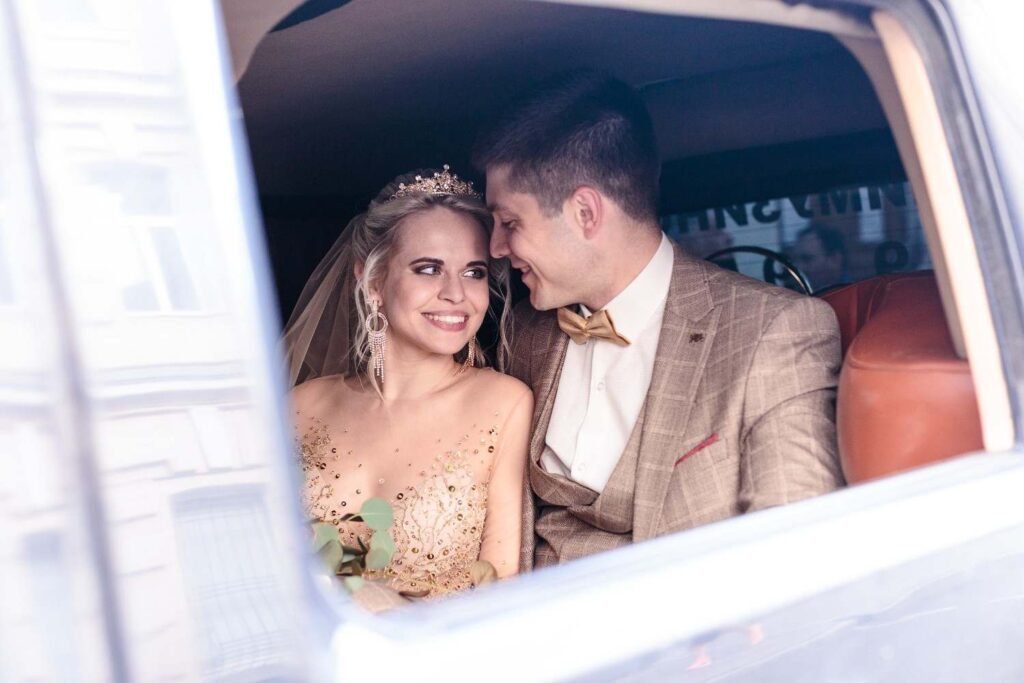
BMW took an unusual route with brand film, picking BMW’s marriage story, turning a Valentine’s Day campaign into a cinematic romance instead of a standard car commercial. “The Wedding” follows a modern relationship while allowing the BMW vehicle to become part of the couple’s memories, milestones, and emotional journey rather than dominating the screen.
That approach gave the campaign a different kind of appeal. Directed by Xin Shuang, known for The Bad Kids, the film combined romance, cultural timing, and subtle product placement to create something closer to branded entertainment. For US marketers, it is a useful example of how a global brand can build attention through storytelling without relying on an aggressive sales message.
What Is BMW’s “The Wedding” Brand Film About?
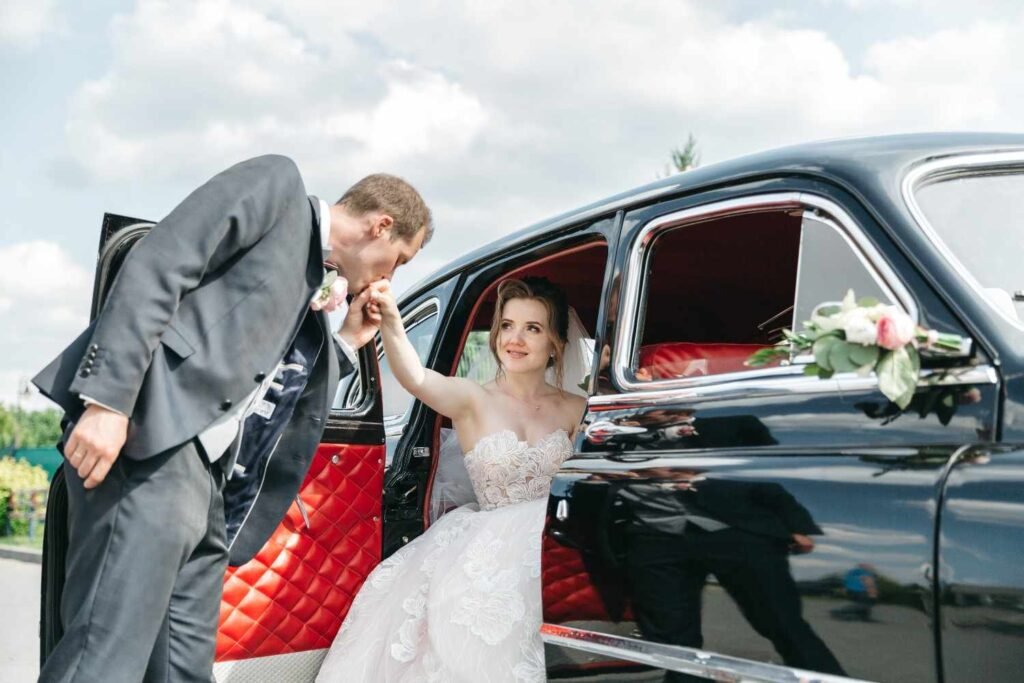
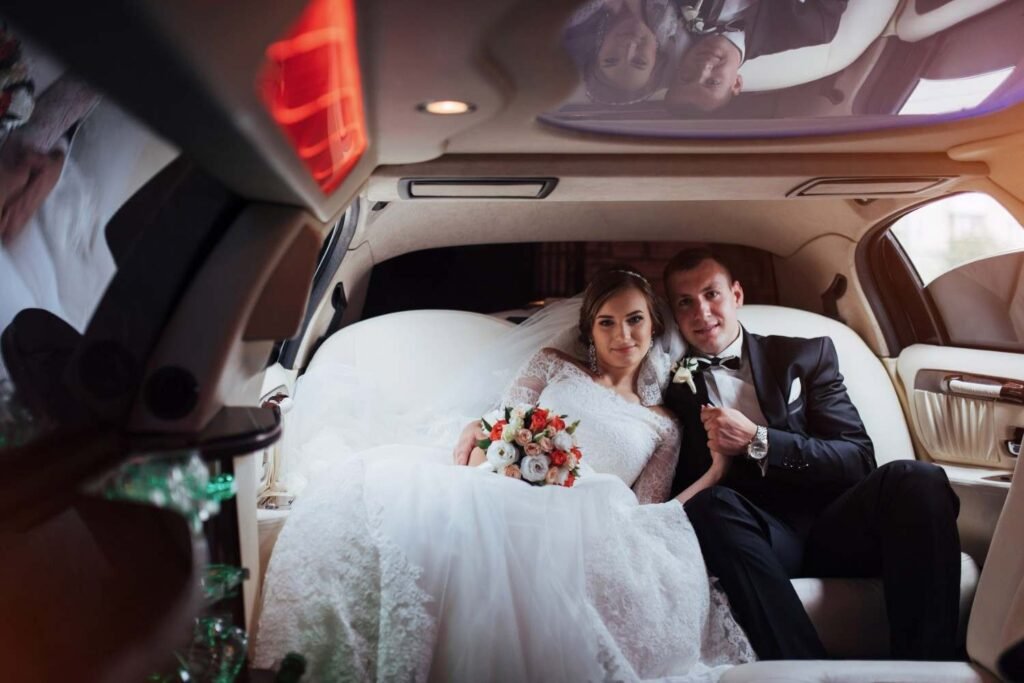
“The Wedding” tells a love story involving two people and a BMW across different moments in their lives. Weddings, shared journeys, missed opportunities, and reconnections allow the vehicle to become part of their memories rather than simply appearing as a product placement.
That difference is important. BMW does not repeatedly interrupt the story to explain horsepower, technology, or premium features. Instead, the relationship drives the film while the vehicle quietly remains connected to major emotional moments. This approach also shows how on-screen and off-brand endorsements can influence audience perception when a product is integrated into a story rather than presented through a traditional sales message.
For American viewers accustomed to highly polished car commercials, this makes the BMW China brand film feel closer to branded entertainment than a conventional automotive advertisement.
The campaign also introduced one of its smartest creative ideas: BMW = “Be My Wife.” Digitaling’s coverage confirms that BMW used this reinterpretation of its initials as part of the romantic concept behind the film.
Why Did BMW Shift From Lunar New Year to Valentine’s Day?
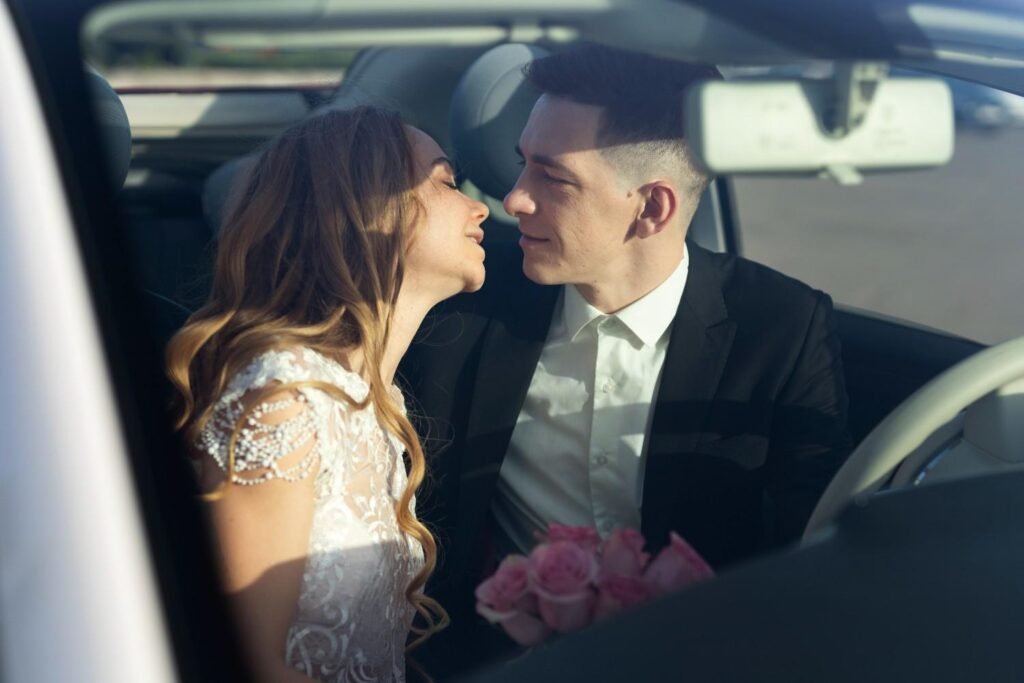
“The Wedding” becomes more interesting when I compare it with BMW’s previous major Chinese brand film, Bayer’s Spring Festival. Released the previous year and directed by Ning Hao, Bayer’s Spring Festival used nostalgia and a story tied to BMW’s Chinese identity and naming history during the 1990s. China Film Insider described it as one of BMW’s most-watched Lunar New Year brand films.
Instead of repeating that formula, BMW shifted its major 2021 production toward Valentine’s Day. The company kept the cinematic format but changed the emotional focus from nostalgia and Spring Festival memories to millennial romance, marriage, and relationships.
For US marketers, I think this is an important lesson. A successful seasonal content strategy does not have to remain unchanged. BMW retained what worked—cinematic storytelling—while refreshing the occasion, director, audience, and emotional message.
How Does BMW Turn a Car Into Part of a Love Story?
One reason brand film pick BMW’s marriage story stands out is the restraint of its product placement.
Digitaling describes “The Wedding” as a story involving two people and one car. Across the film, BMW becomes transportation, a wedding car, and a recurring connection between characters and different periods of their lives.
The vehicle therefore gains emotional meaning without requiring an aggressive sales pitch.
This approach has obvious relevance for US advertising. Consumers can identify forced product placements quickly. When the product genuinely contributes to the narrative, the relationship between audience and brand feels much more natural.
Why Does “BMW = Be My Wife” Work So Well?
“Be My Wife” gives the BMW Valentine’s Day campaign a simple idea that can survive outside the film.
It connects BMW’s initials directly with romance and marriage while supporting the wedding storyline. More importantly, it gives people something memorable enough to repeat in headlines, social conversations, and campaign discussions.
Strong brand storytelling often benefits from one simple concept that summarizes a much larger creative idea. BMW achieved that without turning the phrase into an obvious hard sell.
Who Directed BMW’s “The Wedding”?
Xin Shuang directed the film after gaining widespread attention for The Bad Kids, a major Chinese suspense series.
Choosing a recognized filmmaker helped BMW position the project more like entertainment than standard advertising. China Film Insider specifically highlighted Xin Shuang’s involvement when discussing BMW’s shift toward the Valentine’s Day production.
That strategy feels even more relevant in the United States today.
Brand films compete directly with YouTube, TikTok, Instagram, streaming shows, podcasts, and other entertainment. Strong filmmaking is therefore not merely a production decision. It can become an essential part of the marketing strategy.
How Successful Was BMW’s Valentine’s Day Campaign?
BMW did more than create an attractive short film. It gave the campaign meaningful digital distribution.
Digitaling reported approximately 62.62 million views for the video on BMW’s official Weibo account and around 450 million reads for the associated Weibo topic.
A Creative Planet case study also reported more than 450 million topic reads and detailed BMW’s use of Youku OTT distribution to expand the campaign beyond social media.
Those figures highlight a valuable lesson for American brands. Great creative alone does not guarantee attention. Distribution should be designed alongside the content itself.
For a US campaign today, that could mean coordinating YouTube, connected TV, TikTok, Instagram, streaming placements, earned media, and brand-owned platforms rather than relying on one launch channel.
What Can US Marketers Learn From BMW’s Marriage Story?
The biggest lesson for me is that emotional storytelling works better when the product has a believable reason to exist inside the story.
BMW never hides the vehicle, but it also avoids turning every scene into a showroom demonstration. The car becomes part of relationships, memories, weddings, and shared experiences.
The second lesson involves timing. BMW moved from Lunar New Year nostalgia to Valentine’s Day romance without abandoning its larger cinematic brand strategy.
The third lesson is integration. Director selection, emotional storytelling, cultural timing, product placement, social media, and OTT distribution all supported the same campaign idea.
That is much stronger than producing a beautiful video first and deciding how to market it afterward.
Why Does BMW’s “The Wedding” Still Matter?
I think “The Wedding” remains relevant because it demonstrates a principle that applies far beyond automotive marketing: audiences often remember what a brand made them feel more clearly than what the brand told them to buy.
Bayier’s Spring Festival relied on nostalgia and Chinese cultural memory. “The Wedding” moved toward relationships, missed opportunities, marriage, and Valentine’s Day. BMW changed the story without abandoning emotional filmmaking.
For anyone researching brand film, pick BMW’s marriage story; that is the central takeaway. The campaign worked because its filmmaking, cultural timing, romantic concept, product role, and distribution strategy reinforced one coherent emotional message.
Frequently Asked Questions (FAQs)
1. What is BMW’s Marriage Story called?
BMW’s “Marriage Story” brand film is titled The Wedding (婚礼). It was released around Valentine’s Day in 2021 and tells a modern millennial love story involving two people and a BMW.
2. Who directed BMW’s “The Wedding”?
Xin Shuang directed the film. He is widely known for directing the Chinese suspense series The Bad Kids.
3. What was BMW’s brand film before “The Wedding”?
BMW previously released Bayier’s Spring Festival (巴依尔的春节), directed by Ning Hao. The film used nostalgia and explored BMW’s history and identity in China.
4. What does BMW “Be My Wife” mean?
“Be My Wife” is a creative reinterpretation of the letters BMW. It connects the brand name directly with the marriage storyline and Valentine’s Day campaign.
Final Thoughts
When I compare “The Wedding” with ordinary automotive advertising, its greatest strength becomes clear: BMW gives viewers a reason to care about the people before asking them to care about the vehicle.
For US marketers, that approach is worth studying. A brand film does not need to hide the product, but the product should have a meaningful role in the story.
BMW combined a recognizable director, millennial romance, Valentine’s Day timing, the memorable “Be My Wife” concept, subtle vehicle integration, and extensive digital distribution. The result was more than a car commercial. It became an example of how cinematic brand storytelling can turn a product into part of an emotional experience.