Choosing the right camper can make your outdoor trips easier and more enjoyable. Toy haulers and regular campers both offer a place to sleep, prepare meals, and relax after a long day. However, they serve different needs. One focuses on carrying recreational equipment, while the other often provides more dedicated living space. Before buying, consider what you bring, where you travel, and how much comfort you expect at camp.
What Is a Toy Hauler?
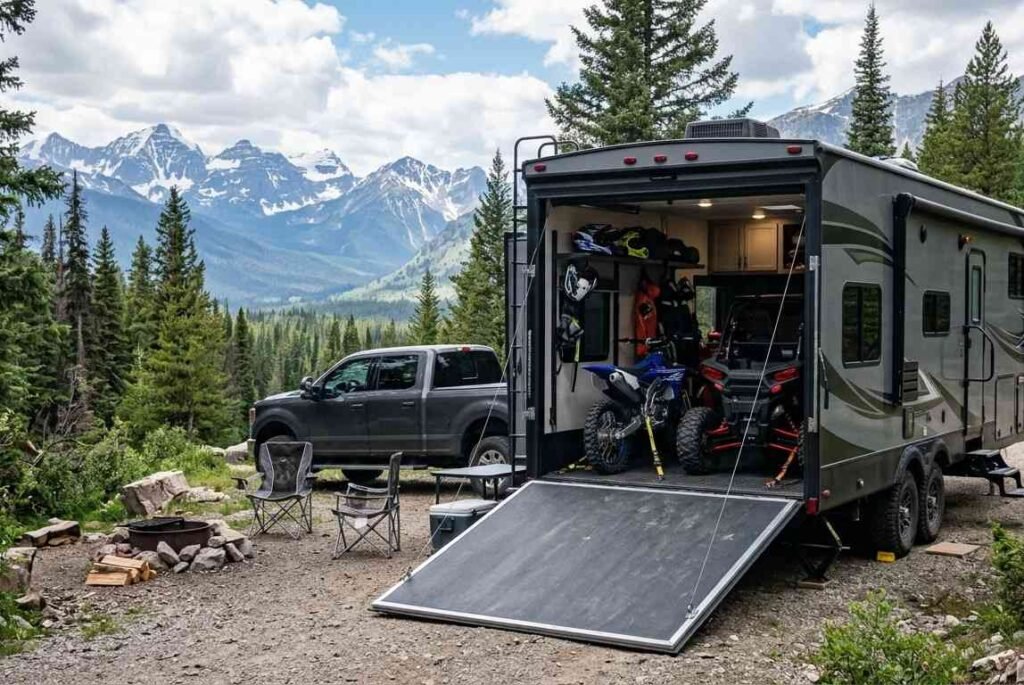
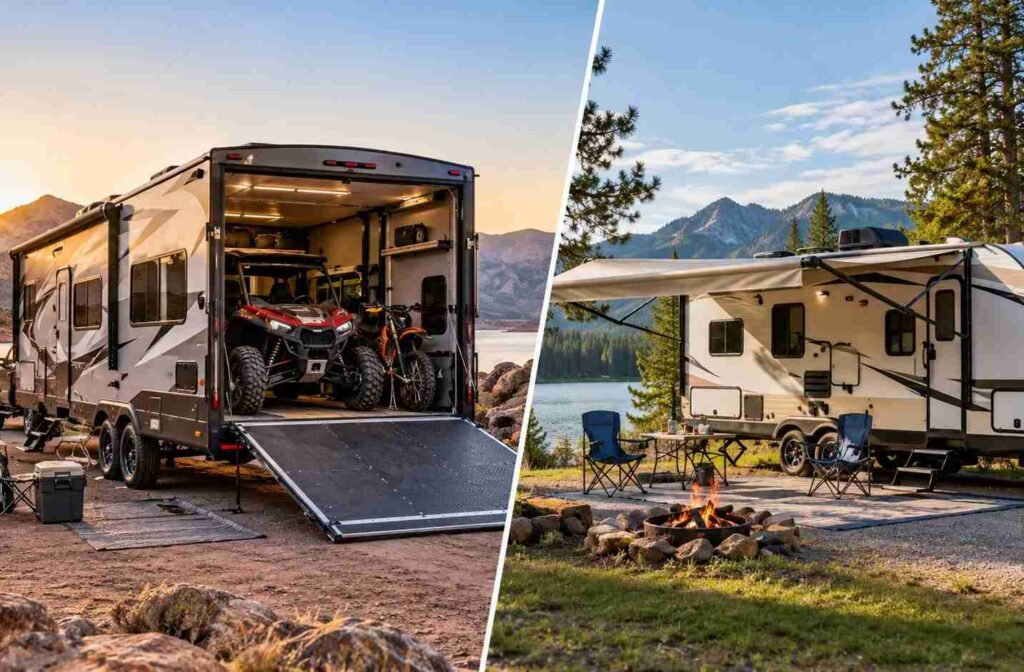
A toy hauler combines living quarters with a garage area for equipment such as ATVs, dirt bikes, and motorcycles. A rear ramp makes loading and unloading easier, and some models offer foldaway beds or seating in the garage. This flexible design works well for travelers who need both equipment storage and a comfortable place to stay. However, cargo takes up space that could otherwise be used for a larger kitchen, bedroom, or lounge.
What Is a Regular Camper?
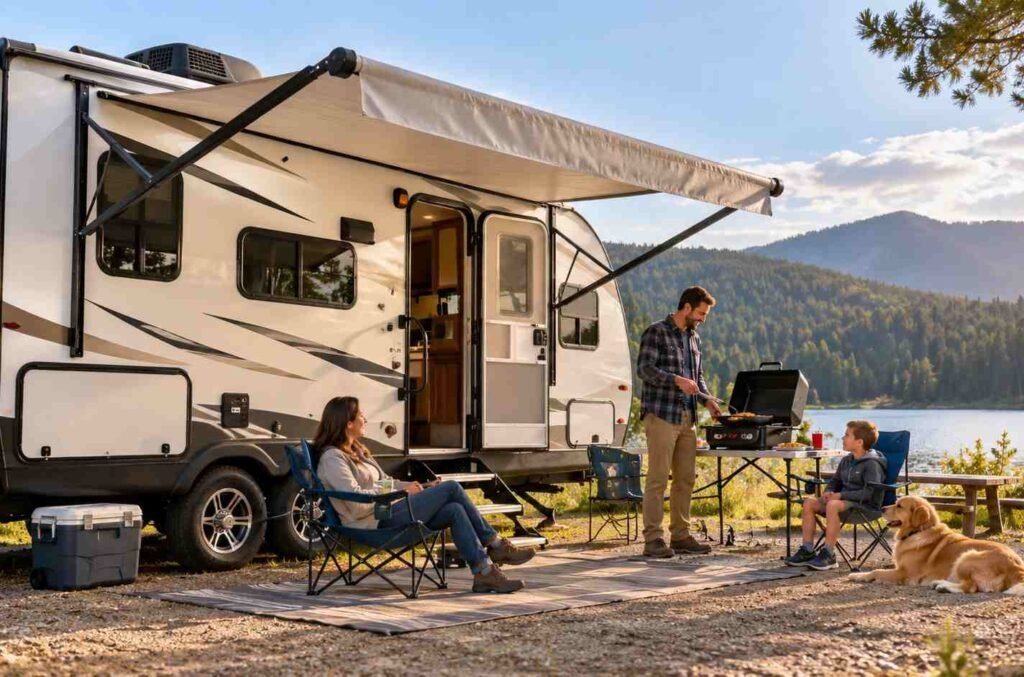
A regular camper, often called a travel trailer, puts everyday comfort first. Depending on the layout, it may include a fixed bed, dining area, kitchen, bathroom, and cabinets. Most do not have a garage for large recreational vehicles. That makes them a practical option for couples or families who enjoy hiking, fishing, sightseeing, or relaxing at established campsites. If you rarely transport bulky equipment, you may appreciate the extra room for daily activities.
Key Differences to Consider
Storage: Toy haulers are designed for larger items and ATV hauling, while regular campers usually have storage for clothing, groceries, and camping essentials.
Living space: A regular camper often offers a more traditional interior. A toy hauler may have convertible furniture that creates extra living space once the garage is empty.
Weight: Toy haulers can be heavier, especially when fully loaded. Check your vehicle’s towing capacity, payload limits, and the trailer’s loaded weight before choosing either option.
Cost: Prices vary based on size, materials, and features. Remember to budget for maintenance, insurance, storage, and fuel as well as the purchase price.
Before purchasing, compare the trailer’s garage dimensions with your equipment and allow enough room to secure every item safely.
Which Is Better for Rough Roads?
Outdoor adventures sometimes involve gravel roads, uneven surfaces, or remote campsites. If that sounds like your usual trip, an off-road capable toy hauler may fit your plans. When researching off road toy hauler options in Utah, compare ground clearance, suspension, tires, and protection for parts underneath the trailer. Utah has deserts, mountains, and recreation areas with very different road conditions. Not every toy hauler can safely travel on difficult trails, so check the manufacturer’s intended use and local road restrictions. Plan your route carefully, especially when towing a long or heavy trailer.
Which Is Better for Family Camping?
For families focused on comfort, a regular camper may be the simpler choice. Fixed sleeping areas, accessible cabinets, and a dedicated dining space can make busy mornings easier. Parents may also prefer having a living area that does not need rearranging after each trip. A toy hauler can still work well for an active family. Its garage can store bicycles, sports equipment, and muddy gear separately from the main living area. Some models convert that space into extra beds. Your family’s activities should guide the decision more than the trailer’s appearance.
Questions to Ask Before Buying
Think about how often you will carry large equipment and how many people will travel with you. Measure the gear you plan to load and check the trailer’s weight limits. Consider your usual campsite size, parking space at home, and access to water and electricity. If possible, walk through different floor plans and picture how you would use each area during a rainy day. A practical layout matters just as much as exciting features.
Conclusion
Choose a toy hauler if transporting recreational equipment is a major part of your adventures. Choose a regular camper if comfortable living space matters more than a dedicated garage. Understanding the common mistakes first time campers should avoid can also help you make a smarter decision before purchasing. Neither option is automatically better for everyone. The best trailer is one your vehicle can safely tow, your budget can support, and your travel plans can truly use.