
I find entertainment websites most useful when they help me decide what to watch, understand something I missed, or discover a story worth following. A dramatic headline might earn my first click, but useful coverage gives me a reason to return.
That distinction shapes how to build a content strategy for an entertainment website. Publishing frequently helps only when each article serves a clear audience need. A stronger approach connects focused coverage, original perspectives, reliable information, and a manageable publishing schedule.
Here is how to turn those priorities into a practical editorial plan.
Define Your Audience Before Choosing Topics
“Entertainment fans” is too broad to guide daily publishing decisions. Someone looking for family movie recommendations needs different coverage from a reader following prestige television or independent music.
Choose a specific audience and define its recurring questions. A streaming-focused publication might serve viewers who want weekend recommendations, spoiler-free reviews, and clear explanations of complicated finales.
For American readers, practical details include domestic streaming availability, theatrical release dates, subscription requirements, and premiere times with clearly labeled time zones.
Write a simple audience promise: “We help busy viewers find worthwhile shows and understand the stories behind them.” Use that promise to evaluate every proposed article.
Connect Editorial Goals to Business Results

Decide what success means before filling your calendar. Advertising-supported websites may prioritize sustainable readership and engaged sessions. Membership publications need repeat visits and subscriptions. Affiliate-supported sites should measure relevant outbound clicks and conversions alongside traffic.
Choose a small set of measurable goals based on your starting performance. For example, aim to increase newsletter subscriptions from recommendation articles over the next quarter.
Avoid judging every format by identical standards. Breaking news may attract immediate attention, while a carefully maintained viewing-order guide can remain useful much longer.
Research Questions and Identify Coverage Gaps
Keyword research should reveal what readers need, rather than simply produce a list of popular celebrity names. Compare searches such as “where to watch,” “ending explained,” “release schedule,” and “shows like.” Each signals a different task and requires a different article.
Study competing pages for missing context, outdated information, unclear answers, and weak original analysis. Read audience discussions to discover confusion that existing coverage leaves unresolved.
Prioritize ideas by relevance, demand, originality, production effort, and useful lifespan. A smaller question that your team can answer exceptionally well may deserve attention before a broad, highly competitive topic.
Organize Coverage Into Connected Content Pillars
Content pillars establish the subjects your publication covers consistently. A television website might focus on streaming recommendations, episode analysis, industry reporting, and interviews.
Within each pillar, build related articles around a central resource. A show hub could connect its premise, cast guide, release schedule, reviews, and episode explainers. Each page should serve a distinct purpose. Avoid creating several articles that answer essentially the same question.
Understanding how to build a content strategy for an entertainment website means planning these relationships before assigning isolated posts. Readers should find a useful next step through relevant links and clear navigation.
Balance Immediate Interest With Lasting Value

A durable editorial plan includes different content lifespans.
Publish Timely Coverage Selectively
Cover confirmed announcements and developments that matter to your audience, such as how virtual events can drive merchandise sales. Add context, original reporting, or informed analysis instead of repackaging another publication’s story.
Maintain Useful Evergreen Resources
Create genre introductions, franchise viewing orders, filmmaking explainers, and carefully selected recommendations. Review these resources when facts or availability change.
Support Ongoing Reader Interest
Reviews, interviews, and episode discussions connect immediate enthusiasm with deeper coverage. Apply consistent review criteria and distinguish personal interpretation from confirmed information.
There is no universal publishing ratio. Adjust the mix to your audience, resources, and performance.
Build a Calendar Your Team Can Maintain
Plan around premieres, finales, festivals, awards, and seasonal viewing habits. Leave capacity for unexpected developments.
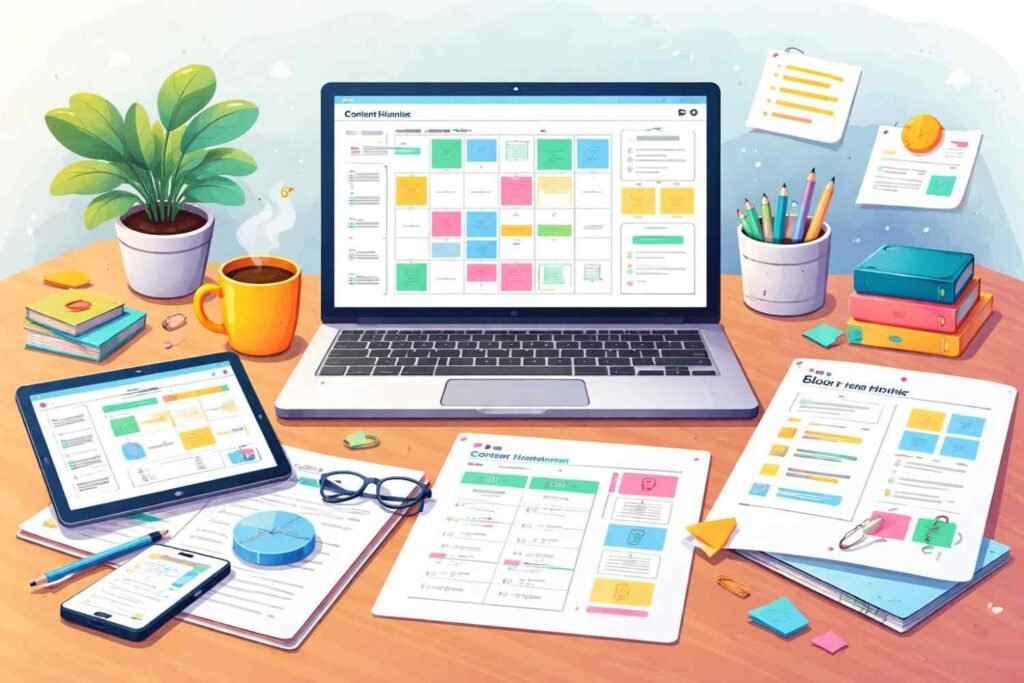
A four-week plan might begin with a franchise guide, continue with a spoiler-free review and episode analysis, and finish with an interview or retrospective.
For every assignment, record the reader question, format, writer, editor, deadline, distribution channel, and update trigger.
Estimate research and editing time honestly. A schedule that repeatedly forces rushed sourcing will undermine otherwise promising ideas.
Establish Editorial Standards and Search Foundations

Verify announcements through direct statements or reliable reporting. Label rumors, explain corrections, and place spoiler warnings before revealing important plot details.
Provide author biographies and explain review methods. Use images and clips only with an appropriate basis for doing so.
Give each article a descriptive title, one clear H1, logical H2 sections, and concise answers where appropriate. Write image descriptions for accessibility and link to genuinely related coverage.
Keep mobile pages readable, navigation straightforward, and important content accessible. Apply relevant structured data accurately, without assuming it guarantees special search appearances.
Distribute, Measure, and Refresh Your Coverage
Adapt distribution to each channel. An analytical article might become a short video discussion, while a recommendation guide could anchor a weekend newsletter.
Track search clicks, engagement, returning readers, subscriptions, and relevant revenue outcomes. Compare similar formats over suitable periods.
Assign responsibility for changing information. Update release schedules and availability guides when circumstances change, and consolidate overlapping pages when that improves usefulness.
Frequently Asked Questions
1. What is the first step in learning how to build a content strategy for an entertainment website?
Define a specific audience and the recurring problem your publication helps it solve.
2. How often should an entertainment website publish?
Choose a schedule your team can sustain while maintaining research, editing, and updates.
3. Should a new website prioritize news or evergreen articles?
Start with useful foundational resources and add timely coverage where you can contribute distinctive value.
Build a Publication Worth Returning To
I would approach how to build a content strategy for an entertainment website by choosing a focused audience, answering its questions thoroughly, and improving coverage consistently. Search visibility matters, but I would also watch whether readers return, subscribe, and trust the publication enough to recommend it.