
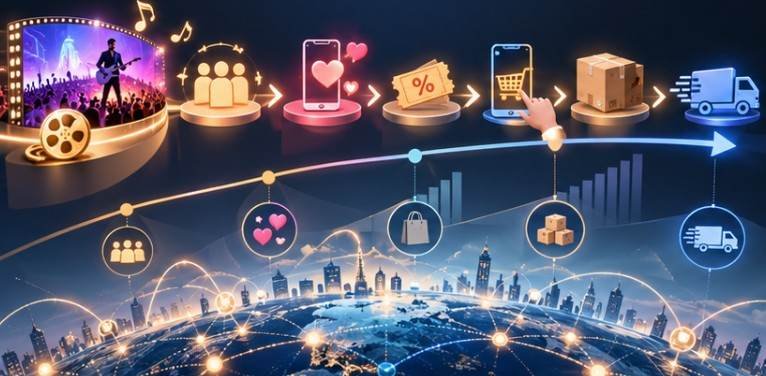
A pop concert, a countdown clock, a smartphone and a shopping cart may seem like four separate experiences. China’s Singles’ Day turned them into one transaction engine.
That is the idea behind e commerce platforms vie to boost singles day shopping with tv galas: transform what was once a discount event into entertainment that keeps millions of consumers watching, tapping, claiming coupons and buying products simultaneously.
Alibaba helped establish the model when it introduced its Singles’ Day countdown gala in 2015. By 2019, its fifth annual show included Taylor Swift and was broadcast across nearly 30 television and digital platforms. Alibaba reported $12 billion in gross merchandise value during the festival’s first hour that year.
But the more interesting story today is that the gala itself is no longer enough.
Why Singles’ Day Turned Shopping Into Entertainment
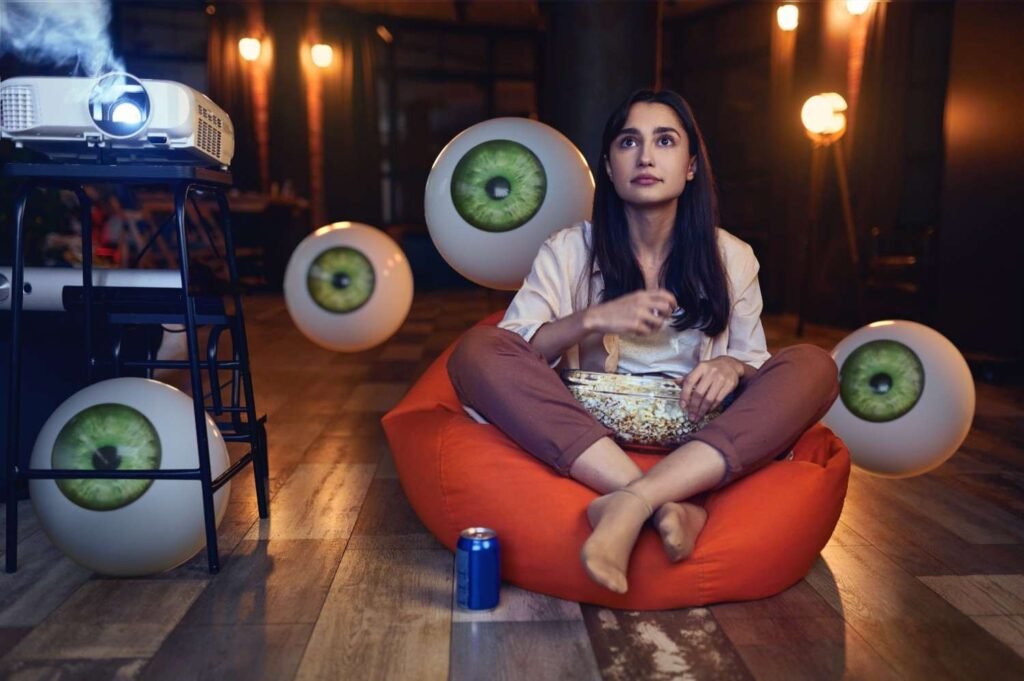
Traditional online retail asks shoppers to arrive with intent: search for a product, compare choices and check out. A Singles’ Day gala reverses that sequence.
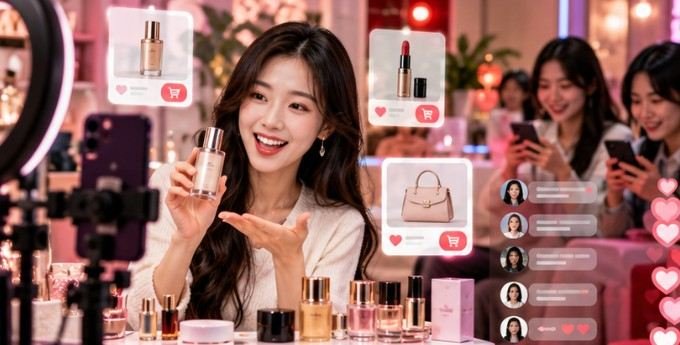
Entertainment attracts the audience first. Celebrities, performances, games and countdown moments hold attention. The platform then inserts commerce directly into that experience through QR codes, product links, livestreams, coupons and limited-time offers. That structure shortens the distance between discovery and purchase.
Research into Chinese livestream commerce helps explain why it works. A 2024 PLOS One study of 457 livestream-shopping users found that functional, social, emotional, conditional and self-gratification value were significant factors associated with purchase intention. Streamer popularity strengthened several of those relationships.
Another study published by Frontiers examined interactions during livestream commerce and found that product information, observing other shoppers and monetary incentives can influence social presence and purchasing behavior.
In other words, the gala is not simply television with advertisements inserted between songs. Entertainment, social proof and the transaction interface operate together.
The “See It, Want It, Buy It” Loop
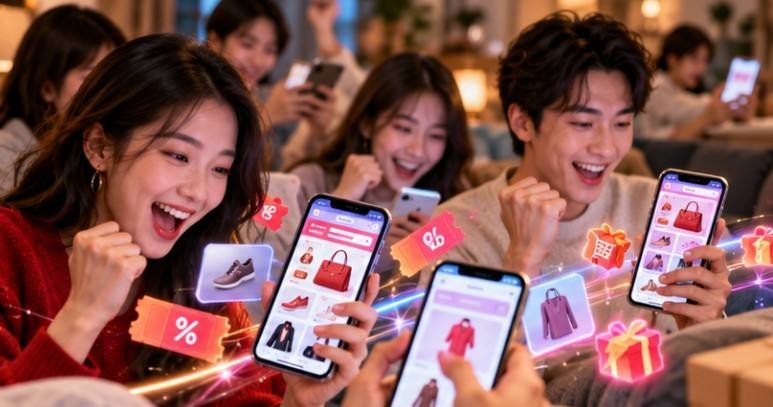
The most powerful design feature is immediacy. A viewer sees a performer, featured brand or limited offer. The same viewer already has a phone nearby. Instead of remembering the product and searching for it tomorrow, the platform encourages action before the moment disappears.
That creates a simple conversion loop:
- Capture attention with entertainment.
- Create interest through celebrities, demonstrations or social interaction.
- Add a timely incentive such as an instant discount or coupon.
- Reduce friction by keeping discovery, payment and fulfillment inside the platform.
This helps explain why Chinese commerce platforms moved far beyond conventional product pages. Reality programming, livestreaming and shoppable entertainment increasingly overlap, a development also visible in China’s integration of e-commerce with reality TV and entertainment.
For U.S. marketers, the key lesson is not “produce an expensive television show.” It is to remove the gap between entertainment and checkout.
Why American Retailers Should Pay Attention
The Chinese model developed in a market where mobile commerce became unusually integrated with entertainment, payments and social platforms. Yet the underlying consumer behavior is relevant in the United States.
Pew Research Center found that 76% of U.S. adults surveyed said they had purchased something online using a smartphone. Among social-media users ages 18 to 29, 54% said influencers affected what they purchased at least a little.
Meanwhile, U.S. e-commerce itself continues growing. The Census Bureau estimated that e-commerce accounted for 17.1% of total U.S. retail sales in the second quarter of 2026, with adjusted online sales reaching $340.2 billion.
So the infrastructure already exists. The challenge for U.S. retailers is connecting entertainment, discovery and checkout without making the experience feel forced.
Singles’ Day Is Becoming a Season, Not a Night
This is where the original television-gala playbook has changed most dramatically.
The festival began as a concentrated November 11 promotion. By 2025, major platforms were stretching Singles’ Day across roughly a month or more. Reuters reported that the 2025 season began as early as October 9 on some platforms, while estimated cross-platform sales reached 1.70 trillion yuan, up from 1.44 trillion yuan the previous year.
The evolution is continuing in 2026.
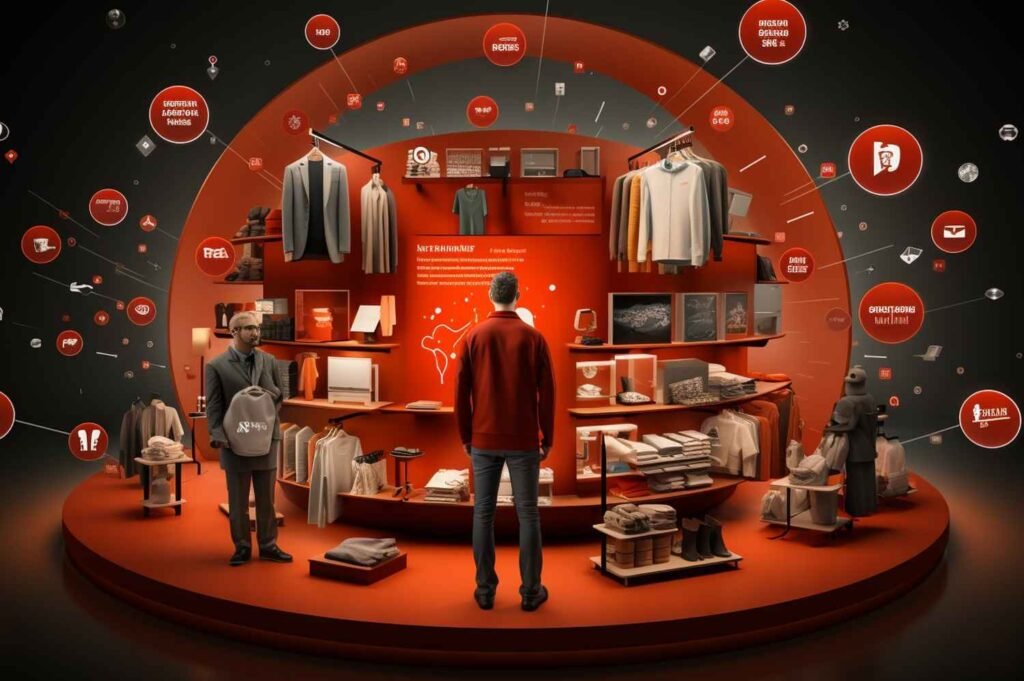
Tmall announced that more than one million global brands and over 70 million products were participating in its 2026 campaign, with presales beginning October 15 and formal sales on October 20. AI is playing a larger role in understanding customer demand and improving product discovery.
JD.com, meanwhile, began its campaign earlier in October and scheduled specialized promotional periods covering flash sales, services, livestreaming and AI-related offers.
So e commerce platforms vie to boost singles day shopping with tv galas, but the competitive battlefield has expanded. The real contest now covers weeks of personalized discovery, memberships, content, livestreaming, logistics and instant retail.
Simpler Discounts May Matter More Than Bigger Spectacles
One reason for the change is shopping fatigue.
Consumers exposed to constant promotions become harder to excite with another countdown. Complicated coupon stacking can also turn bargain hunting into work.
Recent Singles’ Day campaigns have therefore moved toward more straightforward discounts. The 2026 Taobao strategy, for example, reduced emphasis on complicated cross-store voucher thresholds in favor of clearer item-level discounts.
That matters because urgency can become counterproductive when consumers feel manipulated.
The U.S. Federal Trade Commission specifically warns about deceptive countdown timers, false limited-time claims and other “dark patterns” that interfere with informed consumer choices. A legitimate countdown tied to a real broadcast or promotion can create excitement. A timer that resets every time somebody refreshes the page destroys trust.
What the TV Gala Model Still Gets Right
It would be premature to declare the shopping gala obsolete.
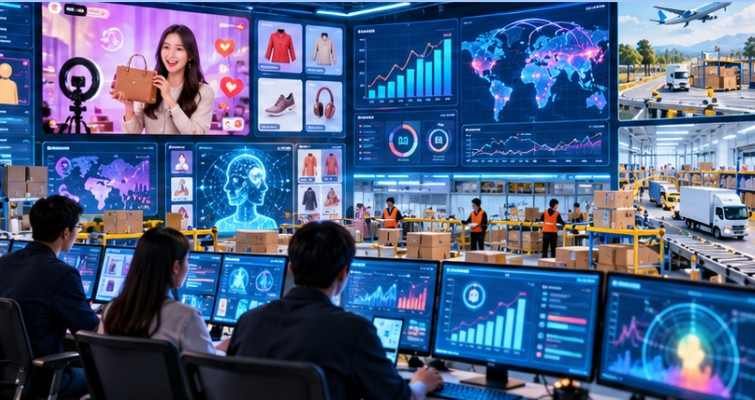
Large broadcasts can still concentrate attention, create cultural moments and give platforms something algorithms cannot easily manufacture: a feeling that millions of people are experiencing the same event simultaneously.
That collective experience explains why e commerce platforms vie to boost singles day shopping with tv galas even as AI recommendations and livestream commerce become more important.
The difference is that the gala has become one layer of a much bigger machine.
Frequently Asked Questions
1. Why do e-commerce companies use Singles’ Day TV galas?
Galas combine entertainment, celebrity attention, promotions and instant purchasing, helping platforms concentrate consumer interest around important sales periods.
2. Did Alibaba invent the Singles’ Day shopping gala?
Alibaba pioneered its major televised Singles’ Day countdown gala in 2015, several years after turning November 11 into a large online shopping festival.
3. Are TV galas still important for Singles’ Day?
Yes, but they now compete with livestreams, AI recommendations, loyalty programs, instant discounts and weeks-long promotional campaigns for consumer attention.
4. Could Singles’ Day-style shopping entertainment work in the US?
Elements already do. Livestream shopping, influencer commerce and shoppable video use similar principles, although U.S. platforms have not replicated China’s model at the same scale.
The Bigger Lesson for Retail
Singles’ Day’s most important innovation was never a celebrity performance or a giant sales ticker. It was the realization that shopping could compete for the same attention as entertainment.
The next phase is more disciplined. Consumers want value without solving coupon puzzles, personalization without losing trust and entertainment without feeling trapped inside an advertisement.
For retailers watching from the United States, that is the useful takeaway. Do not copy the spectacle simply because it looks impressive. Build a shorter, clearer path from genuine attention to confident purchasing. The companies that master that connection will have learned the real lesson behind China’s biggest shopping festival.