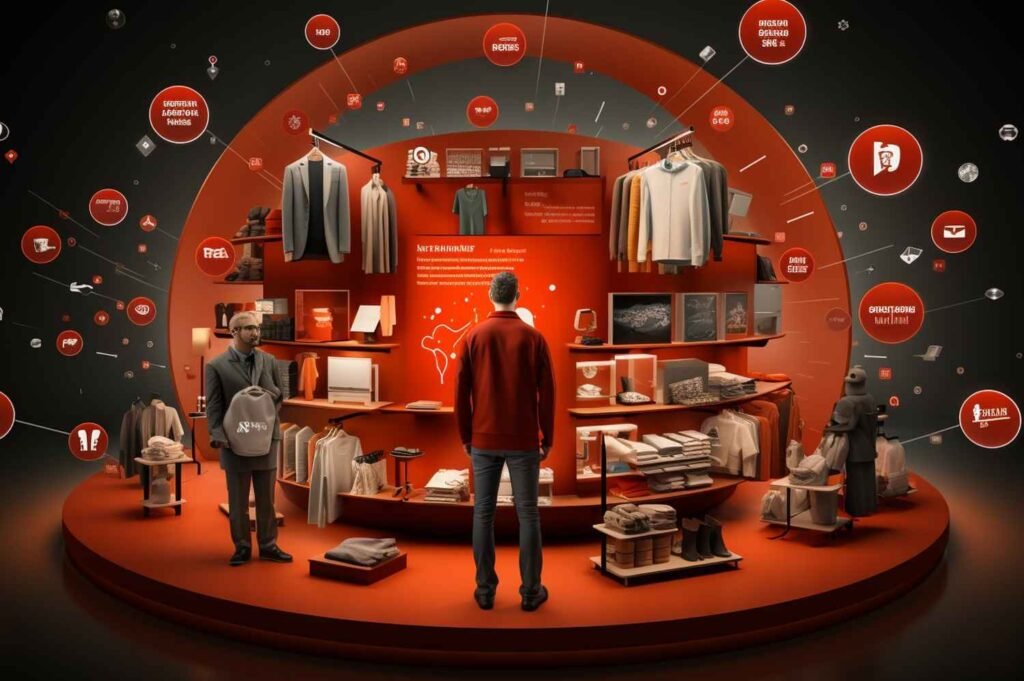
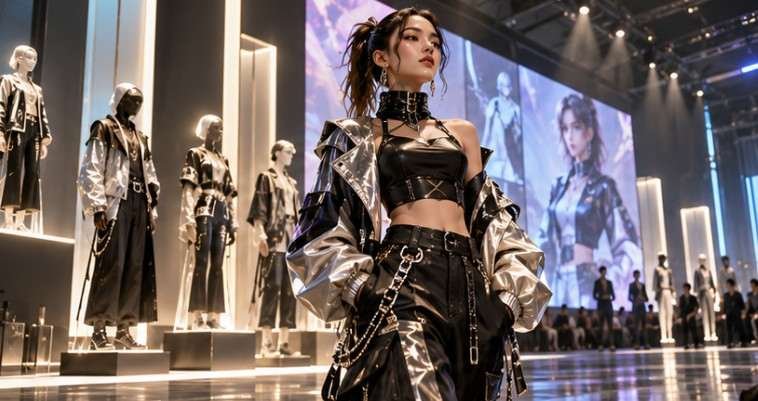
A luxury outfit no longer needs fabric, a fitting room, or even a human body to carry status. It can exist entirely as pixels on an avatar—and still influence what people want to wear, buy, and share offline.
That shift is at the heart of dissecting fashions love affair with gaming. Fashion houses once treated video games mainly as advertising territory. Now brands including Louis Vuitton, Gucci, Dior, and Balenciaga have designed skins, virtual clothing, immersive worlds, esports assets, and physical collections connected directly to games.
For American marketers, the attraction is easy to understand. The Entertainment Software Association reported that 67% of Americans ages 5–90 played video games for at least an hour per week in 2026, representing more than 212 million people. The average player was 37—not the teenage stereotype that still shapes some advertising decisions.
Gaming has become less like a media channel and more like another place where culture happens.
Why Fashion and Gaming Fit Together So Naturally
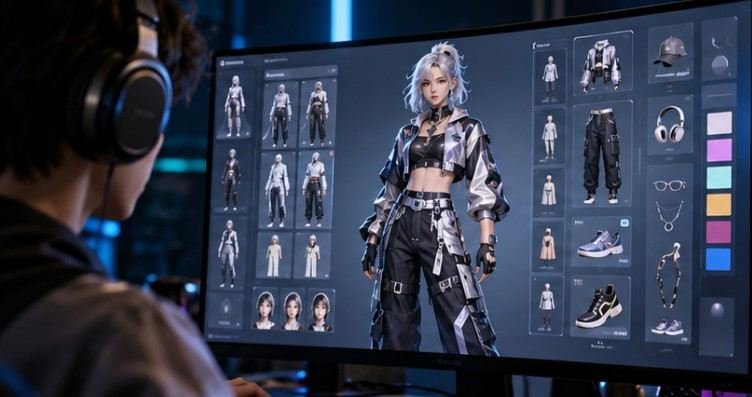
Fashion sells more than utility. A sneaker, handbag, jacket, or watch communicates taste, affiliation, aspiration, and sometimes economic status. Games increasingly perform the same identity function.
MIT research on avatar customization describes virtual identities as an important element of digital life and shows how customization choices can reveal meaningful patterns about players. Readers interested in the research behind virtual identity can explore MIT’s work on avatar customization and player identity.
That makes an avatar surprisingly similar to a physical wardrobe.
Players choose hairstyles, accessories, armor, sneakers, colors, vehicles, and character skins because those choices say something. A purely cosmetic item may provide no competitive advantage whatsoever, yet people can still value it because other players see it.
Research published through the University of Rhode Island has similarly examined how avatars can become environments for experimenting with ideal versions of the self. DigitalCommons@URI The underlying study on avatars and identity construction helps explain why clothing inside a game can carry emotional meaning despite being intangible. Fashion brands understand this instinct extremely well.
From Sponsorship Logos to Clothes Players Can Actually Wear
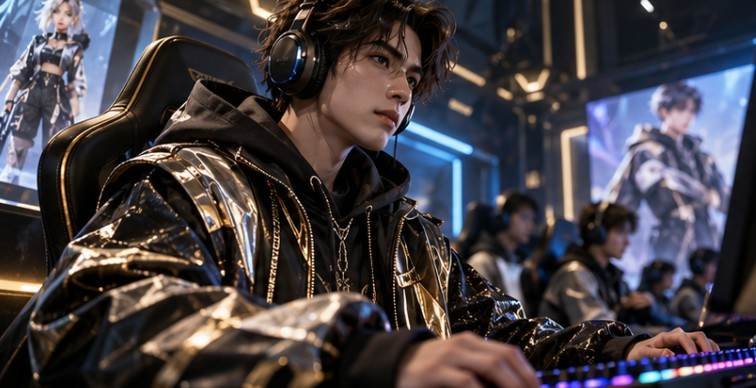
The earliest brand-game relationships often resembled conventional sports sponsorship: logos, tournament partnerships, team jerseys, or advertising around broadcasts. The more interesting collaborations put fashion inside the player’s experience.
Louis Vuitton’s 2019 partnership with Riot Games for the League of Legends World Championship included a custom case for the Summoner’s Cup, champion skins and plans for a physical capsule collection. It connected esports prestige, virtual character design and luxury merchandise instead of relying on a simple logo placement
Dior moved into Gran Turismo 7 with virtual racing equipment designed under Kim Jones, including a racing suit, gloves, footwear, helmet and a customized De Tomaso Mangusta.hange as they explored virtual rooms and offered limited-edition avatar items. In effect, the player became part visitor, part mannequin and part collector.
Balenciaga’s Fortnite collaboration went further into recognizable game culture, dressing established characters in digital looks while connecting the project with physical merchandise.
These projects demonstrate why gaming works better as an interactive fashion medium than as a digital billboard. Players do not merely see the product. They can inhabit it.
Dissecting Fashions Love Affair With Gaming Reveals Three Big Business Opportunities

Digital clothing creates a low-friction entry point
Most players will never purchase a runway-level luxury handbag. A branded virtual accessory, however, can let someone participate in the brand’s universe at a completely different price and commitment level.
That does not automatically create a future luxury customer. But it can establish familiarity years before traditional luxury advertising might reach that person.
Digital goods are now sufficiently established that the U.S. Patent and Trademark Office specifically addresses virtual products. Its current trademark guidance notes that virtual goods can include avatars and avatar accessories, while downloadable virtual clothing falls within digital classifications. Brands entering the space should understand the USPTO’s guidance on virtual goods and newer trademark technologies.
Games extend fashion storytelling
A magazine photograph provides a finished image. A game provides an environment.
Players can enter a branded location, move through it, customize themselves, collect an item and potentially experience it alongside friends. That turns marketing from something viewed into something performed.
The Smithsonian has long treated video games as culturally meaningful media rather than disposable children’s entertainment. Its collections describe games as a medium comparable in cultural importance with film, television and music. Its material on gaming as a cultural form provides useful context for why fashion increasingly treats games as cultural spaces.
Virtual products can test real-world demand
Gaming also gives designers a laboratory. A company can observe which silhouettes, accessories, color combinations or branded objects attract attention digitally before deciding how aggressively to translate an idea into physical merchandise.
That possibility becomes especially important as commerce and entertainment merge. The same phenomenon helps explain debates over whether Western markets can catch China’s social-commerce model, where content, community and transactions increasingly occur without clean boundaries between them.
Streetwear Shows the Relationship Works in Both Directions
Luxury fashion may get the headlines, but gaming has influenced physical style for decades.
Character designs from franchises such as Final Fantasy, Tomb Raider, Pokémon and fighting games have helped normalize exaggerated silhouettes, utility clothing, futuristic footwear and character-inspired streetwear.
The influence travels both ways. Designers borrow the visual language of games; game developers borrow fashion’s understanding of silhouette, rarity, subculture and status.
That feedback loop explains why gaming collaborations increasingly feel less like novelty licensing and more like ordinary pop culture.
It also parallels broader lifestyle changes in which entertainment, shopping and social interaction move deeper into private digital environments. That pattern is visible in trends such as the growth of single living and the homebody lifestyle in China, even though consumer behavior differs considerably between China and the United States.
Legal Side Becomes More Important as Virtual Fashion Grows
Digital fashion is not a copyright-free playground. Fashion brands must consider trademarks, licensing agreements, character ownership, game publisher rights and the use of protected artwork. The USPTO notes that U.S. fashion designs can face limitations under copyright law, making trademark strategy particularly important for protecting brands. Its overview of fashion, trademarks and intellectual property provides useful background.
Games themselves contain multiple potentially protected components. The U.S. Copyright Office explains that although a game’s underlying idea or method of play is not protected by copyright, sufficiently original literary and pictorial material may be. U.S. Copyright Office See the agency’s guidance on copyright protection for games.
That distinction matters as brands increasingly combine fashion designs, characters, logos, environments and user-generated content inside the same project.
The Limits of the Gaming Gold Rush
Not every fashion house needs a virtual world. A brand aimed at consumers who rarely play games may accomplish more through conventional ecommerce or creator partnerships. Even among gamers, a poorly executed crossover can feel intrusive because players are unusually sensitive to brands that misunderstand their communities.
Digital scarcity should also be treated carefully. A virtual collectible may be rare inside one platform, but it does not automatically carry the durability, ownership rights or resale characteristics of a physical product.
Most importantly, attention is not the same thing as revenue.
An avatar wearing a luxury skin can create cultural relevance without ever buying the physical label. That may still be useful, but marketing teams should distinguish awareness, engagement and direct sales rather than pretending they are interchangeable.
FAQs
1. Why are fashion brands entering video games?
Games offer large audiences, interactive storytelling and avatar customization. Fashion companies can use them to build awareness, sell virtual goods and introduce younger consumers to their brand worlds.
2. What is an in-game fashion skin?
A skin is a cosmetic digital item that changes the appearance of a character or avatar without necessarily changing gameplay performance.
3. Can virtual fashion influence physical fashion?
Yes. Game characters, streetwear collaborations, cosplay and branded virtual garments can shape tastes that later appear in clothing, accessories and physical merchandise.
4. Are gaming collaborations only useful for luxury brands?
No. Streetwear labels, sportswear companies and mass-market retailers can benefit when the game’s audience, creative concept and commercial objective genuinely align.
Where Fashion’s Next Runway Could Be
The most revealing thing about dissecting fashions love affair with gaming is that the relationship no longer looks experimental. For millions of Americans, an avatar is another visible version of the self, and clothing that avatar can involve many of the same impulses that shape a physical wardrobe: identity, belonging, status and play.
Fashion’s opportunity is therefore bigger than selling pixelated sneakers. The winning brands will understand the cultures inside games, design experiences worth participating in, protect their intellectual property and measure whether virtual attention creates lasting affinity. The runway has not disappeared. It has simply acquired a controller.