I find luxury campaigns most interesting when they give me something to think about beyond the next purchase. A carefully told story can reveal the patience behind an object, the relationships sustaining a tradition, or the reasons a particular skill matters.
That is what makes Brand Film Pick: Loewe Taps China’s Heritage Trend for Lunar New Year worth exploring. Released for the 2021 festive season, Loewe’s documentary series focused on Chinese artisan families. Its appeal came from connecting cultural inheritance with the brand’s own interest in craftsmanship.
What Was Loewe’s Lunar New Year Campaign?
Loewe’s 2021 campaign presented three short films exploring traditional crafts associated with Chinese celebrations. The stories featured Fengxiang woodblock printing in Shaanxi, Yuting cake making in Anhui, and Daoming bamboo weaving in Sichuan.
Rather than organizing everything around a seasonal product collection, the series introduced people responsible for keeping these practices alive.
The campaign also continued an existing commitment. It was the third installment of Loewe’s Chinese New Year heritage project, building on earlier films about other regional traditions.
That continuity matters. Returning to the subject across several years gives the storytelling a stronger foundation than a single holiday appearance.
Three Crafts That Give the Stories Substance
Fengxiang Woodblock Printing
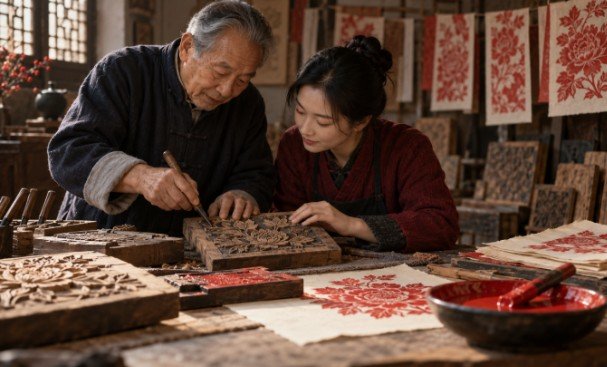
The woodblock-printing film introduced master artisan Tai Liping and the next generation preparing to continue the tradition.
Fengxiang prints use auspicious imagery associated with wishes for happiness and protection. Their significance extends beyond decoration: they connect skilled production with the rituals through which households welcome a new year.
The family relationship gives viewers a clear narrative. Preserving a craft depends on somebody choosing to learn it, practice it, and eventually teach it.
Yuting Cake Making
The Yuting cake story followed Su Shun’an and his mother in Anhui.
These traditional cakes involve carefully shaped molds and detailed preparation. Their appeal lies partly in their connection to family memory and local celebrations—the same festive connections that shape digital campaigns as short video app Kuaishou takes on China’s tech giants during Lunar New Year.
Including food expands the campaign’s understanding of craftsmanship. Expertise does not belong exclusively to objects displayed in galleries or sold in boutiques. It also survives in kitchens, repeated gestures, and recipes maintained through years of practice.
Daoming Bamboo Weaving
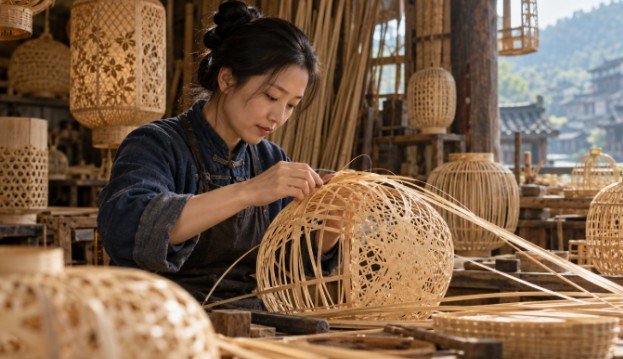
The bamboo-weaving film featured Yang Longmei, who learned the craft from her father.
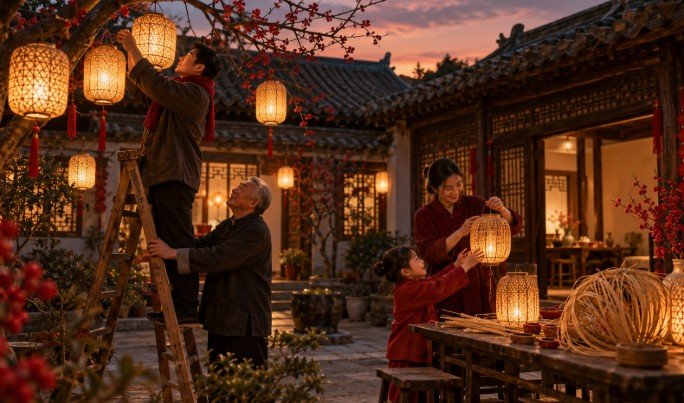
The creation of festive lanterns makes the relationship between material, skill, and celebration especially tangible. Viewers encounter a working tradition through the person practicing it.
Together, the three stories show that cultural heritage contains distinct regional experiences. Treating those differences carefully makes the campaign more informative and emotionally grounded.
Why Family Makes Heritage Easier to Understand
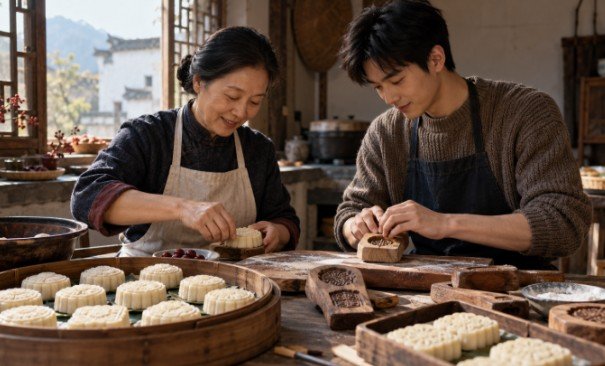
“Heritage” can become an abstract marketing word. A parent teaching a child makes its meaning much clearer. These stories connect preservation with everyday decisions: spending time together, accepting responsibility, and continuing work that requires patience.
That approach also fits Lunar New Year, when family relationships and renewal carry particular importance. The campaign finds its seasonal connection within the subject itself.
Its emotional appeal does not require every viewer to recognize the craft beforehand. People can understand pride, dedication, and the uncertainty of passing something valuable to another generation.
How the Campaign Connects With Guochao
Guochao broadly describes interest in Chinese cultural identity expressed through contemporary brands, design, and consumption.
However, its relevance extends beyond placing recognizable symbols on merchandise. Cultural connection can also emerge through attention to local knowledge and the people maintaining it.
In Brand Film Pick: Loewe Taps China’s Heritage Trend for Lunar New Year, that connection comes through regional specificity.
The strategic interpretation is straightforward: Loewe makes its appreciation for craft visible by directing attention toward craftspeople. The films offer a practical expression of the values the brand wants audiences to associate with it.
Why Restrained Product Placement Matters
The films place artisans and their work ahead of merchandise. This gives the audience room to engage with the subject before considering the commercial relationship.
Loewe’s identity remains relevant because craftsmanship provides the connection between the stories and the brand.
That relationship is essential. Beautiful documentary footage alone would not explain why a luxury house commissioned the work. The campaign’s coherence comes from choosing a subject aligned with an established brand interest.
For other businesses, the lesson is to identify a credible shared value before developing the creative concept.
What Marketers Can Apply
A useful starting point is research. Learn which traditions matter, where they originate, and who can explain them accurately.
Next, give participants meaningful space in the story. Their decisions, experiences, and expertise should shape what audiences learn.
Maintain accurate locations and distinctions between campaign years. Combining different installments can create a misleading account, even when every individual example sounds plausible.
Finally, decide how success will be assessed. Completion rates, audience responses, brand association studies, and qualified website visits can answer different questions. Public coverage alone cannot establish that the films increased sales.
Frequently Asked Questions
1. What Is Brand Film Pick: Loewe Taps China’s Heritage Trend for Lunar New Year About?
It examines Loewe’s 2021 documentary campaign featuring Chinese artisan families and explains how cultural storytelling connects with luxury brand positioning.
2. Which Crafts Appeared in the Films?
The series featured Fengxiang woodblock printing, Yuting cake making, and Daoming bamboo weaving. Each story explored skills passed between generations.
3. Was the Campaign Mainly About Selling Products?
Its storytelling emphasized artisans, family relationships, and craft preservation. The commercial connection came through Loewe’s association with craftsmanship.
4. Can Smaller Brands Use This Approach?
Yes. A smaller business can develop a focused story around relevant local expertise, provided the partnership is credible and the participants receive appropriate recognition.
Final Thoughts
I see this campaign as a reminder that effective brand storytelling starts with choosing a subject worth understanding. The artisans provide the expertise, while family relationships give their work emotional meaning.
For me, the strongest lesson is consistency. Cultural research, accurate details, respectful collaboration, and a clear connection to brand values create a more convincing story than seasonal imagery alone.