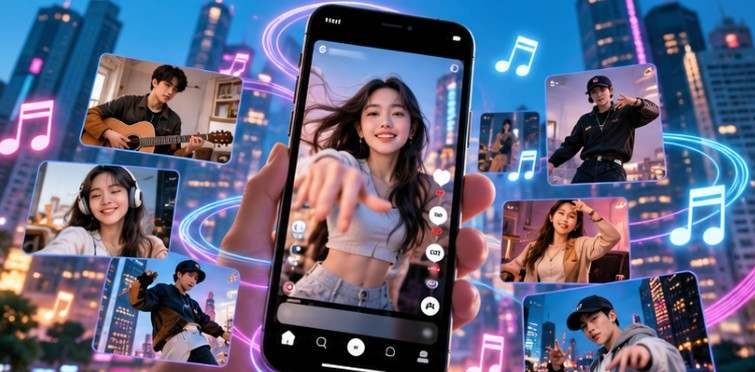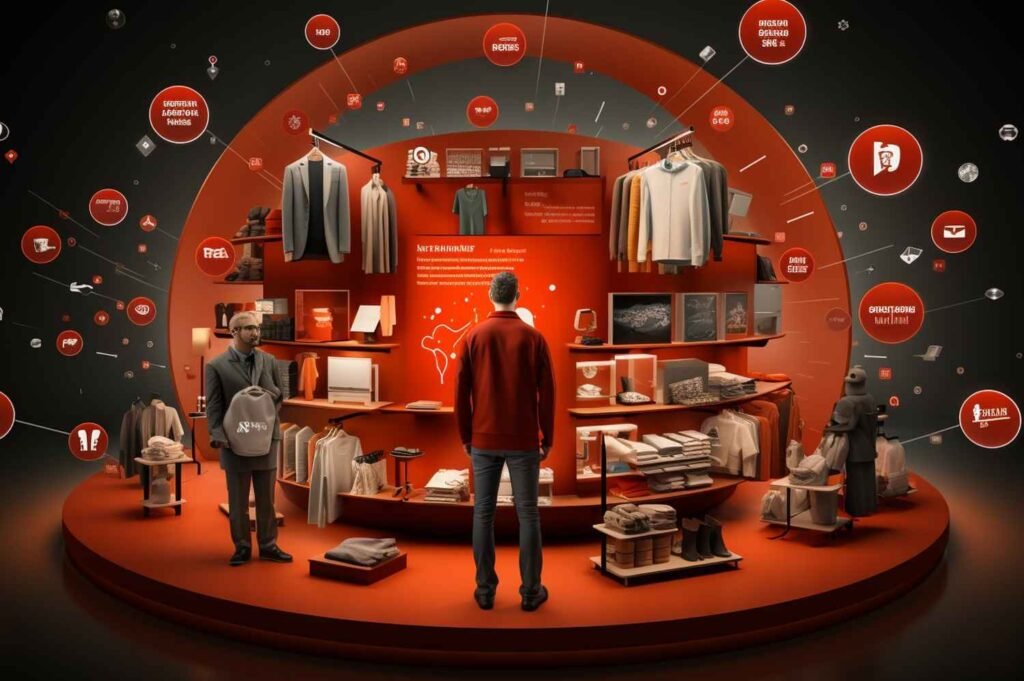

I used to think the toughest challenge for a video platform was getting someone to stop scrolling. Looking at China’s competing platforms, I see a much bigger contest: turning that pause into a habit, a creator relationship, and eventually a purchase. China’s Short Video Battleground Heats Up captures this struggle for attention, trust, and commercial value.
For viewers, the rivalry brings more entertainment and shopping choices. For creators and brands, it raises harder questions about where to invest time and money. Understanding the competition means looking beyond viral clips to the systems that connect content, communities, and commerce.
What Is Driving the Competition?
Short video platforms compete for a limited resource: people’s time. Every additional viewing session creates opportunities to show advertisements, introduce creators, and help merchants reach customers.
However, attention alone does not guarantee a sustainable business. Platforms also need appealing content, reliable shopping experiences, and reasons for creators to keep publishing.
That creates several connected battles. Companies introduce features, recruit talent, court advertisers, and improve selling tools. A change that helps one group can affect another. More advertisements may increase revenue while making the viewing experience less enjoyable.
How the Major Platforms Differ

Douyin: Discovery and Commercial Opportunity
Douyin combines video discovery with advertising, livestreaming, and shopping features. Its recommendation-driven experience can introduce viewers to unfamiliar creators and products.
For brands, this creates opportunities to reach beyond an existing follower base. Yet broad exposure does not automatically produce profitable sales. Content must establish relevance quickly, demonstrate value, and give viewers a convincing reason to act.
The practical challenge is turning individual successes into a repeatable content strategy.
Kuaishou: Creator Relationships and Community
Kuaishou offers another route to audiences through video, livestreaming, and commerce. Creator relationships are an important part of understanding its appeal.
Regular broadcasts, recognizable personalities, and ongoing interaction can help viewers become familiar with a seller. That familiarity may support purchases, particularly when creators demonstrate products and answer questions.
Brands should still test audience fit rather than assume that any community will welcome the same products or presentation style.
WeChat Channels: Video Within a Wider Ecosystem
WeChat Channels places video within an environment that also supports messaging, business accounts, and merchant services.
This matters because discovery can become part of a longer relationship. Someone may watch content, explore a business, ask a question, and return later.
For companies with an established WeChat presence, the strategic question is how video can strengthen those existing connections.
Why Livestream Shopping Needs Entertainment
Livestream commerce brings product demonstrations, audience questions, and purchasing opportunities into one experience. However, repeating prices and urging viewers to buy can become tiresome.
Entertainment gives people another reason to stay. Hosts can build broadcasts around tutorials, challenges, behind-the-scenes access, or conversations with guests. Celebrities may attract attention, while knowledgeable presenters can explain products convincingly.
The strongest format depends on what the audience needs. A cooking demonstration can show an appliance in action. A clothing broadcast can explain fit and fabric movement.
Taobao Live and Pinduoduo also belong in this broader commerce discussion, even though their roles differ from dedicated video feeds. The rivalry extends across the places where shoppers discover, evaluate, and purchase products.
The Battle Extends Beyond Short Clips

China’s Short Video Battleground Heats Up because platforms have reasons to serve more than one viewing habit. Quick entertainment can attract a casual visitor, while serialized programming gives that person a reason to return.
Longer videos, episodic stories, and films expand the range of content competing for attention. They also create different demands around production budgets, rights, promotion, and audience retention.
Bilibili adds another perspective through communities interested in subjects such as gaming, animation, and explanatory content. Xiaohongshu brings product discovery and lifestyle discussion into the picture.
These differences make video length only one consideration. Audience expectations and viewing purpose matter just as much.
Why Creators and Music Matter
Platforms need a dependable supply of content that audiences want to watch. As discussions around future tech china highlight, this makes creator recruitment, support, and retention central competitive concerns.
Financial incentives can attract talent, but creators also need usable tools, understandable policies, and realistic earning opportunities. Unpredictable distribution or excessive dependence on one channel can make planning difficult.
Music adds another dimension. Recognizable tracks can support participation, storytelling, and repeatable video formats. However, access to music involves licensing arrangements and usage conditions.
For commercial content, brands should check permissions rather than assume that an available sound is cleared for every advertising purpose.
What Brands Should Measure Before Spending More

Choosing a platform starts with the customer, the product, and the desired outcome.
A brand seeking awareness should assess qualified reach and meaningful engagement. A merchant seeking sales needs to examine acquisition costs, completed purchases, returns, and repeat business.
Large viewing numbers can hide weak commercial results. A smaller audience may be more valuable when its interests closely match the offer.
Creative work also needs adaptation. Republishing an identical clip everywhere ignores differences in viewing habits, community expectations, and purchasing journeys. Test formats, compare results, and expand spending when the evidence supports it.
Trust Will Shape the Next Stage
Competitive pressure can encourage better tools and richer entertainment. It can also create incentives for exaggerated claims, repetitive promotions, and misleading demonstrations.
Platforms and merchants therefore share an interest in clear product information, dependable fulfillment, and responsive customer service.
Recommendation quality matters too. Viewers need content worth returning for, while creators need opportunities to reach suitable audiences. Privacy and age-appropriate experiences add further responsibilities.
Frequently Asked Questions
1. What does China’s Short Video Battleground Heats Up mean?
It describes competition among platforms for viewers, creators, advertising budgets, and shopping activity. The contest includes content formats, creator relationships, and purchasing experiences.
2. Is short video competition only about Douyin and Kuaishou?
No. WeChat Channels, Bilibili, Xiaohongshu, and commerce-focused services also compete for overlapping audience attention and business spending.
3. Should brands focus on views or sales?
They should choose measures that match their objective. Views help assess exposure, while profitable sales require attention to costs, returns, and customer retention.
My Final Perspective
I see China’s video rivalry as a lesson in connecting entertainment with useful experiences. The brands I would watch most closely are those that understand their audience, support credible creators, and make purchasing straightforward. Lasting value comes from giving people a reason to return.