
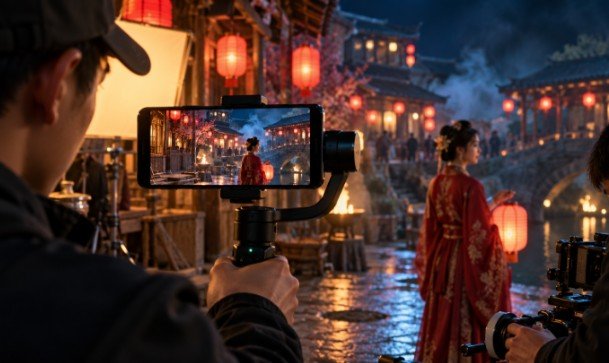
I find brand films most compelling when they give me a reason to care before asking me to admire a product. Apple’s Nian does exactly that. Released in January 2021 for Chinese New Year, the short pairs filmmaker Lulu Wang’s storytelling with the capabilities of the iPhone 12 Pro Max.
The headline Brand Film Pick: Apple Picks Lulu Wang to Direct Annual Holiday iPhone Filmnbsp introduces a campaign whose appeal extends beyond its famous collaborators. Its lasting interest lies in how folklore, filmmaking, and product demonstration work together without overwhelming the story.
What Is Apple’s Nian About?
Nian follows a young girl who questions frightening stories about a mythical creature. Instead of accepting inherited warnings, she seeks the creature herself and discovers an unexpected friendship.
The premise transforms a familiar monster story into a reflection on curiosity and misunderstanding. Its emotional movement comes from the distance between what the girl has been told and what she experiences.
That distinction gives the film more substance than a straightforward seasonal greeting. Viewers encounter a character making discoveries, testing boundaries, and gradually developing an independent understanding of the world.
The Chinese New Year setting matters throughout. This was Apple’s Lunar New Year campaign, rather than a Christmas advertisement, and its cultural framework shapes the entire narrative.
Why Lulu Wang Was a Compelling Choice
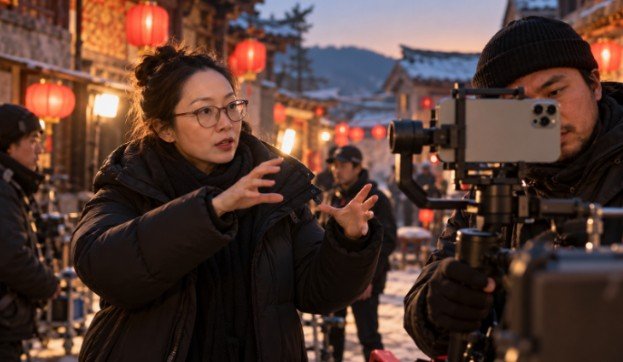
Wang brought recognition from The Farewell, a film closely associated with family relationships and cultural expectations. That background offers a useful lens for interpreting Nian, although it does not establish Apple’s private reasons for selecting her.
Both projects invite viewers to consider how people understand those closest to them. In Nian, the tension between parental warnings and childhood curiosity creates room for tenderness without requiring a complicated plot.
A recognizable director can attract attention, but the stronger creative benefit comes from a suitable perspective. Here, the storytelling gives emotional weight to a fantastical premise.
For brands considering filmmaker partnerships, the practical lesson is to examine creative compatibility alongside reputation. A director’s name can introduce a campaign; their storytelling must sustain it.
How the Film Reimagines Chinese Folklore
Traditional Nian stories describe a frightening creature associated with the New Year. Familiar retellings connect its defeat with red decorations and loud noises.
Wang’s version changes the emotional relationship. The creature becomes someone to understand, giving the girl’s bravery a different purpose.
Curiosity Drives the Story
The girl’s willingness to investigate creates momentum. Each encounter challenges the assumptions surrounding the creature and allows the friendship to develop through action.
This approach makes the theme accessible without lengthy explanations. Viewers can follow the relationship even when they have limited knowledge of the original legend.
Cultural Detail Gives the Story Meaning
The folklore provides more than seasonal decoration. It establishes the fear the protagonist must question and gives her discoveries their significance.
That is a useful distinction for cultural marketing. Recognizable imagery can establish an occasion, but a meaningful narrative connects those details to character, conflict, and change.
How Apple Makes the Camera Part of the Experience

The campaign also demonstrates the iPhone 12 Pro Max as a filmmaking tool. Its atmospheric imagery supports Apple’s broader claim that a phone can capture ambitious cinematic work.
Dark environments, movement, and varied perspectives create opportunities to demonstrate camera capabilities within the story.
The campaign’s creative description highlights low-light performance, Dolby Vision, and the Ultra Wide and Telephoto cameras. These features have a narrative function because they help present the creature’s world and the girl’s encounters.
Viewed this way, Brand Film Pick: Apple Picks Lulu Wang to Direct Annual Holiday iPhone Filmnbsp becomes a case study in demonstrating technology through an experience viewers can evaluate.
The finished images provide the evidence. The story gives audiences a reason to keep watching that evidence unfold.
What the Making-of Video Reveals
The accompanying production film adds another layer by showing how the team captured its images.
Behind-the-scenes coverage describes handheld filming, gimbals, specialized mounts, and a phone attached to a wheelchair wheel for a rolling perspective.
These details clarify an essential point: recording on an iPhone still involves filmmaking decisions, professional expertise, and supporting equipment.
A Small Camera Creates Different Options
A compact device can fit into unusual positions and move through spaces differently from larger equipment. That flexibility can influence shot design and help filmmakers explore perspectives.
However, compelling results still depend on lighting, composition, performance, sound, editing, and planning. The device contributes to the production rather than explaining every aspect of its quality.
Showing that process makes the campaign more useful to aspiring creators while giving curious viewers something additional to explore.
What Brands Can Learn From Nian
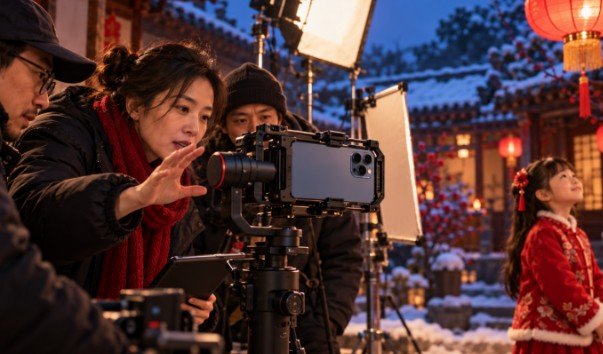
The most transferable lesson is to build a story that makes the product’s capabilities relevant—a useful theme to explore when asking industry leaders to predict 2021 content commerce trends.
A camera campaign benefits when its images demonstrate something meaningful. Likewise, another product should support the experience being presented rather than appear through an unrelated interruption.
Nian also illustrates the value of complementary content. The finished film serves viewers seeking entertainment, while the making-of material addresses questions about craft and execution.
Finally, creative recognition should remain separate from commercial proof. Attractive imagery and industry awards do not establish increased sales. Evaluating business performance would require campaign-specific evidence.
Frequently Asked Questions
1. What does Brand Film Pick: Apple Picks Lulu Wang to Direct Annual Holiday iPhone Film refer to?
It refers to Apple’s collaboration with Lulu Wang on Nian, its 2021 Chinese New Year short film, captured using the iPhone 12 Pro Max.
2. Was Nian filmed without additional equipment?
The iPhone served as the recording device, while the production also used supporting equipment and professional filmmaking techniques.
3. What makes the story distinctive?
It reinterprets a feared mythical creature through a girl’s curiosity, turning an encounter with the unknown into a friendship.
My Final Take
I see Nian as a reminder that effective brand filmmaking begins with an engaging human perspective. Its folklore creates intrigue, its central friendship supplies emotion, and its imagery demonstrates the product. For me, the strongest lesson is how carefully those elements support one another throughout the experience.