I’m more likely to return to a brand that gives me something enjoyable to do than one that repeatedly asks me to buy. A clever quiz, a community challenge, or an entertaining live event can make that relationship feel more personal. But the experience needs a purpose beyond collecting clicks.
That is where building customer loyalty through interactive entertainment becomes a practical marketing strategy. It gives customers opportunities to participate, express preferences, and make progress between purchases. For retailers, restaurants, subscription businesses, and entertainment brands, the goal is simple: create experiences people enjoy enough to revisit.
What Is Interactive Entertainment in Customer Marketing?
Interactive entertainment invites customers to influence an enjoyable experience rather than passively watch it. Examples include live trivia, product-discovery games, branching stories, audience voting, and community competitions.
Gamification overlaps with this approach but has a different scope. It applies mechanics such as points, badges, and progress bars to ordinary activities. A purchase-based points balance is gamification; a weekly storytelling adventure that unlocks product discoveries adds entertainment.
Both approaches work best when participation feels worthwhile and connects naturally to the brand.
Why Enjoyable Participation Can Encourage Loyalty
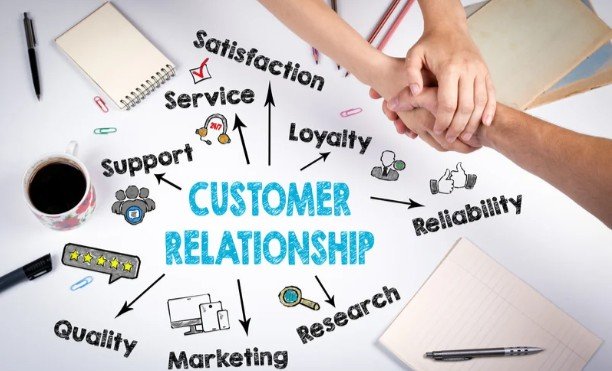
Entertainment creates an additional reason to interact when customers have nothing to purchase. Those encounters can strengthen familiarity, help customers discover products, and support a sense of belonging.
However, frequent participation does not automatically indicate loyalty. Someone might play exclusively for prizes without developing any preference for the business. To measure the sales impact of entertainment content, look beyond participation and track purchases, repeat business, and customer retention after incentives end.
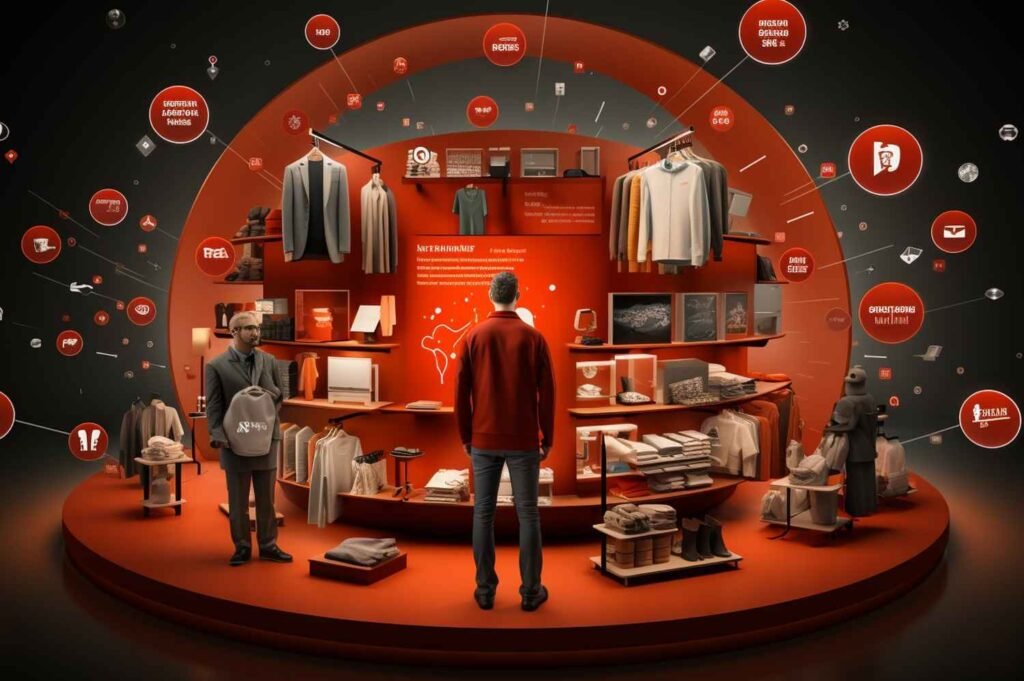
Effective building customer loyalty through interactive entertainment connects enjoyment with relevant value. A neighborhood coffee shop could run weekly flavor trivia that introduces seasonal drinks. A sporting goods retailer could create community activity challenges. Each experience should support the relationship customers already want.
Interactive Entertainment Formats Worth Testing

Quizzes and Product-Discovery Games
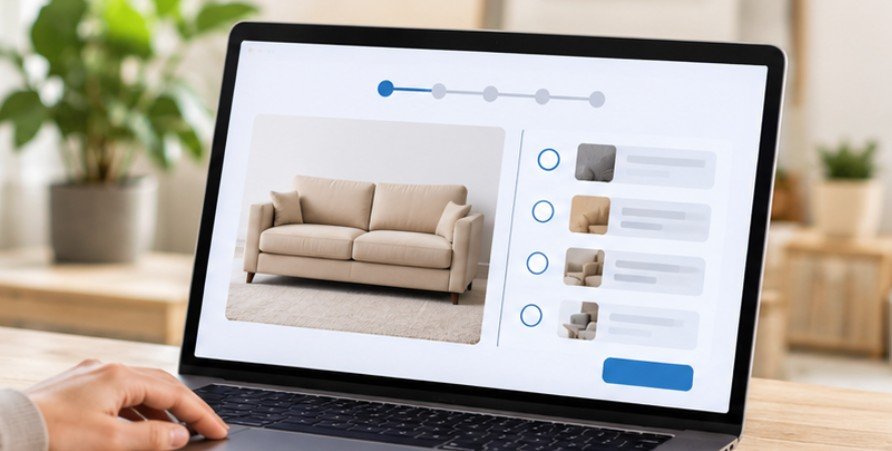
A useful quiz combines entertainment with a relevant outcome. A backyard entertaining quiz might recommend grilling accessories based on group size, cooking preferences, and available space.
Keep questions brief and explain why the result fits. Allow customers to see useful recommendations without requiring unnecessary personal information.
The next interaction should reflect their answers. Recommending unrelated products wastes the information they voluntarily shared.
Recurring Challenges and Progress-Based Experiences
Challenges give customers a clear goal and a reason to return. A bookstore could invite readers to explore four genres during a summer reading adventure.
Make progress visible and requirements achievable. Offer flexible participation so missing one week does not erase everything someone has accomplished.
Rewards can include recognition, early access, or exclusive content. Constant discounts can attract participation while weakening margins.
Live Trivia and Community Events
Live experiences create shared memories. A cinema could host movie trivia before a premiere, while a restaurant might run a family-friendly game during a quieter evening.
Offer cooperative participation alongside competitive options. Some customers enjoy leaderboards; others prefer contributing to a shared community goal.
Choose times that suit your audience and display time zones clearly for online events.
Interactive Stories and Immersive Experiences
Branching stories let customers choose what happens next. A home goods brand might invite participants to design a fictional holiday gathering, with choices shaping the final setting.
Augmented reality can also add playful discovery, but expensive technology is optional. A simple mobile-friendly story can provide more value than an elaborate experience that loads slowly.
How to Launch Your First Campaign

Choose One Customer Behavior
Start with a specific objective, such as encouraging a second purchase, reactivating inactive members, or increasing participation in store events.
Avoid trying to improve every metric simultaneously. One clear objective makes the experience easier to design and evaluate.
For a first pilot, select one audience segment and one entertainment format.
Match the Experience to Customer Motivation
Ask why customers would participate without an immediate purchase reward. They might want useful recommendations, social connection, creative expression, or a satisfying challenge.
Then choose mechanics that support that motivation. Progress tracking suits ongoing challenges, while audience voting suits customers who want influence.
Explain participation, timing, and rewards before customers begin.
Make Returning Easy
Keep the experience usable on phones and accessible through clear instructions, readable text, and alternatives to audio-only content.
Preserve progress across sessions. If customers move between email, your website, and an app, their status should remain consistent wherever your systems support it.
Use reminders selectively. Let participants control notifications and leave without losing access to ordinary shopping features.
Measure Retention, Not Just Participation
Track game completion and returning participants to understand the experience. Then examine whether it changes the customer behavior you selected.
Useful business measures include repeat purchase rate, time to second purchase, retained customers, and incremental contribution after campaign costs.
Compare participants with an appropriate control group where possible. Existing loyal customers may be more likely to play, making a simple participant-versus-nonparticipant comparison misleading.
For example, randomly invite one eligible group to a challenge while another receives ordinary communications. Compare outcomes over the same period.
Deduct production, platform, fulfillment, and reward costs before deciding whether to expand.
Frequently Asked Questions
1. What does building customer loyalty through interactive entertainment involve?
It involves using enjoyable participation to support an ongoing customer relationship. Quizzes, challenges, live events, and interactive stories should provide relevant value and encourage customers to return voluntarily.
2. Can small businesses use this strategy?
Yes. A local shop can begin with monthly trivia, a customer voting event, or a simple digital challenge. Start with an experience your team can maintain consistently.
3. How often should experiences change?
Use participation patterns and customer feedback to guide updates. Maintain a recognizable format while refreshing questions, themes, or challenges before interest declines.
Give Customers a Reason to Return
I would start with one enjoyable experience, one customer goal, and a manageable pilot. Then I would measure whether people return, purchase again, and continue participating when the novelty fades. The strongest program is one customers value and the business can sustain.