Coppolella entered China with something most small European streetwear labels can only dream of: a powerful domestic fashion partner, access to Chinese retail infrastructure, a recognizable Italian identity, and roots in skate culture. Yet those advantages raise the bigger question: will ticking all the right boxes help streetwear brand Coppolella win in China, or does success require something less predictable than a strong market-entry plan?
The answer is complicated. Peacebird’s involvement removed several barriers that routinely slow foreign fashion brands. But China’s streetwear market has evolved rapidly since the partnership began. Domestic labels have become stronger, cultural confidence has risen, and young consumers increasingly expect brands to participate in local culture rather than merely sell into it.
Coppolella Had an Unusually Strong Entry Strategy
Coppolella grew from Milan’s skate and streetwear scene before Peacebird acquired a majority stake around 2020. At the time, the partnership was ambitious.
Industry reporting described plans to use Peacebird’s extensive Chinese retail operations while expanding Coppolella through Tmall and other channels. A target of €200 million in Chinese sales by 2025 was publicly discussed. That figure, however, should be viewed as a business objective rather than evidence that the target was eventually reached.
The strategic logic was nevertheless strong.
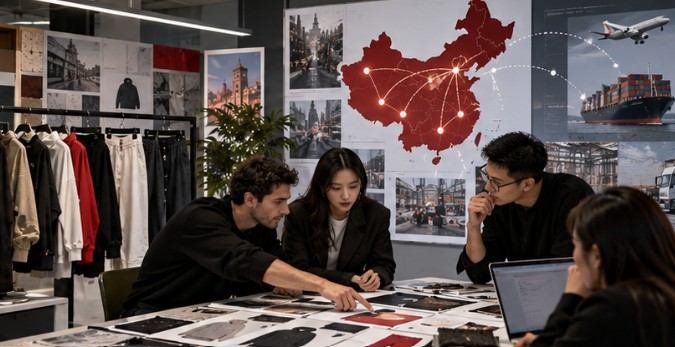
A small foreign streetwear business entering China independently would need to learn local logistics, merchandising, marketplace operations, retail leasing, consumer data, influencer marketing and regional demand simultaneously.
Peacebird already understood those systems.
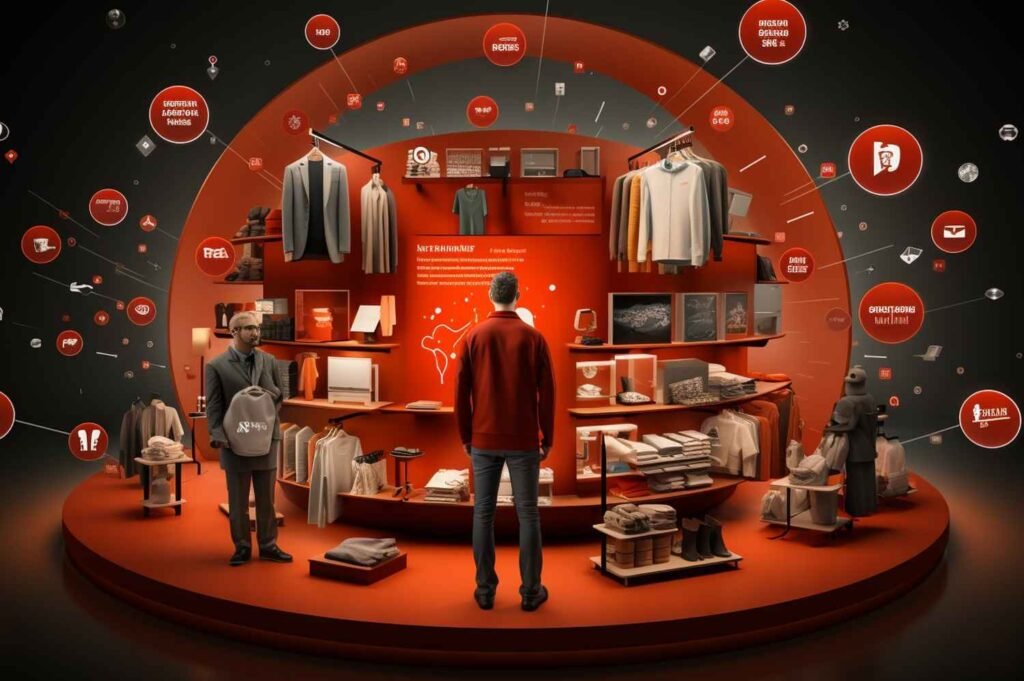
That matters because China’s fashion market does not operate as a simple extension of American or European retail. Successful brands frequently have to manage social commerce, rapid product launches, livestreaming, marketplaces and physical retail as one connected ecosystem.
The Brand’s Biggest Asset Was Local Infrastructure

Peacebird brought more than investment. Its existing operation gave Coppolella access to knowledge about Chinese customers and distribution that would otherwise take years to develop. That is particularly valuable with younger consumers.
Research from China Europe International Business School notes that Chinese Gen Z consumers are highly expressive digital natives who increasingly use products and brands to communicate personal identity. CEIBS also argues that domestic brands have gained an advantage through their ability to combine social media, e-commerce and rapid product development.
Coppolella’s skateboarding background potentially fits that preference for identity-driven fashion. Skatewear is rarely purchased purely because somebody needs another T-shirt. Community, attitude, scarcity, graphics, music and subculture often matter just as much as fabric.
That gives an authentic niche label something a manufactured fashion concept cannot easily replicate.
Italian Identity Is Helpful, but It Is No Longer Enough
A decade ago, foreign origin itself could provide considerable prestige in segments of China’s consumer market. Today, that advantage is less dependable.
Domestic labels have become better at design, branding and storytelling. Guochao, often translated as “China chic” or the “national wave,” has also transformed Chinese cultural references into contemporary fashion assets.
A 2026 report from the Konrad-Adenauer-Stiftung describes Guochao as having developed from a relatively narrow aesthetic movement into a broader consumer and lifestyle force, particularly among younger shoppers.
Official Chinese reporting shows the effect extending beyond local consumers. Shanghai’s government has highlighted growing international demand for Chinese fashion brands based on distinctive design, brand positioning and value. So Coppolella cannot rely on being “the cool Italian brand.”
Its Milan heritage has to contribute something consumers cannot obtain from increasingly sophisticated Chinese competitors.
Gen Z Makes the Opportunity Bigger—and Harder
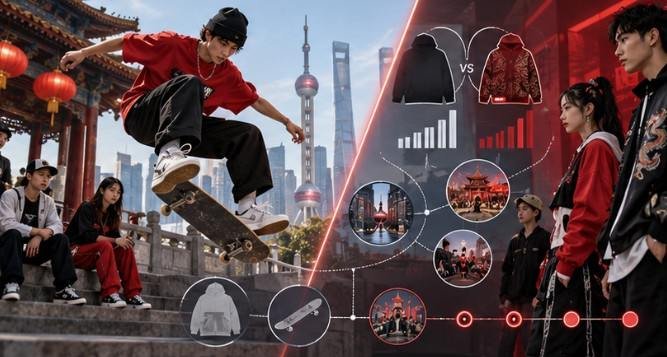
China’s younger consumers clearly give Coppolella room to compete.
Fashion can function as a form of identity creation, and skateboarding fits naturally with individuality, sport and youth culture. But the same audience also creates pressure to continually deliver something new.
Research hosted by Louisiana State University examined 292 Chinese Gen Z consumers and found that highly engaged sustainable-fashion consumers placed greater value on qualities including classic design, quality, versatility and individual expression.
That finding points to an important distinction: young consumers should not automatically be treated as trend-chasers who buy whatever receives the most social attention. Product quality still matters. So does meaning.
Official Chinese reporting on China-chic similarly identifies younger generations as a major force behind consumption linked with domestic culture and identity. State Council Information Office coverage of China-chic consumption
For Coppolella, the implication is straightforward. A dinosaur graphic, limited drop or famous collaborator may attract attention, but the underlying brand universe must give consumers a reason to care after the campaign ends.
Collaboration Can Be a Bridge, Not the Entire Strategy

Coppolella has historically understood collaboration culture. Its development has included associations with names such as Kappa China and entertainment properties connected with Disney, Pixar and Marvel.
Those partnerships can introduce a niche brand to much larger audiences.
The danger comes when collaborations become the brand.
Chinese streetwear consumers have access to an enormous volume of limited editions, artist capsules and cross-brand drops. Another collaboration is not automatically newsworthy.
The stronger strategy is to use partnerships as bridges between Coppolella’s Italian skate DNA and communities already relevant in China: skaters, musicians, illustrators, photographers, designers and emerging creators.
The Founder’s Departure Changes the Authenticity Question
There is another detail that deserves attention when judging Coppolella’s long-term prospects.
Paolo Coppolella’s own account says that after the majority stake had transferred to Peacebird, he eventually gave up creative and artistic direction during 2022 and later exited the project completely.
That does not mean the brand cannot succeed.
Plenty of fashion labels thrive after their founders leave. But for a streetwear business built partly around a founder’s personality and skate-world credibility, ownership and creative continuity matter.
The challenge becomes transferring authenticity from an individual founder to a lasting brand culture.
FAQ
1. Is Coppolella a Chinese or Italian brand?
Coppolella originated in Milan as an Italian streetwear and skateboarding label. Its Chinese expansion accelerated after Peacebird acquired a majority interest around 2020.
2. Why did Peacebird invest in Coppolella?
The partnership gave Peacebird exposure to skate-inspired youth fashion while giving Coppolella access to Chinese retail expertise, e-commerce infrastructure, product development and distribution.
3. Will ticking all the right boxes help streetwear brand Coppolella win in China permanently?
Not automatically. Infrastructure improves the odds, but long-term success depends on cultural relevance, product quality, community credibility, localization and repeat demand.
4. What is Coppolella’s biggest competitive challenge in China?
Its biggest challenge is differentiation. Chinese streetwear and Guochao brands increasingly combine strong design, local cultural understanding, digital marketing and rapid product development.
The Real Test Is What Happens After the Boxes Are Ticked
Coppolella’s China strategy demonstrates why market entry and market victory are different things. Peacebird could solve distribution, localization and operational scale far faster than an independent Italian label could manage alone. That created a meaningful advantage.
But China’s fashion market has moved beyond the era when foreign heritage, strong distribution and a recognizable logo guaranteed relevance. Coppolella ultimately has to earn cultural attention repeatedly while preserving enough of its original skate character to remain distinctive. The boxes matter because they get a brand into the game. What determines the winner is what happens after everyone else has learned to tick them too.