
I think the most valuable podcast milestone happens when someone moves from “I love your show” to “Your product helped me.” Downloads can reveal reach, but they cannot explain whether listeners understand what you sell or why it matters.
My approach to turning a podcast audience into paying customers starts with connecting useful episodes to relevant offers. That connection should feel natural: listeners recognize a problem, discover a possible solution, and receive an easy next step.
You do not need to pitch constantly. You need a clear path from attention to action.
Understand Which Listeners Are Likely to Buy
A loyal listener is not automatically a potential customer. Someone might enjoy your stories without needing your merchandise, coaching, or software.
Start by identifying the overlap between your audience’s interests and the problem your offer solves. Review listener emails, episode questions, customer reviews, and survey responses. Look for repeated frustrations and requests for help.
Ask a specific question: “What is stopping you from putting this advice into practice?” Answers can reveal whether listeners need information, tools, personal support, or a convenient product.
A focused audience with a relevant need can be more commercially useful than a larger audience with little interest in your offer.
Choose an Offer That Fits Your Show
The right product extends the value listeners already receive. A home organization podcast might offer printable planning tools or storage products. An entertainment show might sell merchandise built around original artwork and recognizable community references.
Match the Offer to the Desired Outcome
Services suit listeners who want individual help. Courses and templates support people seeking structured instruction. Physical products provide practical utility or express community identity.
Premium subscriptions serve a different need: more access to the show itself. Bonus episodes, early releases, or exclusive conversations should provide a clear reason to subscribe.
Start with something you can deliver reliably. Validate demand before investing in inventory or building an extensive course.
Plan Episodes Around Buying Questions
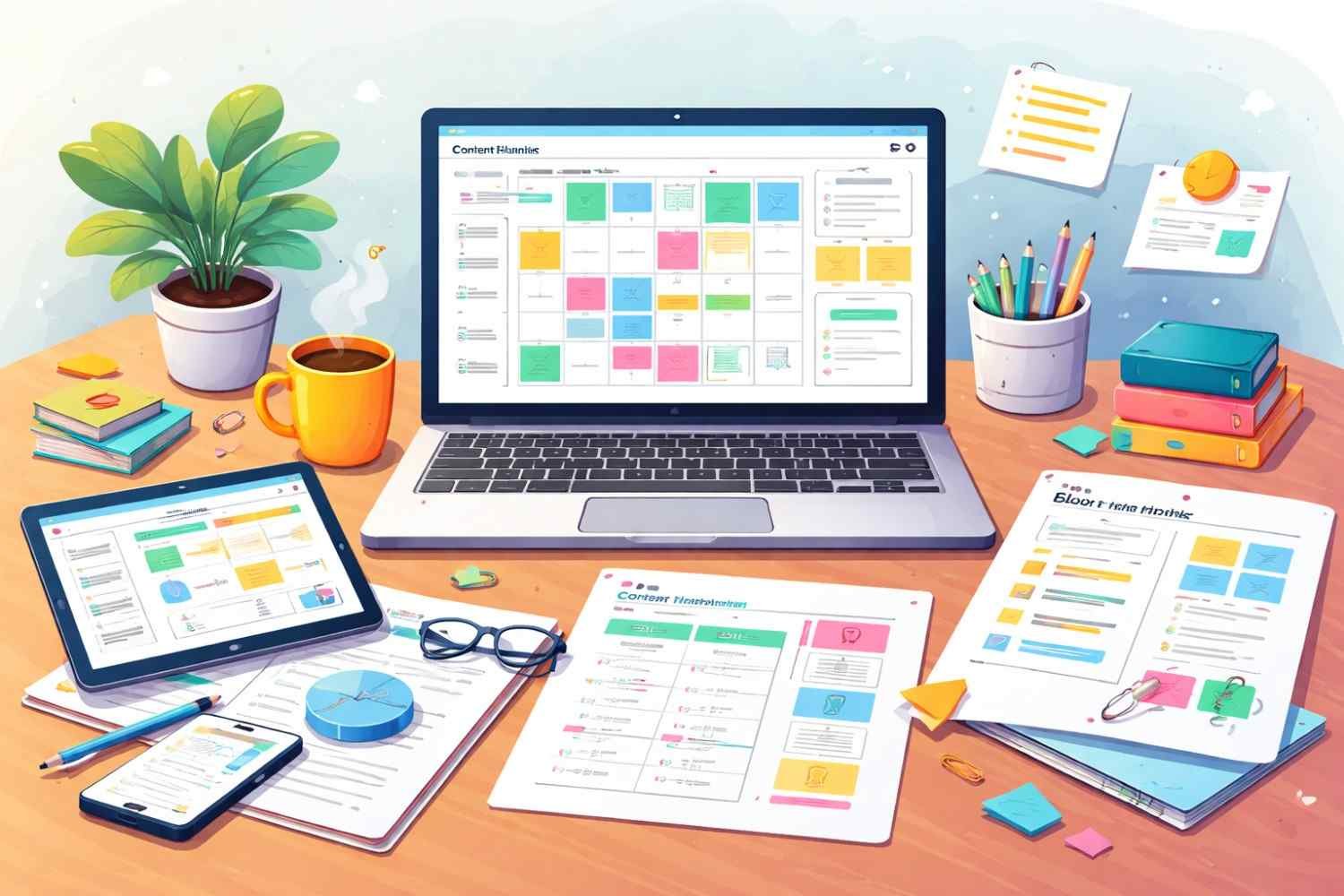
An effective strategy for turning a podcast audience into paying customers begins before the sales message. Your editorial calendar should address questions people ask while deciding whether your solution fits.
Educational episodes explain the problem. Demonstrations show how a solution works. Customer conversations illustrate actual experiences, while comparison episodes clarify tradeoffs.
For example, a camping equipment brand could discuss choosing gear for a first weekend trip. The episode might explain pack size, weather preparation, and comfort before directing listeners to a relevant starter collection.
Keep the advice useful for people who never purchase. Credibility grows when listeners can benefit without paying.
Give Every Episode One Clear Next Step

Competing requests create unnecessary decisions. Asking listeners to follow, review, subscribe, download, and shop in the same closing can obscure your main goal.
Choose one primary action that matches the episode.
Write a CTA People Can Remember
A useful call to action identifies the listener’s need, explains the benefit, and gives a simple destination.
For example: “Planning your first overnight hike? Find our beginner packing checklist at example.com/packing.”
Use a short spoken URL and add a clickable link near the beginning of the show notes. Introduce the offer when it connects naturally with the conversation.
Check that older episodes still direct people to working pages and available offers.
Build a Landing Page That Keeps Your Promise
A listener following a specific recommendation should arrive somewhere relevant. Sending everyone to a crowded homepage adds work.
Repeat the benefit mentioned in the episode. Explain who the offer helps, what it includes, and what happens next. Make the page easy to use on a phone.
For physical products, display dollar prices, delivery estimates, shipping charges, and return conditions clearly. For services, explain the consultation process and who qualifies.
Keep forms brief. Request the information necessary to deliver the resource or complete the purchase.
Premium audio may offer a shorter route through an in-app subscription, without requiring an email signup first. To create another revenue opportunity, you can also launch merchandise inspired by your original content.
Follow Up Without Overwhelming Subscribers

Email creates opportunities to continue a conversation after the episode ends. Offer a relevant checklist, sample chapter, or practical guide in exchange for permission to send messages.
Deliver the promised resource immediately. Follow with useful guidance, a relevant example, and an invitation to explore the paid solution.
Segment subscribers by interest when practical. Someone downloading a beginner checklist may need different information from an existing customer.
Use honest deadlines only when an offer actually closes. Make unsubscribing straightforward, and avoid turning every message into a sales pitch.
Measure Purchases and Fix the Weakest Step
The work of turning a podcast audience into paying customers becomes more manageable when you measure each stage separately.
Track landing-page visits, signups, purchases, and revenue. Use tagged links, memorable redirects, and optional checkout questions to understand how customers found you.
Specify the denominator for every conversion rate. Purchases divided by landing-page visitors measure something different from purchases divided by estimated listeners.
If visits are low, review your CTA. If visits produce few signups, improve the resource or page. If subscribers rarely buy, examine offer relevance, pricing clarity, and follow-up.
After purchase, provide helpful onboarding and dependable support. Measure repeat orders, refunds, and subscription cancellations alongside initial sales.
Frequently Asked Questions
1. What is the first step in turning a podcast audience into paying customers?
Identify a recurring listener problem that your offer can solve. Then connect a relevant episode to one clear action, such as viewing a product or requesting a consultation.
2. Can a small podcast generate sales?
Yes, although results depend on audience fit, purchasing needs, pricing, and trust. A small audience does not guarantee revenue, but a large audience is not a prerequisite.
3. Do I need an email list?
Email helps with follow-up, but listeners can also purchase directly from a product page or subscribe within a listening app.
Make the Next Step Worth Taking
I would start with one offer, one relevant episode, and one clear destination. That keeps the process manageable and makes problems easier to identify.
For me, sustainable podcast revenue comes from respecting the relationship that made someone listen. Solve a real problem, explain the offer plainly, and make buying feel like a useful continuation of the conversation.