

I find seasonal marketing most revealing when familiar traditions meet unfamiliar circumstances. During China’s 2021 Lunar New Year, brands faced exactly that challenge: celebrating reunion while many consumers reconsidered travel and stayed apart from family. An ox illustration or red gift box could attract attention, but meaningful campaigns needed something deeper.
Looking back at Three Top Marketing Trends for the Year of the Ox, I see lessons in responding to changing routines, interpreting cultural symbols, and telling stories. This retrospective examines those approaches through campaign examples and explains how marketers can apply the underlying thinking without copying yesterday’s creative work.
Why the 2021 Marketing Context Matters
The Year of the Ox campaigns discussed here belong to 2021. Renewed coronavirus concerns disrupted holiday travel, making the usual messages about homecoming harder to deliver convincingly.
For marketers, that context changed the brief. Consumers still wanted celebration, entertainment, thoughtful gifts, and connections with home. However, brands needed to acknowledge that those experiences might happen through screens, deliveries, and smaller gatherings.
The strongest strategic lesson is to understand the occasion as people experience it. A holiday calendar identifies the moment; audience research reveals what that moment means.
1. Support Consumers Celebrating Away From Home

Staying home created opportunities for brands that could make an unusual holiday feel more comfortable. Entertainment, convenient meals, and familiar regional products became relevant ways to participate.
Streaming Offers Matched a Practical Need
Video platforms responded with holiday viewing options. iQiyi offered free premium content to viewers in Beijing and nearby Hebei, while Xigua Video made the film My People, My Homeland available without charge.
These examples connected brand activity to an immediate need: giving people something enjoyable to watch during disrupted celebrations. Their relevance came from the usefulness of the offer.
A campaign built around access can be more persuasive than a message asking consumers to celebrate differently without offering help.
Nostalgia Worked Best With Something Tangible
For people away from their hometowns, familiar flavors and regional goods offered a connection to family routines. Campaign reporting identified opportunities around hometown products, meal kits, and other purchases suited to celebrating indoors.
The takeaway is to connect emotional understanding with a practical offer. A nostalgic story becomes more useful when customers can order the featured product, share it with relatives, or recreate a familiar ritual.
Availability, delivery information, and straightforward purchasing deserve as much attention as the campaign film.
2. Give Zodiac Branding a Meaningful Connection
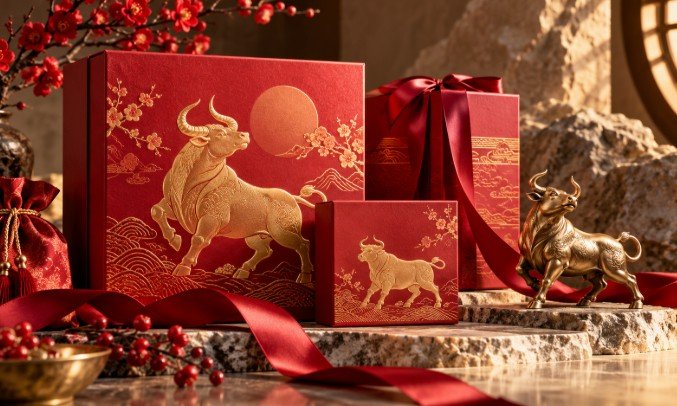
The ox offered an instantly recognizable creative starting point. However, recognition alone could not explain why a particular brand deserved attention.
The most interesting examples connected the zodiac animal with existing products, characters, partnerships, or language.
Mengniu and Red Bull Built on Existing Associations
Dairy producer Mengniu had a natural connection to bovine imagery. Its collaboration with Red Bull included a co-branded gift box and a humorous film featuring both brands’ mascots.
Mengniu also worked with entertainment and gaming personalities, including Xiao Zhan and retired professional player Uzi.
The Chinese word niu can refer to cattle and also express admiration, giving marketers another creative layer. That linguistic connection illustrates why local insight matters: translating a symbol’s appearance does not necessarily capture its everyday meaning.
Gucci Combined Familiar Characters With Festive Design
Gucci’s Doraemon collaboration adapted a recognizable character for the zodiac occasion, including ox-inspired details. The wider campaign incorporated digital channels and physical experiences.
Its creative appeal combined familiarity, novelty, and collectible products. That provides a more substantial concept than adding seasonal colors to an otherwise unchanged item.
Burberry also extended the theme into a game involving animal progression and social activity. Together, these examples show how zodiac branding can become an experience rather than remain a surface decoration.
3. Create Brand Films That Earn Attention
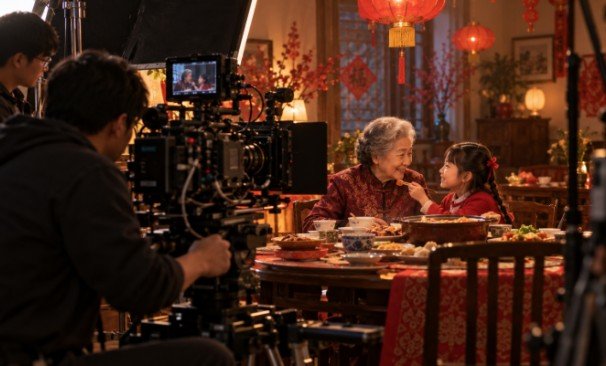
Emotional storytelling remained central to Lunar New Year marketing. Yet the circumstances required sensitivity: an idealized homecoming could feel distant from what some viewers were experiencing.
Themes such as resilience, imagination, and connection offered brands room to acknowledge difficulty while preserving a festive tone.
Apple Used Imagination to Demonstrate Its Product
Apple’s Nian, directed by Lulu Wang, reimagined a traditional creature through a young girl’s encounter with it, offering a storytelling perspective that complements the broader marketing discussion around “e-commerce push luxury over socializing.”
The film also demonstrated the camera capabilities of the iPhone 12 Pro Max through its production. Instead of interrupting the narrative with repeated selling points, the work allowed the finished imagery to support the product message.
The lesson is specific: when a story can demonstrate a capability, the audience can experience the claim rather than simply hear it.
Separate Creative Quality From Proven Results
A recognizable director, celebrity appearance, or moving storyline does not establish commercial success.
Evaluate films against their intended purpose. Relevant measures might include completed views, qualified visits, product exploration, or purchases. Use comparable reporting periods and explain what each metric can demonstrate.
When performance figures are unavailable, describe the creative approach without presenting it as a proven sales driver.
Frequently Asked Questions
1. What do Three Top Marketing Trends for the Year of the Ox reveal?
They reveal how brands responded to disrupted celebrations through practical support, culturally connected zodiac concepts, and emotional films. Their value comes from understanding the relationship between consumer circumstances and campaign choices.
2. Can marketers reuse these ideas today?
Yes, as strategic principles. Research current routines, validate cultural references locally, and choose channels based on audience behavior. Reusing an old campaign concept without that work can miss the occasion’s meaning.
3. Does seasonal packaging make a complete campaign?
No. Packaging can support recognition and gifting, but a complete campaign also needs a clear audience, relevant message, accessible offer, distribution plan, and meaningful measurement.
My Final Take
I see Three Top Marketing Trends for the Year of the Ox as a reminder that seasonal relevance begins with paying attention. Useful offers addressed changed routines, thoughtful collaborations gave familiar symbols new expression, and films created space for emotion.
My approach would be to start with one audience need, develop a culturally grounded idea, and make participation easy. That creates a stronger foundation for seasonal marketing than relying on decoration alone.