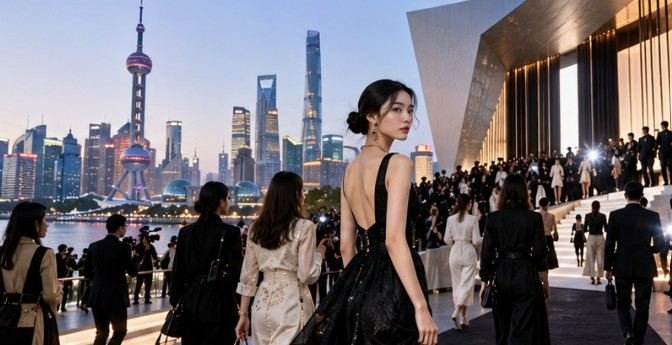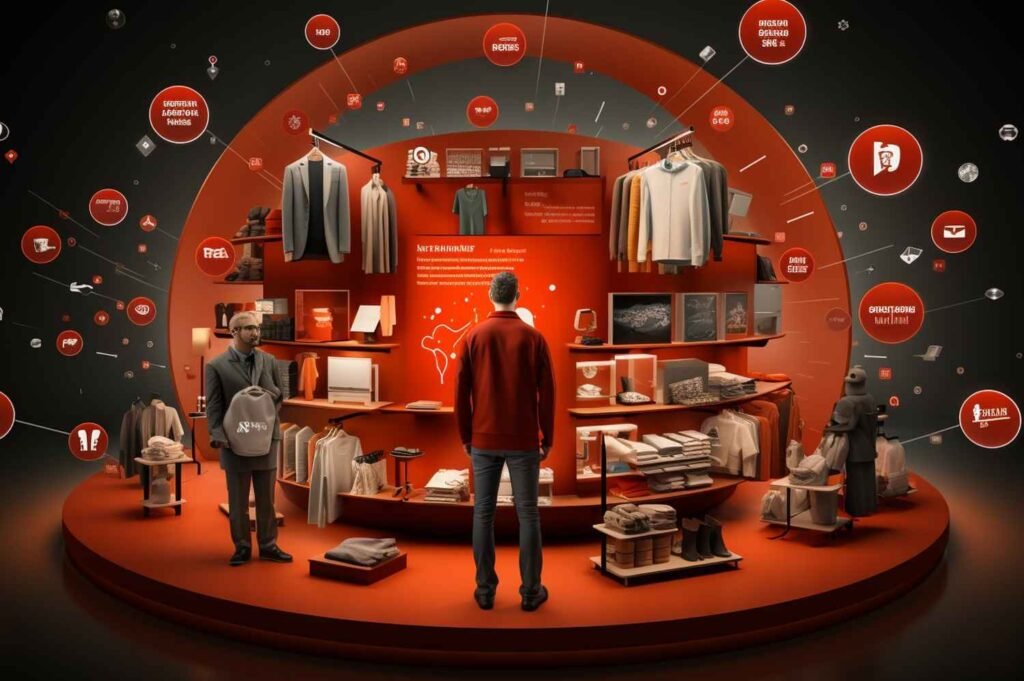

China’s esports audience is now roughly the size of the entire population of the European Union. In 2025, the country had more than 495 million esports users, while industry revenue reached RMB 29.33 billion. That scale explains why cci take luxury brands chase the esports opportunity in china has moved from an experimental marketing idea to a serious question for global fashion houses trying to reach digitally native consumers.
The bigger story, however, is not sponsorship. Luxury brands are learning that gaming gives them something traditional advertising cannot: a place where consumers can wear, collect, experience, and sometimes compete with branded objects.
Why China Makes the Luxury-Esports Equation Different
China does not simply have many gamers. It has an increasingly mature ecosystem of games, professional leagues, streaming platforms, clubs, venues, merchandise, creators, and offline events.
Government-published industry data put China’s esports user base at 490 million in 2024, while mobile titles accounted for 57.6% of major esports products. The scale continued growing in 2025, with esports revenue rising 6.4% year over year.
That mobile-heavy environment matters to luxury companies. A consumer does not need a high-end gaming PC to participate. Fashion, entertainment, livestreaming, social interaction, and digital commerce can all exist within the same smartphone-centered lifestyle.
Academic research from Beijing University of Technology describes Chinese esports as evolving beyond recreational gaming toward organized professional competition, complete with city-based clubs and increasingly developed commercial structures.
Luxury Has Moved Beyond Putting Logos on Tournaments
The first phase of fashion involvement in esports often resembled traditional sports sponsorship: attach a recognizable name to a highly watched event.
Louis Vuitton demonstrated how much further luxury could go. Its Riot Games partnership produced a custom travel case for the League of Legends Summoner’s Cup, followed by character skins and physical capsule collections. The relationship connected three forms of scarcity that luxury understands extremely well: prestigious objects, limited digital assets, and cultural status.
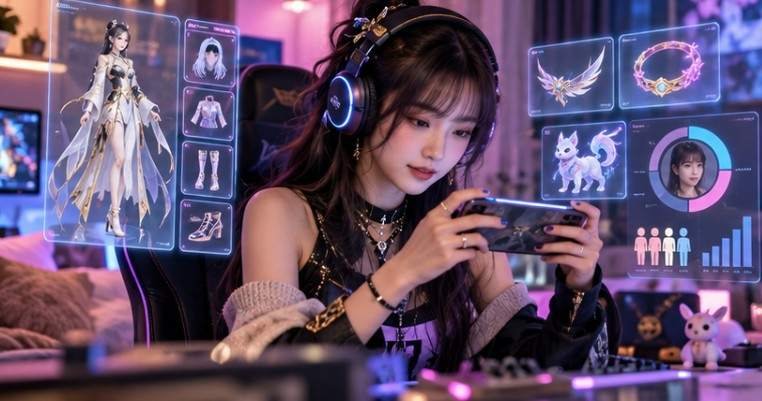
Burberry later entered Tencent’s Honor of Kings universe. Its collaboration created two exclusive skins for the character Yao, translating recognizable fashion codes into something players could actually use inside the game. That distinction is important. A billboard is observed. A skin is inhabited.
Why Virtual Fashion Works Particularly Well Here
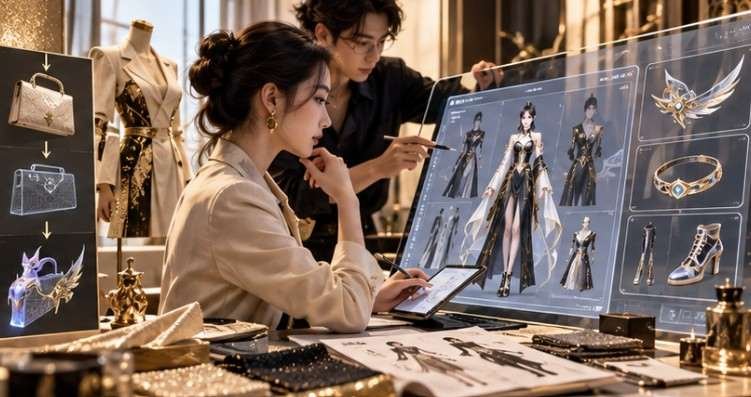
Luxury products have always communicated identity beyond their practical function. Handbags, watches, sneakers, and jewelry tell other people something about taste, exclusivity, and belonging.
Digital goods can perform a surprisingly similar job. The broader question of whether similar systems can travel internationally is explored in whether the West can catch up with China’s social commerce.
Players spend hundreds of hours around avatars and online communities. Cosmetic items can therefore become identity signals rather than meaningless pixels. Fashion houses entering gaming are effectively placing themselves inside another form of social space.
Research from Shenzhen University describes esports as a wider digital cultural industry connecting software, hardware, competitions, clubs, consumption, and entertainment.
The World Economic Forum has similarly documented how China developed into one of the world’s largest gaming economies, reinforcing why international companies increasingly treat gaming as a mainstream consumer channel rather than a niche hobby.
Female Players Complicate the Old Gamer Stereotype
One reason luxury and beauty companies should be careful with traditional esports assumptions is audience composition.
The stereotype of gaming as an overwhelmingly young-male activity is increasingly inadequate. Earlier research into China’s gaming market found a substantial female player population, helping explain collaborations involving fashion, cosmetics, character styling, and virtual collectibles.
That does not mean brands should treat “female gamers” as one demographic segment. Competitive players, casual mobile users, livestream viewers, collectors, and fashion-oriented consumers may have completely different motivations.
For marketers, behavioral communities are more useful than gender alone.
Shanghai Shows How Digital Experiences Are Becoming Physical
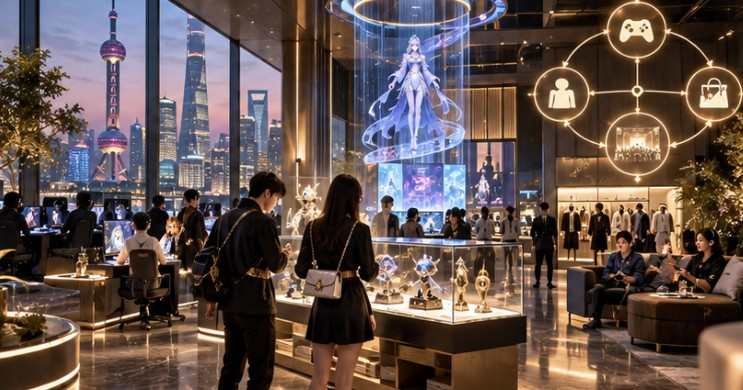
The newest stage goes beyond virtual clothing. Shanghai generated RMB 170.7 billion in online gaming sales during 2025 and hosted more than 4,000 esports competitions and related events. In the first half of 2026, it also hosted 23.9% of China’s offline esports events and contained 38 of the country’s 164 esports clubs. That infrastructure makes “phygital” marketing far more practical.
During VALORANT Champions Shanghai 2026, Riot highlighted a VALORANT concept gaming café created with Balenciaga among the city’s official activations. The partnership turned gaming culture into a destination rather than merely putting fashion imagery on a screen.
For American luxury marketers watching China, that may be the most transferable lesson: games can become the entry point to stores, pop-ups, merchandise, events, creator content, and community experiences.
The Biggest Risk Is Assuming Scale Guarantees Success
China’s enormous esports audience makes the opportunity attractive, but it does not make every partnership sensible. Burberry’s Honor of Kings collaboration also demonstrated how geopolitical and reputational issues can quickly disrupt cross-border campaigns. Tencent removed Burberry-related skins amid the wider Xinjiang cotton controversy in 2021.
Brands therefore need contingency planning covering intellectual property, platform control, regulatory requirements, public sentiment, and geopolitical exposure.
There is another misconception worth avoiding: esports audiences are not interchangeable with all gamers. A League of Legends tournament viewer, a mobile Honor of Kings player, and someone buying narrative console games may behave very differently.
Gaming Is Becoming a Cultural Infrastructure
The strongest evidence that esports has moved beyond a fringe entertainment category is its institutionalization. Esports became a medal event at the Hangzhou Asian Games, where 473 competitors representing 30 National Olympic Committees competed across seven titles. China finished with four gold medals.
That shift matters because brands tend to follow cultural legitimacy. Competitive gaming increasingly has organized leagues, arenas, stars, spectators, merchandise, broadcast ecosystems, and city-level economic strategies.
For another example of how culture, gaming, and commerce intersect in China, the Metropolitan Museum of Art x Game for Peace collaboration shows that valuable game partnerships can extend well beyond fashion.
Frequently Asked Questions
1. Why are luxury brands interested in Chinese esports?
China combines hundreds of millions of esports users with sophisticated mobile gaming, livestreaming, events, digital commerce, and fashion-conscious consumers, creating unusually broad opportunities for luxury engagement.
2. What luxury brands have collaborated with major games?
Louis Vuitton has worked with League of Legends, while Burberry created Honor of Kings skins. Balenciaga has also expanded gaming activity through a VALORANT-linked Shanghai activation.
3. Do gaming collaborations directly increase luxury sales?
Not necessarily. Their strongest immediate benefits may include awareness, cultural relevance, engagement, earned media, consumer data, and access to younger future buyers.
4. What makes an esports partnership successful?
The strongest partnerships fit the game’s culture, provide genuine player value, integrate naturally with gameplay or community experiences, and use measurable commercial objectives beyond impressions.
What Comes Next for Luxury and Chinese Esports?
The next competitive advantage will probably not come from placing the largest luxury logo beside the largest tournament.
It will come from designing something players believe belongs there.
CCI take luxury brands chase the esports opportunity in china ultimately reflects a larger change in luxury marketing: status is no longer expressed exclusively through physical possessions. Consumers increasingly construct identities across stores, social platforms, games, livestreams, and offline communities simultaneously.
For US brands studying China’s market, the lesson is not simply “invest in esports.” It is to understand participation. The winning brand will treat the gaming community as a culture to contribute to, not an audience to interrupt.