

When mainland Chinese marketplaces purged Nintendo Switch cartridges from their listings overnight, most digital strategists assumed brand activations on the platform were dead on arrival. They were wrong. Brands still flocked to Animal Crossing despite China restrictions because the crackdown unintentionally concentrated the exact demographic luxury houses covet: digitally agile, high-income trendsetters who viewed workarounds as standard practice.
I managed digital marketing campaigns during the initial delisting wave in April 2020. Watching companies turn an unlicensed, politically sensitive console game into an e-commerce goldmine rewrote our agency playbook for omnichannel retail marketing strategies.
The April 2020 Crackdown: How a Cozy Simulator Became Taboo

The game never received an official green light from China’s National Press and Publication Administration. Instead, domestic players relied on gray-market imports from Hong Kong and Japan. Trouble escalated when pro-democracy advocates turned the game’s customizable pixel-art patterns into virtual protest rallies, as reported by Reuters.
E-commerce giants Taobao, JD.com, and Pinduoduo responded swiftly. They scrubbed listings mentioning Animal Crossing, forcing merchants to disguise physical cartridges behind code names like “Deserted Island Paradise” or “Turnip Price Tracker.”
Traditional Platform Crackdown Flow:
[Regulatory Delisting]
↳ [Gray Market Cartridges Disguised via Slang (“Turnip Sellers”)]
↳ [High-Intent, Wealthy Players Remain Online]
↳ [Brands Deploy Custom QR Skins to Drive Direct Engagement]
Gray Markets, Cartridge Smuggling, and High-Affluence Players
The friction of acquiring the game functioned as an unintended economic filter. Players who purchased imported hardware, set up foreign Nintendo eShop accounts, and bypassed regional restrictions were not casual consumers. They were urban, educated Gen Z and Millennial buyers with substantial disposable income.
Rather than chasing massive, unfocused impressions, brands suddenly had a self-selected audience of tech-literate tastemakers.
Why the Regulatory Ban Sparked Rather Than Killed Demand
Banning sales never disconnected existing consoles from the internet. Because the servers operated across international borders under Nintendo Official Documentation guidelines, local authorities could not easily disable peer-to-peer multiplayer island visits.
The social conversation migrated to platforms like Weibo and Xiaohongshu (RED). Gamers proudly shared custom island codes and virtual outfits, driving organic virality that conventional ad spend could never replicate.
Inside the Direct-to-Avatar Commerce Blueprint
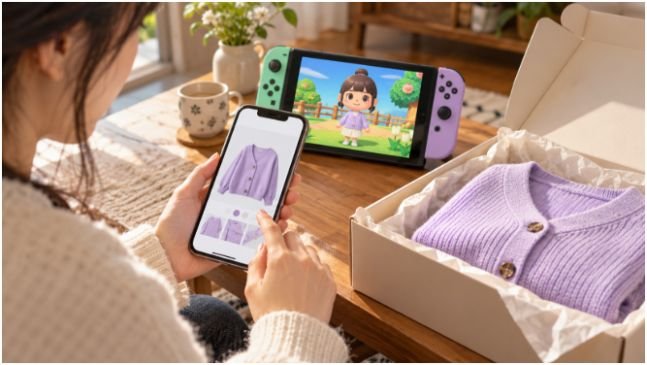
Smart marketing departments avoided direct political commentary. Instead, they adapted their pipeline to the organic creative tools built into the engine.
Net-A-Porter’s Tmall Customer Support Loophole
Luxury retail giant Net-A-Porter executed the most brilliant conversion funnel I observed during this period, a move later highlighted by Vogue Business.
Rather than waiting for an in-game storefront feature that did not exist, they partnered with leading Chinese fashion designers to recreate runway items as pixelated clothing patterns.
Net-A-Porter Funnel Architecture:
- In-Game Design Code ➔ Displayed on Avatar
- Screenshot to RED/Weibo ➔ Drives Social Validation
- Tmall Customer Service Chat ➔ User Submits Island Code
- Instant Checkout Link ➔ Physical Garment Purchased & Shipped
The friction disappeared through a direct customer-service integration:
- Players customized their avatars using branded pro-design patterns.
- Users took in-game screenshots and shared them across social apps.
- Shoppers messaged Net-A-Porter’s official customer service representatives on Tmall with their customized avatar designs.
- Representatives provided direct checkout links for the corresponding physical luxury garments.
By pairing virtual skins with standard domestic commerce apps, the brand bypassed regulatory friction entirely while driving measurable sales on Tmall, as chronicled by Jing Daily. This early success permanently accelerated the brand appetite for digital fashion skins and virtual commerce.
Branded Islands: Gucci, Tatcha, and Environmental Immersion
Other household names focused on experiential storytelling:
- Gucci: Constructed custom dream islands showcasing vintage seasonal motifs and branded interior spaces.
- Tatcha: Built “Tatchaland,” offering serene virtual onsens, tea ceremony grounds, and spa retreats to launch new skincare lines.
- Kaufland: Designed “Kaufisland” alongside Twitch creators to promote eco-friendly grocery habits to younger shoppers.
Visitors were not bombarded with banners or pop-up discounts. They walked through meticulously designed landscapes, absorbing brand values through playful, self-guided exploration.
Key Strategic Lessons for Navigating Restrictive Gaming Markets
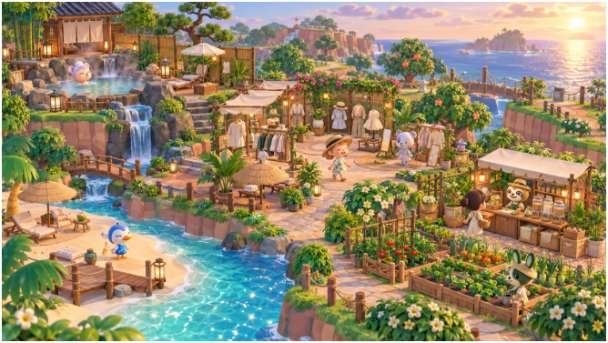
Navigating restricted ecosystems requires agility, cultural literacy, and patience.
- Leverage Native Mechanics First: Never force clunky exterior tracking mechanisms into spaces where players value immersion. Pro designs, island dream addresses, and native QR codes consistently outperform third-party overlays.
- Embrace the Friction Paradox: When a target audience overcomes obstacles to join a platform, their engagement rates are dramatically higher than passive viewers on open platforms.
- Connect In-Game Expression to Physical Fulfillment: A digital asset must serve as the top of a tangible funnel. Whether through concierge chat links, promo codes, or VIP drops, bridge the gap between game avatars and real-world checkout carts.
Frequently Asked Questions
1. Why did Chinese platforms delist Animal Crossing: New Horizons?
Regulators and marketplaces cracked down after players utilized customizable pattern tools to design and share political slogans.
2. Did the delisting stop Chinese gamers from playing online?
No, existing players bypassed sales restrictions using imported physical cartridges and overseas Nintendo eShop accounts.
3. How did brands track sales conversions from the game?
Brands used dedicated Tmall customer support channels and custom promo redemption codes linked to avatar screenshots.
4. Is virtual fashion in gaming still relevant for luxury houses?
Yes, direct-to-avatar commerce remains a core acquisition channel for connecting with Gen Z and gaming demographics.
Ditch the Ad Banners: The Virtual Horizon Awaits
If you wait for regulatory perfection before testing immersive digital channels, your competitors will already own the conversation. The companies that won on Animal Crossing succeeded because they respected the players’ world instead of treating it like a digital billboard.
Audit your current product pipeline. Find one upcoming campaign and design a native, direct-to-avatar touchpoint before your competition catches up.