I’m more likely to open an entertainment email when it offers something worth my attention: an early ticket window, a backstage story, or a recommendation that matches my interests. Another generic discount rarely creates the same excitement.
That is how I approach email marketing ideas for entertainment brands: give fans a reason to care before asking them to buy. Whether you promote a Nashville concert, an independent film, a gaming release, or a neighborhood theater, your emails should connect anticipation with a clear next step.
The following ideas cover acquisition, engagement, conversion, and repeat purchases without making every message a sales pitch.
Start With Fan Preferences and Campaign Goals
An entertainment audience contains different interests, locations, budgets, and buying habits. A subscriber interested in Broadway matinees needs different recommendations from someone following late-night comedy.
Collect preferences through signup forms and a simple preference center. Ask about favorite genres, nearby cities, and desired updates. Use purchase history to refine recommendations, while letting subscribers change their choices.
Give each campaign one measurable purpose: selling opening-weekend tickets, increasing trial activation, encouraging membership renewals, or bringing previous visitors back. That goal should determine the audience, offer, and destination page.
Build Anticipation Before Asking for a Purchase
Offer Presale Access and Exclusive Previews
Reward subscribers with early booking windows, trailer previews, playable demos, or first access to limited merchandise.
For a concert announcement, send interested local fans the date, venue, presale opening time, and purchase link. State the time zone clearly, especially when reaching audiences across Eastern, Central, Mountain, and Pacific time.
A subject such as “Your Friday presale starts at 10 a.m. ET” makes the benefit immediately understandable. Measure completed purchases rather than treating opens as the final result.
Share Stories From Behind the Scenes
Show subscribers the work behind the experience. A rehearsal photo, costume sketch, developer interview, or recording-session diary gives fans something beyond an advertisement.
Keep the story focused. Explain one creative decision, introduce one performer, or reveal one production detail. Then offer a relevant next step, such as watching an interview or exploring the upcoming release.
Use licensed visuals, readable text, and descriptive image alternatives. A linked video thumbnail gives readers an easy route to longer content.
Make Recommendations Feel Personally Relevant
Among the most useful email marketing ideas for entertainment brands are curated recommendations based on declared interests and meaningful customer behavior.
A cinema could recommend upcoming mysteries to subscribers who selected that genre. A streaming service could highlight new episodes connected to a viewer’s watchlist. A gaming brand could separate beginner guides from expansion announcements.
Use location carefully for live experiences. Recommend accessible venues and explain practical details, including dates, age restrictions, and accessibility information.
A focused promotion usually needs one primary action. A weekly entertainment roundup can include several links, provided each recommendation has a clear label and purpose.
Turn Subscribers Into Active Participants
Invite Votes, Questions, and Fan Contributions
Ask subscribers to vote on an encore song, submit cast questions, or choose a community screening theme.
Explain what their participation influences and when you will share the result. Closing that loop gives readers a reason to open the next message.
For quizzes and polls, link to an accessible landing page rather than assuming interactive features work in every inbox. Obtain permission before featuring submitted photos, reviews, or stories.
Celebrate Milestones With Personalized Recaps
Create recaps around meaningful activity: performances attended, games completed, or favorite genres explored.
Pair the recap with an appropriate recommendation or loyalty benefit. Avoid presenting estimated activity as exact, and keep private account details out of shareable graphics.
For smaller organizations, a thoughtful membership anniversary message can provide similar recognition without complex personalization.
Automate Messages Around the Customer Journey
Welcome New Subscribers With a Clear Promise
Use a short welcome sequence to deliver the promised benefit, introduce your entertainment offering, and collect preferences.
Explain what subscribers will receive and how frequently you expect to email. Someone joining for festival announcements should understand whether merchandise promotions are also included.
Follow Up After the Experience
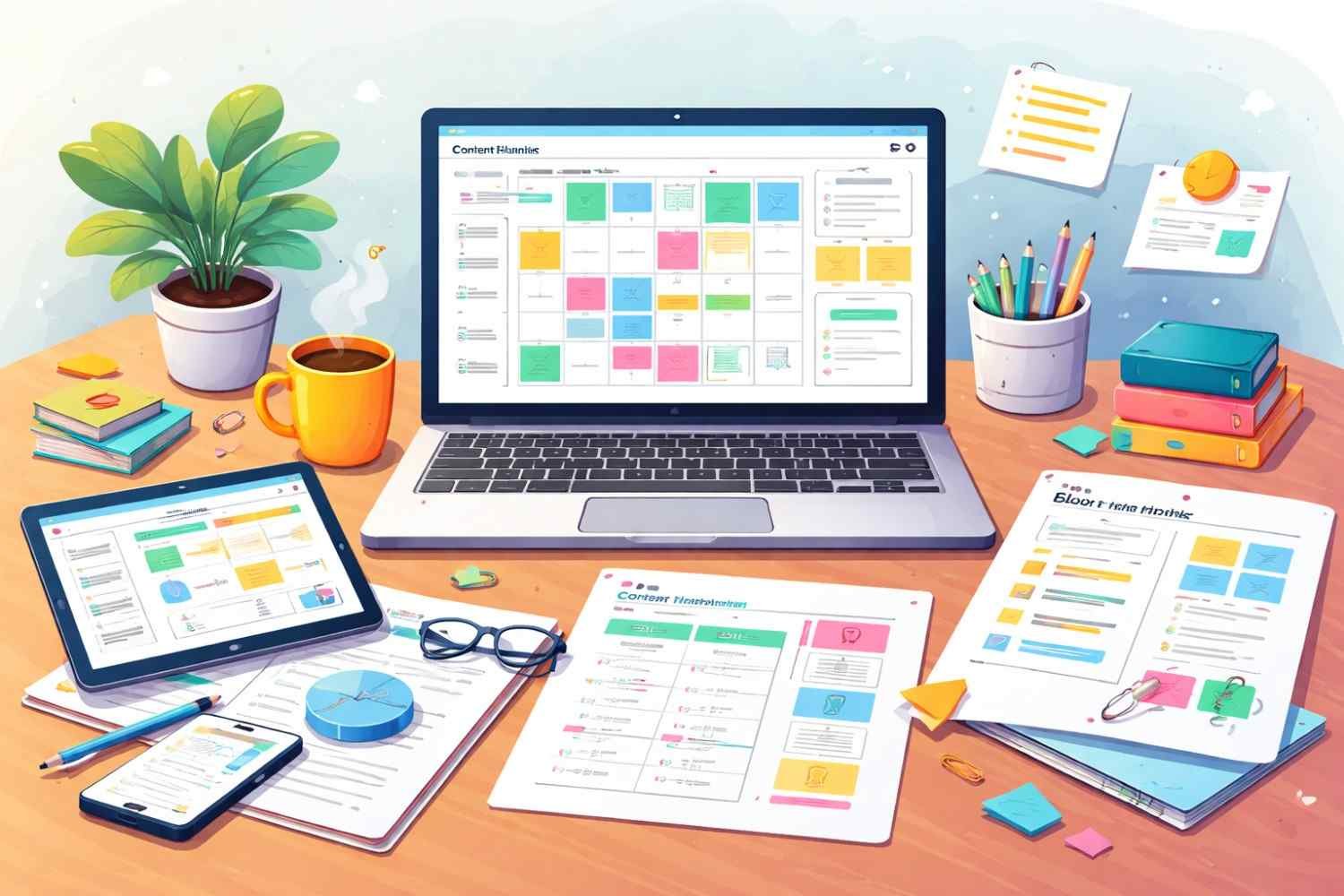
After attendance or participation, send a thank-you message and a brief feedback request. Recommend a related experience when relevant, and use audience feedback to help build content strategy for an entertainment website that reflects visitors’ interests.
Keep operational messages distinct from promotions. Ticket delivery, venue changes, parking instructions, and cancellation information should remain easy to find.
Reconnect With Inactive Fans
Define inactivity according to your business. A monthly attraction and an annual festival require different timelines.
Reconnect with a relevant announcement, new experience, or preference update. Suppress unnecessary reminders after purchase, and respect unsubscribe requests promptly.
Support Sales Without Depending on Discounts
Promote benefits that strengthen the experience: priority seating, member previews, family packages, or convenient group booking.
Match seasonal campaigns to audience needs, including spring break, summer outings, Halloween programming, and holiday gifting. Maintain contact between major launches through interviews, recommendations, and community updates.
Use genuine deadlines and verified availability. Link to current booking information rather than promising that an email always displays live inventory.
Measure Revenue and Improve Each Campaign
Put email marketing ideas for entertainment brands into a manageable testing plan. Track clicks, completed bookings, subscription conversions, repeat purchases, and revenue per delivered email.
Use tagged links in HTML and connected booking data where available. Treat open rates as directional because privacy features can affect reporting.
Test one meaningful variable at a time, such as the subject line or offer. Compare similar audiences and review unsubscribes alongside sales.
Frequently Asked Questions
1. What are effective email marketing ideas for entertainment brands?
Start with presales, personalized recommendations, backstage stories, fan polls, welcome sequences, and relevant follow-ups.
2. How often should entertainment brands email?
Set expectations at signup and adjust frequency around audience preferences, engagement, and launch schedules.
3. Should every email include a discount?
No. Exclusive access, useful recommendations, and compelling stories can offer value without reducing prices.
Give Fans a Reason to Return
I would start with three campaigns: a useful welcome, a relevant announcement, and a thoughtful follow-up. From there, I would expand what earns clicks, purchases, and positive responses. Consistent relevance gives fans a reason to keep listening.