I find merchandise more appealing when it connects to an experience I enjoyed. A shirt revealed during a livestream performance or a signed print introduced during an artist Q&A carries a story that an ordinary product listing may lack.
That connection helps explain how virtual events can drive merchandise sales. They bring entertainment, community, and shopping into the same experience. However, viewers still need relevant products, clear pricing, and an easy purchase path. Here is how brands and creators can build that journey before, during, and after an event.
Why Virtual Events Create Buying Opportunities
Virtual events give merchandise context. Instead of encountering an unfamiliar design in an advertisement, viewers can hear its story, see someone wearing it, and ask questions before ordering.
They also offer participation. Someone watching a concert from an apartment in Chicago can purchase the same commemorative hoodie as a viewer in Phoenix. Merchandise becomes a physical reminder of a shared experience.
However, attendance alone does not create demand. The event must attract people who care about the creator, community, or theme behind the products.
Choose an Event That Gives Products a Purpose
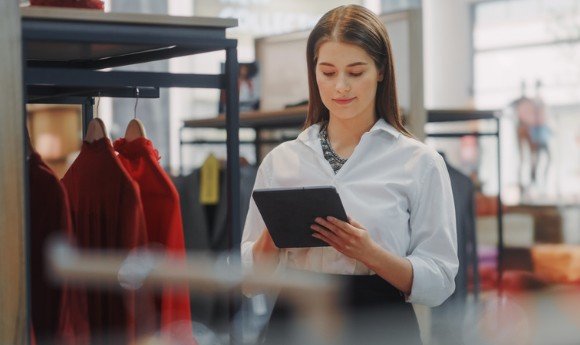
Start with an experience your audience already wants. A musician might host an acoustic performance, while a gaming creator could organize a tournament featuring community-designed merchandise.
Film discussions, podcast recordings, comedy nights, and behind-the-scenes sessions can also support relevant offers.
Connect the Product to the Programming
An illustrator could explain how a character developed before revealing a matching print. A cooking creator might demonstrate a recipe using an optional branded apron.
The product should feel connected to the activity. Random merchandise can distract from the event without giving viewers a compelling reason to purchase.
Build Your Merchandise Offer Before Registration Opens
Choose a small collection rather than overwhelming attendees with dozens of options. A shirt, a practical accessory, and a premium collectible can serve different budgets.
Use accurate photographs, readable size charts, material descriptions, and clear delivery estimates. For American shoppers, show prices in dollars and explain shipping charges before payment.
Offer Optional Ticket and Merchandise Bundles
Give attendees a choice between event access and a package containing access plus merchandise. For a free event, offer an optional product upgrade.
Explain exactly what the package includes. A signed item, exclusive design, or useful workshop kit can make a bundle attractive without relying on a steep discount.
Promote Products Alongside the Event

Merchandise should appear in registration pages, preview clips, and relevant reminder emails. Introduce the design early enough for attendees to consider buying.
Preorders can help estimate demand, although they still require realistic production schedules. If viewers should receive products before the event, publish an order deadline based on confirmed fulfillment capacity.
Explain how virtual events can drive merchandise sales through the experience itself: show what makes the item meaningful, when it becomes available, and how attendees can order.
Use limited availability only when the restriction is real.
Make Live Shopping Easy Without Interrupting Entertainment
During the event, show the actual merchandise. Demonstrate the fit of a hoodie, open a collectible package, or show a poster beside familiar objects for scale.
Answer questions about sizing, materials, delivery, and returns. These details help viewers make informed decisions.
Give Viewers a Direct Purchase Path
Pin a product link beside the stream and send shoppers directly to the featured item. A QR code can help television or desktop viewers, while a clickable link serves people watching on phones.
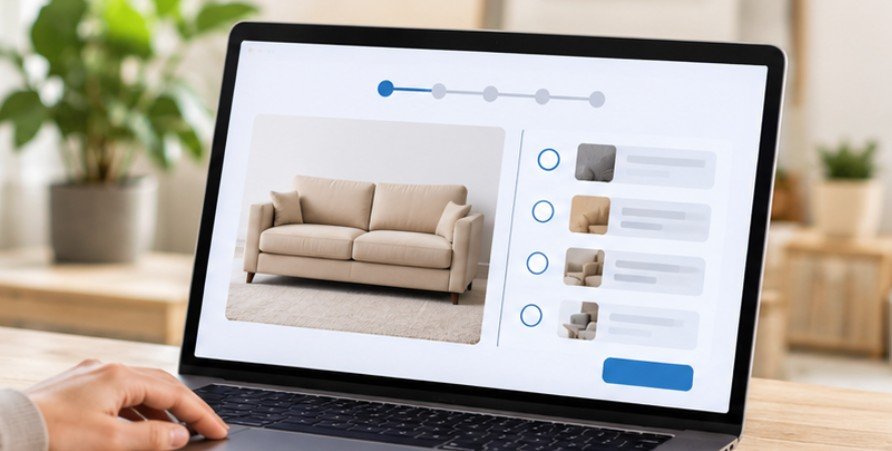
Test checkout on mobile before going live. Check product variations, payment options, shipping calculations, and confirmation messages.
When turning a podcast audience into paying customers, plan brief selling moments around natural transitions so the entertainment remains worth watching or listening to.
Extend Sales Through Replays and Follow-Up
Some attendees will enjoy the event without purchasing immediately. Others will miss the livestream entirely.
Send a useful recap with the replay, featured products, and answers to common questions. Where possible, link to the moment when merchandise appeared.
Tailor follow-up messages to relevant interests and marketing permissions. Existing buyers may need delivery updates rather than another reminder to purchase the same item.
Keep deadlines consistent with what you originally promised.
Measure Profit Alongside Merchandise Revenue
Track unique attendees, product clicks, orders, average order value, and refunds. Use tagged links and event-specific codes to help identify event-related purchases.
For example, imagine 400 attendees generate 32 orders averaging $45. Merchandise revenue would be $1,440.
If product costs total $576 and shipping subsidies plus transaction fees cost $180, the remaining contribution is $684 before event production costs.
This hypothetical calculation shows why sales totals alone are incomplete. Include hosting, promotion, staffing, returns, and other relevant expenses when evaluating profitability.
Also distinguish attributed purchases from additional purchases: some customers might have ordered even without attending.
Protect the Experience After Checkout
The merchandise experience continues after the stream ends. Confirm addresses, collect size selections accurately, and send clear shipping updates.
For print-on-demand products, order samples before promotion. Production after purchase can reduce unsold inventory, but delivery speed and quality still need verification.
Make return policies accessible and provide a straightforward support channel. A memorable event loses value when customers receive disappointing products or cannot get help.
Frequently Asked Questions
1. How virtual events can drive merchandise sales without paid tickets?
Free events can attract interested viewers who purchase optional merchandise. Relevant products, demonstrations, and convenient checkout matter more than charging admission.
2. Which merchandise works best for online events?
Choose products that fit the audience and event, such as apparel, signed prints, accessories, or participation kits. Test demand before expanding the collection.
3. When should merchandise promotion begin?
Introduce products during registration, explain them naturally during the event, and include them in relevant follow-up messages. Publish delivery deadlines early.
Turn a Shared Moment Into Lasting Value
I see the strongest opportunity in giving people something meaningful to remember. Start with an enjoyable event, connect a small merchandise collection to its story, and make ordering straightforward.
Then evaluate customer satisfaction and profit alongside sales. That approach gives each event a clearer purpose and provides useful lessons for the next one.