I see merchandise as a way to let an audience carry a piece of a story into everyday life. A familiar character, illustration, or recurring joke can become something people enjoy owning. But recognition alone does not guarantee purchases.
When I think about how to launch merchandise inspired by your original content, I start with audience connection, product usefulness, and realistic costs. The goal is a small, thoughtful collection that feels connected to your work and delivers what buyers expect.
Find the Content Your Audience Already Values
Start with your content archive rather than a product catalog. Review popular videos, podcast episodes, illustrations, newsletters, and comments. Look for ideas people remember without prompting.
Repeated audience references can reveal promising concepts. Perhaps readers quote an original line, viewers request a character illustration, or listeners identify with a recurring segment.
Separate popularity from purchase intent. An entertaining moment might attract shares without inspiring anyone to buy a shirt.
Match the Idea to Everyday Use
Choose a format that makes the reference useful or enjoyable. An original cooking series could inspire illustrated recipe cards. A fictional podcast might support collectible artwork. A drawing tutorial series could lead to a practice journal.
A logo can identify the creator, but a thoughtful product gives buyers another reason to care.
Validate Demand Before Buying Inventory
Present two or three clear concepts with realistic price ranges. Ask followers which product they would actually purchase, which size they need, and what might prevent an order.
Polls provide direction; they do not represent guaranteed sales. A waiting list shows stronger interest, while completed purchases provide firmer evidence.
Build a simple signup page featuring the proposed product, estimated price, and launch notification form. Track how many visitors join.
If you accept preorders, explain the production schedule, expected shipping window, and cancellation terms before checkout. Avoid promising a delivery date your supplier has not confirmed.
Keep Your First Collection Focused
Learning how to launch merchandise inspired by your original content becomes easier when you limit the decisions involved. Start with one main product and, if useful, one inexpensive companion item.
A sweatshirt and sticker pack can communicate one idea clearly. Launching unrelated apparel, drinkware, and accessories creates more samples, listings, and customer questions.
Decide whether the collection belongs under your existing creator name or a separate brand. Your name helps existing followers recognize it. A distinct brand may suit a concept you want to develop beyond your current audience.
Choose a Production Model That Fits Demand

Print on demand produces items after purchase, reducing the need to hold inventory. It can suit early experiments, although individual product costs and production times require careful review.
Small batches provide inventory you can inspect and prepare before launch. They also require upfront spending and create the possibility of unsold sizes or colors. Preorders can help estimate quantities before a production run. However, customers must understand that they are waiting for manufacturing.
Compare suppliers on samples, printing consistency, shipping coverage, support, and replacement procedures. Check delivery estimates for your main customer regions, including whether Alaska and Hawaii have different charges or timelines.
Design for the Physical Product
Artwork that looks sharp on a screen may lose detail on fabric. Adjust line thickness, contrast, placement, and scale for the chosen printing method.
When developing entertainment marketing ideas for small ecommerce brands, check ownership and commercial permissions for every element, including commissioned artwork, fonts, and stock assets. Keep those records with the final design files.
Order a physical sample. Wear or use it, inspect the packaging, and wash apparel according to its care instructions. Compare the result with the listing images.
Use original product photographs alongside mockups. Show fit, texture, print placement, and dimensions so buyers can make informed choices.
Price for Costs Beyond Printing
Calculate what remains from each order after variable costs.
For a hypothetical $32 shirt, imagine $14 for production, $2 for platform and payment fees, $1 for packaging, and a $4 shipping subsidy. That leaves $11 before design costs, marketing, overhead, and taxes.
Actual charges vary, so replace every assumption with supplier quotes and your platform’s fee schedule.
Allow room for replacements and returns. If a launch costs $220 to prepare and contributes $11 per order, it needs 20 orders to recover that initial spending, assuming those figures hold.
Prepare a Storefront Buyers Can Trust

Give each product a descriptive name that identifies both the design and item. Explain the original reference briefly for visitors who missed it.
Include materials, measurements, fit guidance, care instructions, production time, shipping estimates, and return terms. Display prices in dollars for your primary market.
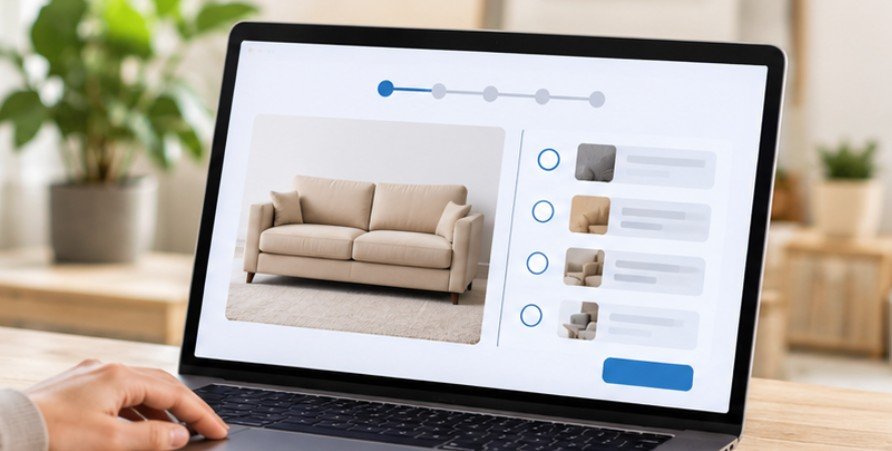
Check the entire mobile purchase journey. Confirm that product options work, photographs load clearly, shipping charges appear correctly, and confirmation messages explain the next step.
Link relevant content to the product page so fans can move naturally from the story to the merchandise.
Build a Launch Around the Story
Begin with a behind-the-scenes look at the idea. Share sketches, explain the reference, and show the physical sample in use.
Announce a specific launch date and time zone. Give subscribers an early notification, then publish a launch post showing the product and purchase link.
Use genuine availability limits. Describe a collection as limited only when its quantity or order window actually is.
After launch, answer questions, communicate delays promptly, and request permission before sharing customer photographs. Track purchases, contribution per order, return reasons, and feedback before expanding.
Frequently Asked Questions
1. How can I learn how to launch merchandise inspired by your original content with a small audience?
Start with a recognizable idea, validate interest, and test one product through a manageable production model.
2. What should my first merchandise product be?
Choose something your audience will use and your original concept suits.
3. Should I order samples before launching?
Yes. Physical samples help verify quality, sizing, colors, and packaging before customers buy.
Make Your First Drop Worth Owning
I would rather launch one carefully tested product than rush into a large collection. When merchandise reflects something people already value, the launch has a clear story. I would use that first release to learn, improve, and earn confidence for the next.