
I find the most revealing platform decisions are sometimes the quietest. A modest independent film can expose ambitions that a celebrity campaign leaves unexplained. When Kuaishou brought Zhang Wei’s The Empty Nest to its platform in May 2020, the interesting question extended beyond whether people would watch.
For me, Kuaishous Arthouse Film Debut captures a turning point in how a short-video service could imagine its future. The move connected everyday storytelling with feature-length cinema during a period when traditional distribution faced extraordinary disruption. Understanding that experiment requires looking at the film, its audience, and the difference between making movies and distributing them.
What Actually Happened in May 2020?
Kuaishou’s first venture into full-length film streaming centered on The Empty Nest, released on the platform for Mother’s Day in May 2020. Contemporary coverage presented the release as an unexpected step into arthouse cinema.
The distinction matters: this was a distribution milestone. Describing it as Kuaishou’s filmmaking debut could incorrectly suggest that the platform directed or originally produced the feature.
For a service associated with short, user-generated videos, distributing an independent feature broadened the range of stories audiences could encounter. It also raised a practical question: could a platform built around brief viewing sessions create space for sustained attention?
The Film Behind the Platform’s Experiment
An Intimate Story About Isolation
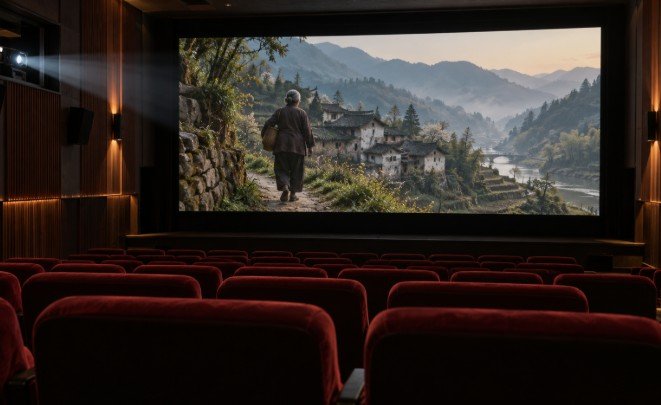
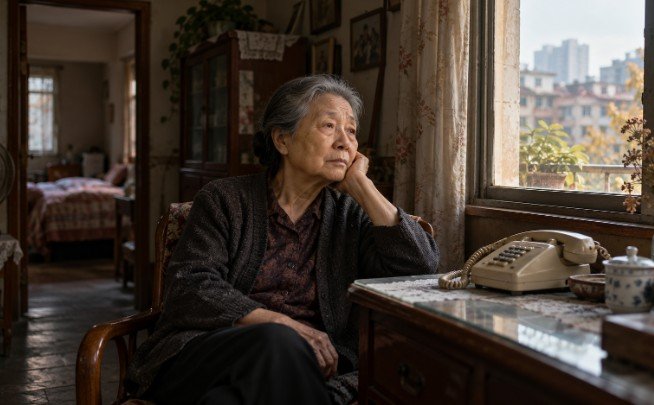
Directed by Zhang Wei and based on a novel by Xue Yiwei, The Empty Nest follows a lonely widow who becomes vulnerable to a telephone scam. Zhu Xijuan, widely recognized for her performance in The Red Detachment of Women, stars in the film.
Its premise gives the distribution decision emotional relevance. A Mother’s Day release connects naturally with questions about aging parents, family relationships, and the distance between generations.
Rather than relying on spectacle, the story invites viewers to consider vulnerability and companionship. Those themes can travel across cultures without requiring extensive knowledge of China’s entertainment industry.
Why the Arthouse Label Matters
Arthouse cinema generally emphasizes a filmmaker’s perspective, character development, or formal experimentation over mainstream commercial formulas. The term does not automatically mean inaccessible or deliberately obscure. For marketers exploring the luxury brand playbook for 2021, this focus on distinctive storytelling offers a useful way to think about creating a recognizable brand voice.
Here, the important contrast concerns distribution. A smaller drama may struggle to secure attention in a theatrical environment shaped by major releases. An online platform offers another route to discovery, although access alone cannot guarantee meaningful viewing.
Why a Short-Video Platform Would Choose a Feature
The strategic appeal becomes clearer when considering audience relationships. Short videos can introduce personalities and situations quickly. A feature allows characters and emotional tensions to develop over time.
Seen this way, Kuaishous Arthouse Film Debut represented an experiment in expanding storytelling formats while retaining an interest in ordinary lives.
That interpretation fits the film’s subject matter, but it should remain an interpretation rather than a claim about confidential corporate intentions.
A platform can test longer programming without abandoning shorter videos. The challenge is helping viewers understand why a particular film deserves their time and making the transition between formats feel worthwhile.
How Pandemic Closures Changed the Opportunity
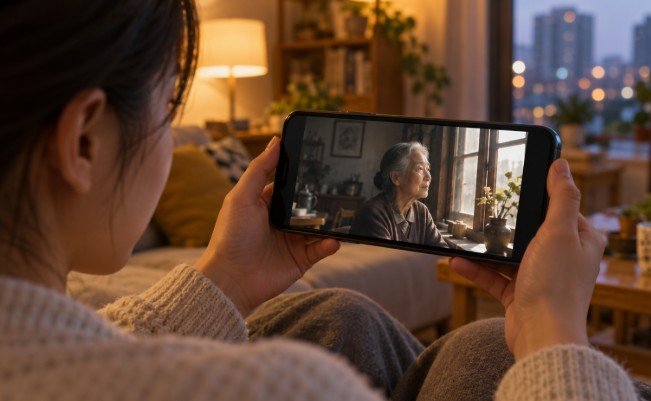
The release arrived during the coronavirus pandemic, when cinema closures disrupted established release plans. Filmmakers and distributors faced difficult choices about postponement, online access, and the commercial consequences of changing distribution channels.
Digital release offered a way to reach audiences while theatrical opportunities were constrained. However, the shift was contested. Studios and exhibitors had existing investments in cinema releases, and individual films faced different financial circumstances.
The Empty Nest therefore belongs within a specific historical moment. Its online arrival should not be treated as proof that streaming permanently solved the distribution problems facing independent cinema.
How the Approach Differed From ByteDance’s
ByteDance’s January 2020 agreement to release Lost in Russia online provided a prominent comparison. That film was a major commercial comedy, making its distribution shift a conspicuous industry event.
Kuaishou’s choice involved a smaller independent drama. The comparison illustrates two different opportunities: attracting broad attention through an established commercial production and giving a less commercially dominant film another distribution outlet.
Neither approach automatically establishes a superior business model. Acquisition costs, promotional commitments, audience engagement, and revenue arrangements would all affect the outcome.
Without verified performance data, it would be misleading to describe The Empty Nest as a proven streaming blockbuster.
What Independent Filmmakers Can Learn
Choose Audience Fit Alongside Reach
A large user base creates potential exposure, but filmmakers need more than an impressive audience total. They should consider whether viewers are receptive to the film’s subject, language, pacing, and emotional concerns.
Promotion should communicate those qualities honestly. Selling a reflective drama as a fast-moving thriller may generate initial curiosity while creating expectations the film cannot satisfy.
Evaluate the Entire Release Arrangement
Distribution decisions also involve licensing terms, exclusivity, territory, subtitles, promotional support, and reporting access. A filmmaker needs to understand what the agreement enables and what opportunities it restricts.
Discovery and engagement deserve separate attention. A trailer impression, a film start, and a completed viewing represent different audience behaviors. Useful evaluation depends on knowing which behavior a reported number measures.
The Later Context: Warm Cinema
Kuaishou’s subsequent Warm Cinema initiative, reported in January 2021, provides additional context. It featured short films associated with established creative names, including Jia Zhangke and Zhang Dapeng, alongside other participating creators and organizations.
These productions drew inspiration from ordinary users’ experiences. Their relevance lies in the combination of community stories and professional production.
They suggest a broader interest in developing emotionally engaging programming. Still, the later initiative should be distinguished from the earlier feature distribution experiment rather than presented as the same project.
Frequently Asked Questions
1. What Does Kuaishous Arthouse Film Debut Refer To?
It refers to Kuaishou’s May 2020 move into full-length film streaming through The Empty Nest, an independent drama directed by Zhang Wei.
2. Did Kuaishou Direct the Film?
No. Zhang Wei directed it. The platform’s significance in this case concerns its streaming distribution role.
3. Was the Release a Confirmed Commercial Success?
The reporting reviewed here does not establish a verified commercial outcome. Distribution significance and financial success are separate questions.
A Lasting Lesson About Attention
I see this release as a useful reminder that innovation can involve finding an audience for an overlooked story. Its lasting interest comes from the questions it raised about distribution, audience expectations, and the relationship between short and long viewing formats.
For me, the strongest lesson is practical: match the story with a receptive audience, explain its appeal honestly, and judge results using evidence. A new distribution channel creates an opportunity; the quality of the audience connection determines what follows.