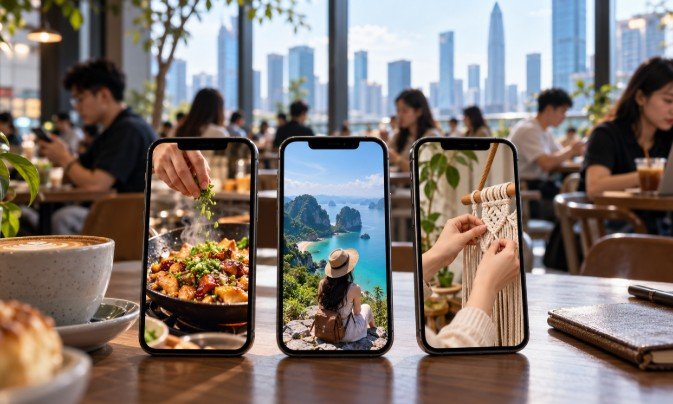
China’s short-video competition has reached a point where platforms are not simply fighting for viewers. They are paying for the people capable of keeping those viewers scrolling.
The strategy behind cash for creators and the battle for short video dominance in china is surprisingly straightforward: recruit proven creators, give them better distribution, attach commerce tools to their content, and hope their audiences follow. But underneath those incentives is a much bigger contest over entertainment, shopping, advertising, artificial intelligence, and control of the next generation of digital media.
For US marketers watching TikTok, YouTube Shorts, Instagram Reels, and the emerging micro-drama business, China offers a preview of what happens when creator competition becomes platform infrastructure rather than merely influencer marketing.
Why Chinese Platforms Are Paying for Creators
Short-video networks have a difficult economic problem. Technology can be copied. Recommendation systems can improve. Interfaces can be redesigned.
A creator with a loyal audience is harder to reproduce.
That explains why Tencent’s Weishi previously targeted creators established on Douyin, Kuaishou, and Xiaohongshu. A 2023 recruitment program sought influencers with at least 30,000 followers and offered benefits including increased traffic and enhanced revenue sharing if they published consistently on Weishi.
The program illustrates the economics of creator poaching. Platforms are effectively buying three things at once: content inventory, audience attention, and a chance to change creator behavior.
China’s experience also shows why creator incentives can become self-reinforcing. Once a network has enough good creators, viewers spend more time there. More viewing attracts advertisers and merchants, which gives the platform more money to fund creators.
Then the cycle starts again.
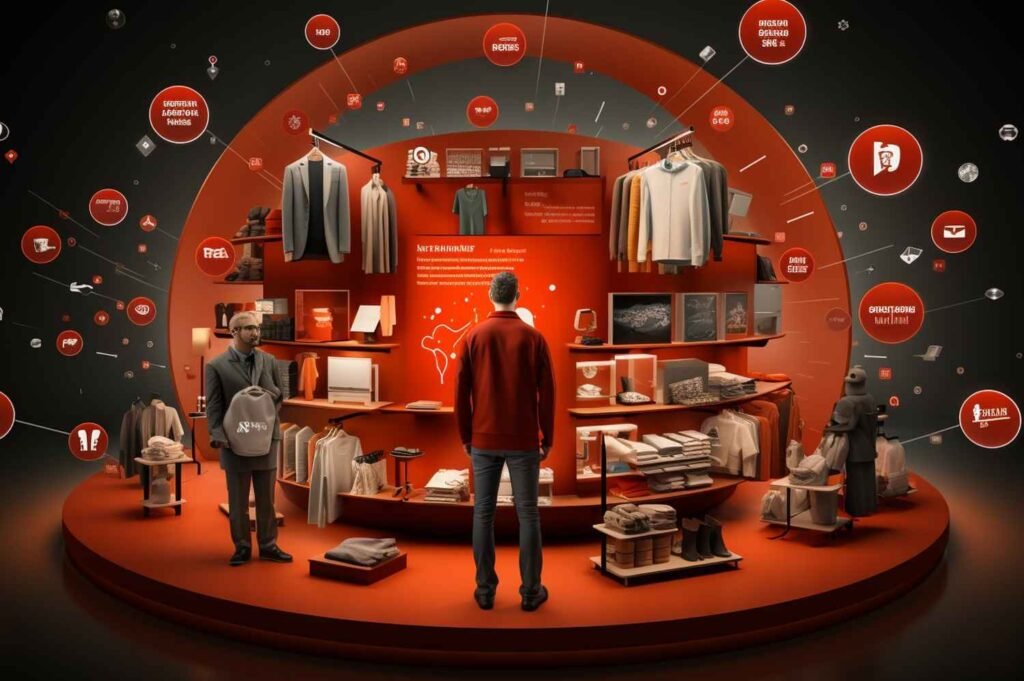
The Real Prize Is Commerce, Not Video Views

The Chinese short-video market differs from a simple advertising-supported media business because entertainment and transactions frequently occupy the same ecosystem.
A creator can introduce a product, demonstrate it, answer questions and direct viewers toward a purchase without sending the shopper through a long discovery process.
That is why the competition increasingly stretches into livestream shopping, restaurant deals, local services and direct-response commerce. Kuaishou, for example, has previously committed tens of millions of yuan in incentives designed to encourage creators to sell group-buying offers for local services.
The logic becomes clearer when you look at platforms such as Pinduoduo, where entertainment mechanics and commerce increasingly overlap. Our analysis of why Pinduoduo became a content-commerce platform worth watching explores that broader shift.
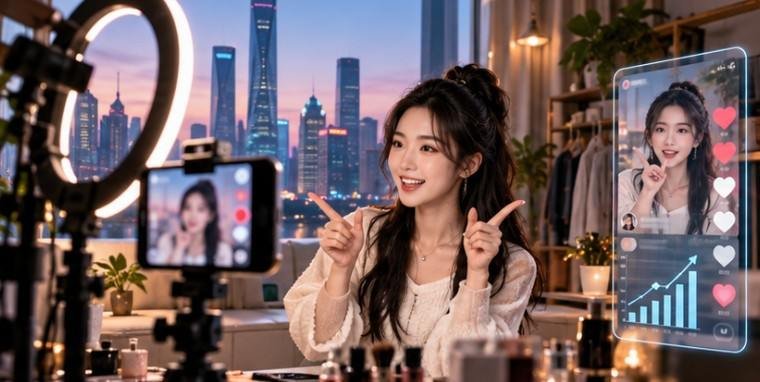
For a platform, therefore, one successful creator is not merely someone generating video views. That creator can become a storefront, customer-acquisition channel and product-discovery engine.
Tencent, Douyin and Kuaishou Are Fighting Different Battles
Douyin has the advantage of enormous attention and sophisticated recommendation technology. Stanford researchers discussing Douyin’s information ecosystem cited more than 750 million monthly active users in China in 2023 and an average of 73.6 minutes of daily use.
Readers interested in the underlying scale of China’s Douyin ecosystem can examine the Stanford research on China’s Douyin network.
Kuaishou built a particularly strong reputation around creators, livestreaming and communities beyond China’s largest cities.
Tencent has another advantage: WeChat. Rather than winning solely through a stand-alone short-video application, Tencent can weave Channels into messaging, payments, mini programs and its broader social ecosystem.
Tencent has experimented with paid video access and advertising revenue opportunities for Channels creators, demonstrating that platforms can compete through monetization tools as much as recommendation algorithms.
This matters because creators eventually ask a harder question than “Where can I get views?”
They ask: “Where can those views become reliable income?”
Micro-Dramas Have Changed the Value of Short Video

A second battle is now developing alongside traditional creator content: micro-dramas.
These vertically formatted serials use extremely short episodes, rapid storytelling and relentless cliffhangers. Instead of demanding an hour of attention, they convert a viewer through repeated bursts of entertainment.
The sector is no longer experimental. Reuters reported in October 2026 that China’s micro-drama business had passed $9 billion in annual revenue.
ByteDance’s Hongguo demonstrates the scale of the opportunity. The short-drama application had nearly 370 million users by June 2026, according to reporting published this month.
The trend extends the same principle explored in China’s combination of e-commerce, reality TV and romantic drama: entertainment formats increasingly double as commercial distribution systems.
For US media companies, this is important. China’s short-video war is gradually becoming a competition over formats, intellectual property and repeatable entertainment franchises, not just individual influencers.
AI Makes Content Cheaper—and Creator Economics Stranger
Artificial intelligence adds another layer to cash for creators and the battle for short video dominance in china.
AI tools can reduce editing, visual-effects and production costs. More controversially, China has also seen platforms where people license their likenesses for possible use in AI-generated advertisements or dramas.
The opportunity is easy to sell: upload your face once and potentially earn whenever a production licenses it.
The reality has been less spectacular.
Sixth Tone reported in October 2026 that many ordinary participants had received few or no licensing requests. Platforms may advertise potential earnings, but demand tends to concentrate around recognizable personalities rather than unknown faces.
That creates a new distinction between owning a digital asset and having an asset people actually want to license.
It also raises significant questions involving consent, biometrics and control of digital identity. The Harvard Applied Social Media Lab’s work on platform transparency is useful background for understanding why platform rules and data policies matter as these business models evolve.
Regulation Can Rewrite the Creator Playbook Overnight

Creators operating in China cannot evaluate platforms exclusively by payouts. Regulatory risk matters too. In September 2026, China’s Cyberspace Administration launched a two-month campaign targeting deceptive short-video personas. Among the practices identified were fabricated professional credentials, AI-generated impersonation scams and displays of rented luxury goods designed to manufacture an affluent identity.
Similar regulation has targeted influencer behavior, sensationalism and online wealth displays. Freedom House’s analysis of China’s internet environment provides wider context on platform moderation and government oversight. That means an audience-building technique that performs well today may become restricted tomorrow. For creators and brands, revenue must therefore be weighed against policy exposure.
What US Platforms and Brands Should Learn
China’s experience suggests creator competition does not end with bigger creator funds. Cash can persuade people to experiment with another platform, but it cannot automatically create loyalty. Long-term advantage comes from combining four things: discovery, monetization, commerce and creator tools.
Brands should therefore avoid measuring Chinese platforms—or Western ones—only by follower counts.
Look instead at revenue per viewer, repeat purchasing, creator retention, cost of content production and how heavily distribution depends on paid incentives. Those metrics reveal whether a platform has created an ecosystem or merely subsidized one.
Frequently Asked Questions
1. Why are Chinese platforms paying creators?
Creators bring content, audiences and commercial influence. Paying established creators can accelerate platform growth faster than waiting for an entirely new creator community to develop organically.
2. What are China’s biggest short-video platforms?
Douyin and Kuaishou remain major short-video players, while Tencent competes through WeChat Channels and has also used Weishi in its broader short-video strategy.
3. Why are micro-dramas important?
Micro-dramas combine mobile-native storytelling, low production costs and rapid monetization. Their growing popularity shows that short video can support serialized entertainment rather than only creator clips.
4. Can US brands copy China’s creator-commerce model?
Parts of it can transfer, particularly livestream shopping and integrated storefronts. However, consumer habits, regulations, payment systems and platform structures differ significantly between China and the United States.
The Bigger Battle Has Barely Started
The most revealing part of cash for creators and the battle for short video dominance in china is not the amount of money changing hands. It is what platforms believe creators are worth.
A successful creator no longer supplies entertainment alone. They can generate attention, transactions, customer data, intellectual property and increasingly AI-compatible media assets.
China’s platforms discovered that controlling distribution without controlling compelling content is not enough. The next winners will be the companies that make creators profitable after the bonuses disappear. For American brands and media companies, that may be the most useful lesson of China’s short-video arms race.