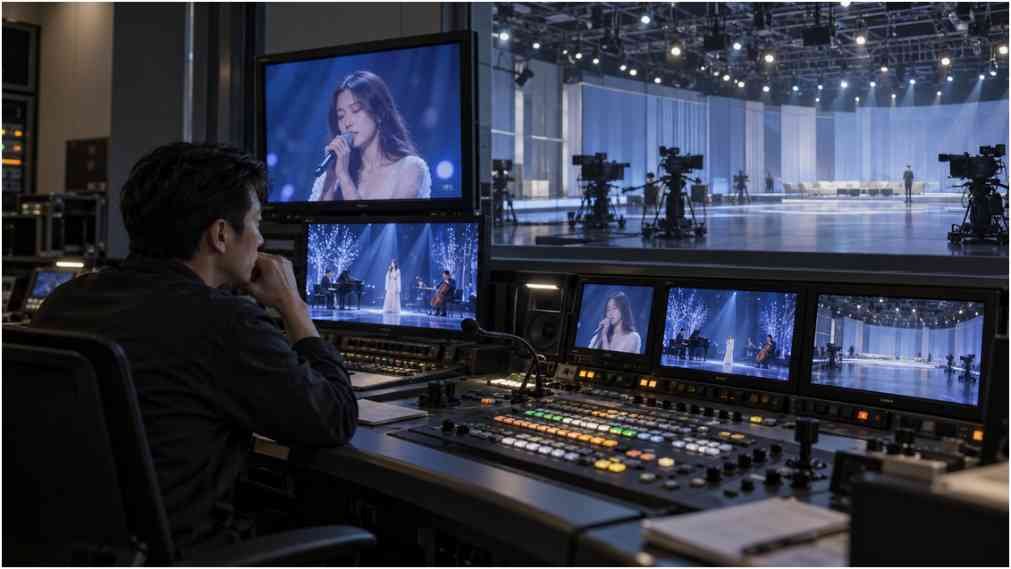
Having tracked media procurement and broadcast advertising across East Asia for over a decade, I watched provincial broadcasters rely on singing competitions as guaranteed balance sheet lifelines. When provincial executives asked me whether singing competitions could reverse their current audience crisis, my answer was immediate: can music save Chinas satellite TV networks today? The clear answer is no, because structural regulatory limits, contracting variety budgets, and short-video algorithms permanently altered how audiences consume musical entertainment.
Traditional stations like Hunan TV, Zhejiang TV, and Jiangsu TV once commanded billions of renminbi in corporate sponsorships. Today, those same linear time slots struggle to fill commercial breaks. Music variety shows still spark weekend social chatter, but they no longer generate the sustained television ratings or enterprise profits needed to rescue traditional broadcast infrastructures.
The Golden Age of Chinese Music Variety Shows

During my early consulting trips to Changsha and Hangzhou, regional television campuses felt like the centers of China’s cultural universe. Provincial stations held massive power because they controlled the direct pipeline to household living rooms.
+————————————————————–+
| TRADITIONAL BROADCAST FLYWHEEL |
| |
| Massive Primetime Variety –> Record Viewership Share |
| ^ | |
| | v |
| Talent Scouting / Agency <– Record Title Sponsorships |
+————————————————————–+
From Super Girls to The Voice of China
In 2005, Hunan TV changed Chinese entertainment forever with Super Girl. The singing contest drew hundreds of millions of simultaneous viewers, demonstrating that regional stations could beat state-run national networks. A few years later, Zhejiang TV replicated that mass mania with The Voice of China, turning rotating red chairs and emotional contestant backstories into corporate gold mines.
Sponsors lined up with blank checks. Beverage conglomerates and dairy giants paid tens of millions of dollars for title sponsorships because singing competitions offered universal appeal across every demographic tier.
Regulatory Ceilings Imposed by the NRTA
That commercial peak did not last. The State Council of the People’s Republic of China and the National Radio and Television Administration stepped in to curb excessive commercialization and speculative fan voting.
The regulatory body introduced strict quotas on seasonal talent formats. Regulators capped the number of idol-making competitions and mandated that prime-time hours reserve space for educational, cultural, and morality-building programming.
As public voting schemes were dismantled, the raw monetization engine driving viewer engagement broke down. Broadcasters suddenly operated under tight guardrails that prioritized cultural alignment over commercial experimentation.
The Great Advertising Budget Migration

Brand advertising dried up faster than production costs could adjust. In conversations with media buyers, the focus shifted from mass-market brand awareness to trackable sales conversions.
PROVINCIAL SATELLITE TV STREAMING & SHORT VIDEO
* Fixed weekly programming * Instant algorithmic discovery
* Strict format quotas * Flexible e-commerce integrations
* Declining youth viewership * Direct-to-consumer data loops
The Shrinking Variety Pie and Shifting Brand Directives
Data highlighted by the State Council Information Office tracks steady evolution across audio-visual media, yet traditional long-form variety programs face intense contraction. Brands that once financed entire production runs now divide budgets across performance marketing channels.
When consumer packaged goods brands purchase media placements today, they demand immediate sales attribution. A 60-second commercial break on Saturday night cannot compete with interactive streaming setups. Even when programs secure blue-chip sponsors, lower license fees force stations to cut staging and talent budgets, muting the on-screen spectacle that made earlier shows iconic.
How Mobile Soundbites Replaced Linear Television

The fundamental way audiences discover songs has moved away from the TV screen. Digital listeners no longer wait seven days for a weekend broadcast to discover their next favorite track.
Global trends tracked by the International Federation of the Phonographic Industry document surging digital adoption across Asian music markets. In China, platforms like Douyin, Kuaishou, QQ Music, and NetEase Cloud Music control discovery. A viral 15-second hook on social feeds does more for a track’s commercial lifecycle than an entire four-month television run.
Audiences consume hit variety performances as repackaged vertical clips rather than watching two-hour linear broadcasts. The television station incurs massive production overhead, while social apps capture the actual user engagement. This dynamic accelerated as kuaishou’s music moves challenge douyin’s dominance, locking younger users inside mobile-first distribution channels.
Beyond Linear Ratings: The Mango TV IP Diversification Model
The single partial exception to this decline proves the broader rule. Hunan Broadcasting System survived by shifting its operations into its digital streaming arm, Mango TV.
Instead of depending on linear television ads, Mango built an integrated content-to-commerce engine. When mango tv draws beauty brands for its female audience, it monetizes that viewership through its proprietary e-commerce platform, Xiaomang. Viewers watching Sisters Who Make Waves buy outfits, skincare formulas, and accessories directly in-app.
Mango expands its music franchises into ticketed arena tours, digital fan clubs, and offline script-murder mystery venues (jubensha). The show is no longer an end product designed to sell third-party commercials; it is a top-of-funnel customer acquisition channel for an offline and retail ecosystem.
Most provincial stations lack the capital, technical infrastructure, and digital talent required to copy this setup. Without a proprietary streaming app or e-commerce engine, regional networks remain trapped in a dying broadcast model.
The Tuning Out of Traditional Broadcasts
Music remains an essential part of cultural storytelling, but the structural idea that it can unilaterally rescue linear television is outdated. Provincial satellite networks confront an older demographic base, rigid content regulations, and an advertising industry built entirely on instant algorithmic tracking.
For media planners and entertainment executives, the strategic imperative is clear: stop treating singing competitions as a quick fix for broadcast ratings. Divert your production budgets away from legacy linear formats and build targeted, multi-channel IP ecosystems that monetize through experiential live events, community merchandising, and direct consumer engagement.
Frequently Asked Questions
1. Why did regulators restrict talent competitions on Chinese satellite networks?
The NRTA banned idol training formats and excessive fan voting to curb irrational celebrity worship, product dumping, and commercial manipulation.
2. Which music reality show was historically the most profitable in China?
Zhejiang TV’s The Voice of China and Hunan TV’s Super Girl set record-setting advertising and sponsorship revenues during their peak broadcasting years.
3. How do Chinese audiences discover new music today?
Most music discovery occurs through short-video hooks on Douyin and Kuaishou, alongside algorithmic feeds on streaming platforms like QQ Music and NetEase Cloud Music.
4. Can provincial satellite stations survive without music variety shows?
Yes, but they must pivot toward lower-cost regional programming, state-supported cultural documentaries, and integrated online-to-offline IP experiences.