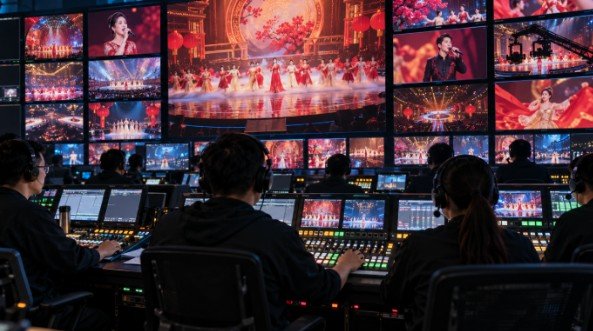
I find the most interesting shopping experiences begin before anyone searches for a product. A performance catches someone’s attention, a creator makes something feel relevant, and an app provides the next step. China’s televised shopping spectacles bring these elements together on an unusually ambitious scale.
To me, the new frontier in content commerce platform driven tv gala shows describes a shift in how platforms compete for attention. Entertainment becomes an entrance to a wider commercial experience. Understanding that connection reveals more than a list of celebrity appearances: it explains how broadcasts, communities, and shopping services can work together.
What Are Platform Driven TV Gala Shows?
These are entertainment events developed around a digital platform’s audience, identity, or commercial objectives. They can combine music, comedy, creator appearances, product integrations, and interactive activities.
China’s established holiday gala tradition provides important context. Shopping platforms adapted the spectacle for promotional occasions such as Singles’ Day and the 618 Shopping Festival.
However, producing a branded gala and sponsoring an existing broadcast are different arrangements. A platform might shape an entire show, sponsor a segment, or supply the app through which viewers participate. Each role offers different creative control and commercial opportunities.
How Broadcast Entertainment Connects With Commerce
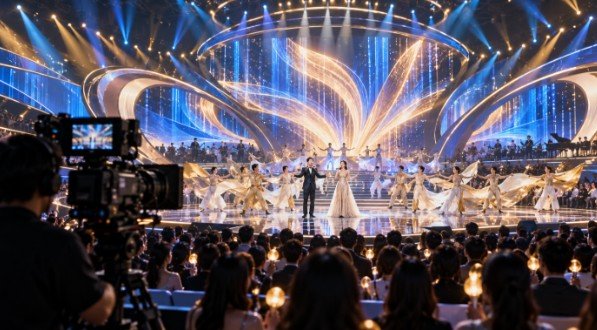
The commercial journey usually requires several connected steps.
First, entertainment attracts attention. Next, a relevant prompt gives viewers a reason to interact. An app then provides an activity, product page, reward, or purchasing opportunity.
The connection must feel understandable. Asking viewers to navigate several unrelated screens can interrupt their interest. A clear destination and an offer connected to the program make the transition easier.
Why the Second Screen Matters
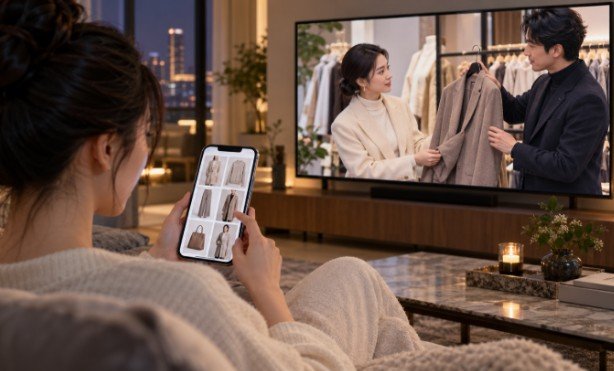
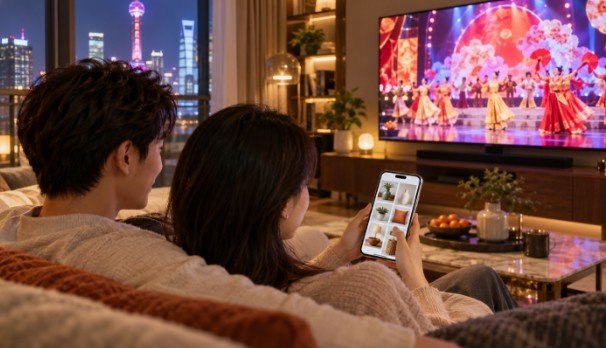
A television can deliver shared spectacle while a phone enables individual participation. Viewers may watch the same performance but explore different products or activities.
Research on the Tmall Gala examines this coordination between television content and second-screen experiences. The useful lesson is that broadcast planning and app design should support the same audience journey.
Historical Campaigns That Explain the Format
Baidu’s Curiosity Night
Baidu’s September 2020 event paired Zhejiang Satellite TV distribution with Yili sponsorship. Its curiosity theme connected entertainment with Baidu’s search identity, while AI and search features encouraged app engagement.
The strategic lesson is brand fit: interactive features work better when they demonstrate something meaningful about the platform.
Douyin’s Wonderful Night
Douyin’s October 2020 gala mixed celebrities with platform creators and community participants. Sponsors included Hengchi, while L’Oréal Paris and Florasis also featured.
This combination connected television spectacle with an existing creator community. It illustrated how familiar platform personalities could contribute alongside established entertainers.
Kuaishou’s Community Approach
The original 2020 coverage also described Kuaishou’s forthcoming “One Thousand and One Nights” event, planned around celebrities and numerous creators.
Its inclusion highlighted growing competition beyond traditional retail platforms. These examples are historical, rather than evidence of present-day campaign performance.
What Later Partnerships Add to the Picture

JD’s 2024 Spring Festival Gala partnership demonstrates another route: becoming the interactive partner of an established cultural broadcast.
Participation involved accessing JD’s app for promotional activities. The arrangement illustrates how a major television event can support platform engagement without being a platform-created shopping gala.
For marketers, the distinction matters. Borrowing the reach of an established event requires a different strategy from building an entertainment property around a platform’s own identity.
Neither approach automatically produces profitable customers. Participation is an intermediate action whose business value requires further measurement.
What Brands Should Borrow From These Campaigns
For brands exploring the new frontier in content commerce platform driven tv gala shows, the most useful starting point is audience relevance.
Choose an entertainment context that fits the product and the people likely to buy it. A large audience provides little advantage if viewers cannot understand the connection.
Give Products a Purpose
An integration should help viewers understand a benefit, recognize a need, or discover something appealing. For marketers asking what a Hong Kong listing for Douyin mean could be, the key question is how potential expansion might create more relevant opportunities for product discovery.
A product used naturally within a relevant scene can communicate more than repeated logo exposure. However, entertainment should remain enjoyable; excessive selling can weaken the reason people started watching.
Prepare the Shopping Experience
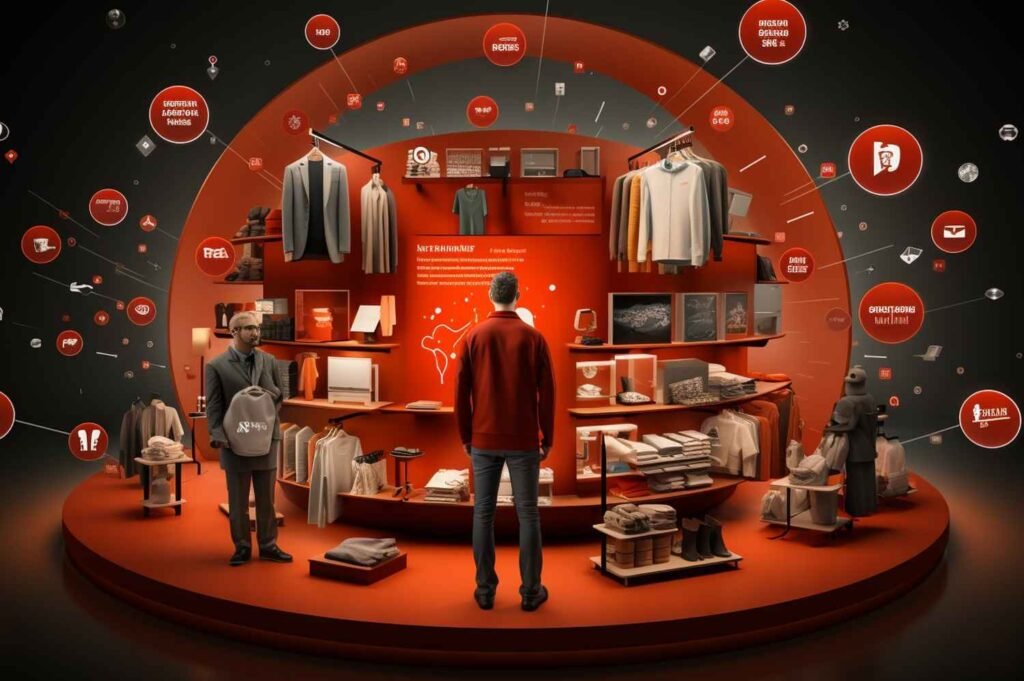
A hypothetical beauty campaign might connect a performance’s styling with a clearly organized product collection. Product information, availability, delivery expectations, and customer support should be ready before the broadcast.
The same preparation applies after checkout. An entertaining introduction cannot compensate for an unclear offer or disappointing fulfillment.
The Wider Content Commerce Lesson
The original newsletter extended beyond galas into sponsorship changes, luxury retail, beauty marketing, branded music, entertainment partnerships, livestreamed fashion, and film-linked shopping.
These adjacent examples point toward a broader planning principle: content can support discovery, brand positioning, participation, and purchasing through different formats.
A gala is one part of that system. Short clips can introduce an idea, a longer performance can deepen interest, and a useful shopping destination can answer practical questions.
Brands should choose the combination that suits their audience rather than assume every campaign needs a large television production.
Measure Outcomes Beyond Attention
Impressions, viewers, interactions, orders, and revenue describe different things.
Repeated interactions do not equal unique customers. Orders may be canceled or returned. A sales increase during a festival may also reflect discounts, existing demand, or other advertising.
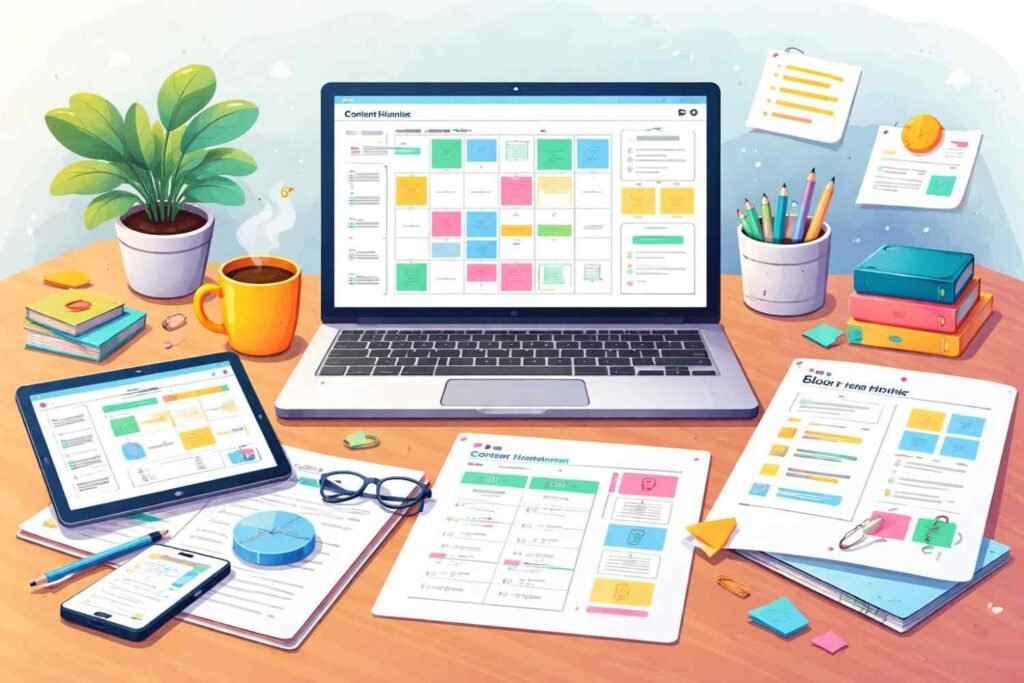
Evaluate campaign costs, completed purchases, margins, and customer retention. Where feasible, compare results against a baseline or suitable control group.
Frequently Asked Questions
1. What does the new frontier in content commerce platform driven tv gala shows mean?
It describes entertainment events that connect platform identity, audience participation, and commercial opportunities across television and digital services.
2. Are these events ordinary livestream shopping?
They can include shopping features, but gala productions typically emphasize broader entertainment and coordinated broadcast experiences.
3. Can smaller brands participate?
Potential options include relevant sponsorships, creator collaborations, or supporting content, depending on campaign access and budget.
4. Do large viewing figures prove commercial success?
No. Viewing figures demonstrate attention; profitability requires evidence about costs, completed sales, margins, and longer-term customer behavior.
My Final Take
I see the strongest opportunity in making every transition useful: from watching to exploring, and from exploring to buying. Spectacle can open the door, but relevance and a dependable shopping experience determine what follows.
For me, the lasting lesson is that entertainment should give people a reason to care before asking them to purchase. Celebrity appearances and interactive rewards can attract attention, but thoughtful product integration makes that attention more valuable.