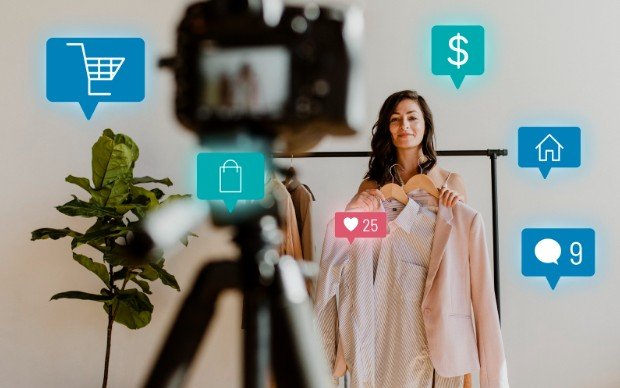
The e-commerce landscape is highly competitive, and I know that having great products alone isn’t enough. You need a marketing strategy that truly connects with your audience and drives results. That’s where influencer marketing comes in. If you’re looking to boost your e-commerce sales, partnering with influencers gives you the authenticity and trust that customers are craving.
In this blog, I’m going to share the most effective strategies I’ve used and seen work for countless other e-commerce brands to harness the power of influencer marketing.
Why Influencer Marketing is Essential for E-commerce Success
Over the past few years, influencer marketing has evolved from a “nice-to-have” to a “must-have” for e-commerce businesses. But what makes it so powerful? For one, it taps into the trust and authenticity that influencers have built with their audiences. Instead of a traditional ad that feels salesy, an influencer’s endorsement feels like a personal recommendation. And authenticity is key when it comes to boosting e-commerce sales.
Not only does influencer marketing allow you to tap into a targeted audience, but it also helps build brand credibility. Customers trust influencers more than traditional advertising, which means they are more likely to make a purchase based on an influencer’s recommendation.
Choosing the Right Influencer for Your Brand

1. Understand Your Audience
Before diving into influencer marketing, you need to understand your target audience. Who are your ideal customers? What type of content do they consume? Do they trust macro or micro-influencers more?
It’s important to match your brand with an influencer whose audience overlaps with your target demographic. For example, if you sell fitness gear, partnering with a health-conscious influencer in the fitness niche will be far more effective than collaborating with a beauty influencer.
2. Relevance Over Reach
It’s tempting to go for the influencers with the biggest followings, but that’s not always the best strategy. Instead, focus on relevance. The influencer’s audience should have a genuine interest in your product or service. Their followers should engage with the influencer’s content in an authentic way.
3. Engagement Rate Matters More Than Follower Count
When selecting influencers, the engagement rate (likes, comments, shares) matters more than just the follower count. Influencers with smaller but more engaged audiences tend to drive better results for e-commerce brands.
Creating Effective Influencer Marketing Campaigns
1. Collaborate on Content Creation
Once you’ve selected the right influencer, the next step is to create engaging content that resonates with their audience. Rather than dictating exactly what they should post, work with the influencer to come up with organic content that aligns with your brand and their style. This ensures that the content feels natural and not forced.
2. Offer Exclusive Deals and Promotions
One of the most powerful ways to boost e-commerce sales through influencer marketing is by offering exclusive deals or promotions to the influencer’s followers. You can provide them with a discount code, a free trial, or early access to a product launch. Exclusivity creates a sense of urgency and encourages followers to act quickly.
3. Run Giveaways and Contests
Giveaways and contests are an excellent way to engage the influencer’s audience and drive traffic to your site. Partner with an influencer for a giveaway where the entry requirement is following your page, tagging friends, and engaging with your content. This tactic not only boosts visibility but also creates excitement around your brand.
How to Measure the ROI of Influencer Marketing

1. Track Sales and Conversions
Use tracking links and promo codes to track the exact sales and conversions generated by your influencer campaigns. This helps you understand which influencers are driving the most value and allows you to calculate your Rate of Interest.
2. Monitor Engagement and Reach
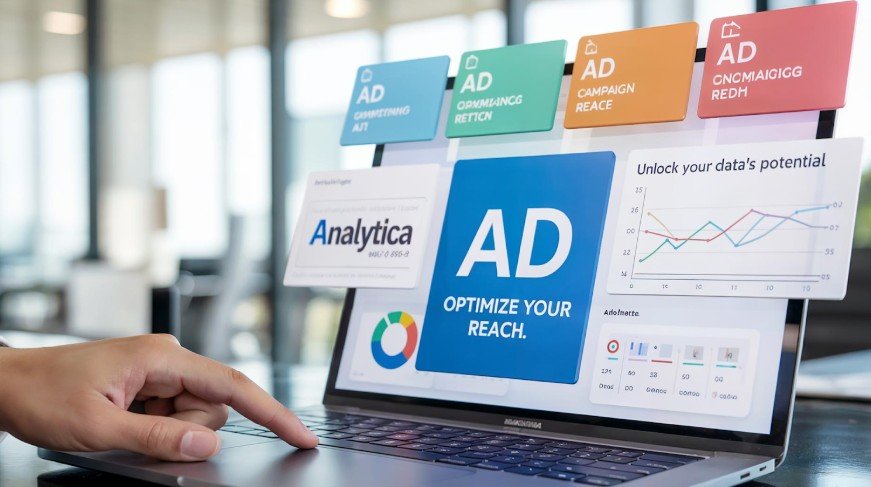
Aside from direct sales, it’s important to track the engagement and reach of your influencer campaigns. Metrics such as likes, shares, comments, and click-through rates can give you an idea of how well the influencer’s content is resonating with their audience. The more engagement, the higher the chances of converting those followers into customers.
3. Look Beyond Direct Sales
While tracking direct sales is important, influencer marketing also drives brand awareness. Increased website traffic, social media mentions, and customer engagement are all signs that your campaign is succeeding, even if they don’t immediately translate into sales.
Best Practices for Influencer Marketing

1. Focus on Long-Term Relationships
Rather than one-off partnerships, build long-term influencer partnerships. This helps create a consistent brand message and can lead to a more loyal audience base over time. Influencers who continuously promote your brand will create a stronger association between your products and their trusted recommendations.
2. Leverage User-Generated Content (UGC)
Encourage influencers to generate user-generated content (UGC), such as product reviews, unboxing videos, or behind-the-scenes content. UGC is not only valuable for building trust, but it also helps fill your content calendar and provides fresh, authentic content for your brand.
3. Stay Authentic
In influencer marketing, authenticity is key. Don’t push too hard for a scripted message. Let influencers share their genuine thoughts and experiences with your products. Their followers will appreciate the honesty and be more likely to engage with the content.
Frequently Asked Questions
1. How much should I budget for influencer marketing?
Your budget depends on the influencer’s reach, engagement, and the type of campaign you plan to run. For smaller influencers, the cost could range from $100 to $1,000 per post, while larger influencers might charge several thousand dollars per post.
2. How do I track the performance of my influencer marketing campaign?
Use affiliate links, promo codes, and UTM parameters to track traffic and sales generated by influencers. Monitoring engagement metrics like clicks, shares, and comments can also give you a clearer picture of the campaign’s success.
3. Can I work with multiple influencers at the same time?
Absolutely! In fact, working with multiple influencers across different platforms (Instagram, YouTube, TikTok) can increase your brand’s visibility and attract new customers. Just ensure that your messaging stays consistent across all campaigns.
Final Thoughts
Influencer marketing is one of the most effective ways to boost e-commerce sales. By selecting the right influencers, creating engaging and authentic campaigns, and measuring the success of your efforts, you can grow your brand and increase sales. The key is to build relationships with influencers, focus on authenticity, and track results carefully to ensure your investment is paying off.
If you’re ready to take your e-commerce business to the next level, influencer marketing should be a key part of your strategy. By following the tips and best practices outlined in this blog, you’ll be on the path to success!