
When I first started blogging, I quickly realized that creating great content alone wasn’t enough. If you’re looking to boost your e-commerce sales, monetizing your blog is a must. But where do you even begin? Well, I’m here to walk you through the top strategies that have helped me and countless other bloggers generate consistent income through a blog while growing an e-commerce business.
In this guide, I’ll share my favorite methods for monetizing a blog, especially when it’s tied to an e-commerce store. Whether you’re a seasoned blogger or just starting out, these proven strategies will set you on the right path.
Why Monetizing Your Blog is Crucial for E-commerce Growth
First things first, monetizing a blog isn’t just about making extra cash. For e-commerce businesses, it’s a key driver for growth. Blogging allows you to build a relationship with your audience, create trust, and introduce products in a way that feels natural.
Blogging is a long-term strategy, but the potential rewards are incredible. By aligning your content and product offerings, you’ll increase visibility, generate affiliate income, sell products directly, and drive repeat traffic, all of which are crucial for scaling your e-commerce business.
Top Ways to Monetize Your Blog for E-commerce Growth

I have tried several strategies over the years, and some are far more effective than others when it comes to e-commerce. Let’s go through the best monetization methods that I highly recommend for any e-commerce blog.
1. Affiliate Marketing: A Smart and Scalable Income Stream
Affiliate marketing is one of the most effective ways to monetize a blog, especially if you have an e-commerce site. By promoting products that resonate with your audience, you can earn commissions on every sale that’s made through your affiliate links.
For example, let’s say you run a blog that discusses the best e-commerce digital tools. You can include affiliate links for various tools and platforms, earning a percentage of the sales made through your blog. It’s a win-win: your readers get helpful recommendations, and you get paid.
How to make it work for you:
- Sign up for affiliate networks like Amazon Associates, ShareASale, or CJ Affiliate.
- Integrate affiliate links naturally into your content. Instead of hard-selling products, recommend them in the context of helpful content.
- Create comparison guides, round-ups, or product reviews that provide value and increase the likelihood of your audience purchasing through your links.
2. Sponsored Content: Partner with Brands for Steady Revenue
If you’re looking to earn consistent income, sponsored content can be a game-changer. Brands are always looking for bloggers who align with their values and can showcase their products to a targeted audience.
I’ve worked with several brands in the past, and the key is to only partner with companies that align with your blog’s niche. This ensures that your sponsored posts still feel authentic to your audience.
How to make it work for you:
- Build a solid media kit that includes your blog traffic, social media following, and audience demographics. This will help you approach potential sponsors.
- Pitch brands with a personalized message, explaining why their products will resonate with your audience.
- Create honest and engaging sponsored content that blends seamlessly with your regular posts. No one likes overly promotional content!
3. Sell Your Own Products: Turn Your Blog into an E-commerce Powerhouse
Nothing beats the potential of selling your own products directly through your blog. Whether it’s digital products (e-books, courses) or physical merchandise, selling products on your blog lets you keep 100% of the profits.
If you already have an e-commerce store, make sure your blog is driving traffic and funneling customers to your products. This creates a direct link between your blog content and your sales.
How to make it work for you:
- Use a platform like WooCommerce or Shopify to integrate your e-commerce store with your blog seamlessly.
- Create content that promotes your products, such as tutorials, case studies, or “behind-the-scenes” posts.
- Offer exclusive discounts or early access to products for your blog readers. This drives engagement and encourages readers to become customers.
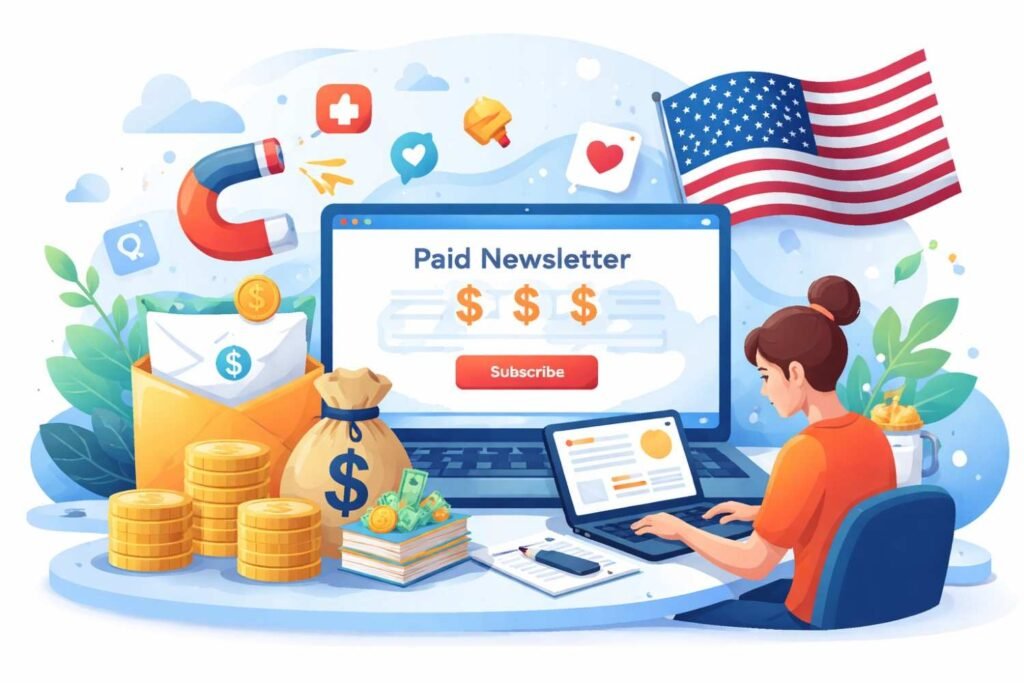
4. Offer Paid Memberships or Subscriptions
If you have a dedicated audience, offering exclusive content through a membership or subscription model can be a fantastic way to generate recurring income.
Platforms like Patreon or Substack allow you to offer premium content for subscribers who pay a monthly fee. This is perfect if you create high-value content such as in-depth guides, industry insights, or specialized resources that your audience finds valuable enough to pay for.
How to make it work for you:
- Create a tiered membership structure, where higher-paying members get access to exclusive content.
- Promote your paid content in your regular blog posts to encourage sign-ups.
- Offer additional perks like downloadable resources, one-on-one consultations, or early access to content.
5. Display Ads: Passive Income for Your Blog
Displaying ads through platforms like Google AdSense or Mediavine can bring in passive income from your blog traffic. While it’s not the most lucrative option compared to others, it’s a great side income source if you have substantial web traffic.
How to make it work for you:
- Ensure your blog has high traffic to make display ads worthwhile.
- Focus on creating valuable content that drives consistent traffic. The more visitors you have, the higher your revenue from ads.
Best Practices for Maximizing Blog Monetization

Now that we’ve covered the key monetization methods, let’s talk about a few best practices that can help you make the most of your efforts.
1. Focus on Niche Content
Focusing on a specific niche allows you to build authority in that area, making it easier to monetize. When you identify your target audience, you can create content that directly appeals to their interests and needs, making monetization easier and more natural.
2. Use High-Quality Visuals
Blog posts that include high-quality images or videos tend to have better engagement and higher conversion rates. When you’re promoting products or creating tutorials, using professional visuals can make your content more appealing and increase the chances of readers clicking through to your e-commerce store.
3. Leverage Email Marketing
Building an email list is one of the most effective ways to drive sales from your blog. By capturing your readers’ emails, you can send them updates, promotions, and product launches that encourage repeat visits and purchases.
Frequently Asked Questions
1. How long does it take to start monetizing a blog?
It can take anywhere from a few months to a year to start generating significant income, depending on factors like traffic, niche, and monetization methods.
2. Can I monetize my blog with just a small audience?
Yes! Even with a small, dedicated audience, you can monetize through affiliate marketing, selling digital products, or offering paid memberships.
3. How do I know which monetization method is right for me?
It depends on your blog’s niche, audience size, and engagement. Start with affiliate marketing or selling digital products as they’re easy to implement and scale.
Final Takeaways
Monetizing your blog for e-commerce growth is an ongoing process, but with the right strategies, you can turn your passion into a reliable revenue stream. If you are focusing on affiliate marketing, selling your own products, or leveraging sponsored content, each of these methods offers a unique way to grow your business.
By implementing these strategies and following best practices, you’ll be well on your way to monetizing your blog and boosting your e-commerce sales.