As an e-commerce business owner, one of the best ways to increase your sales is by optimizing the customer journey. While attracting new customers is essential, increasing the lifetime value of existing ones can be just as powerful. That’s where cross-selling and upselling come into play.
These two techniques are not only effective in boosting your revenue but also in enhancing the customer experience. In this guide, I’ll walk you through what cross-selling and upselling are, how they differ, and how to implement them effectively to drive more sales and improve customer satisfaction.
What Is Cross-Selling and Upselling?
Cross-Selling: Encouraging Related Purchases
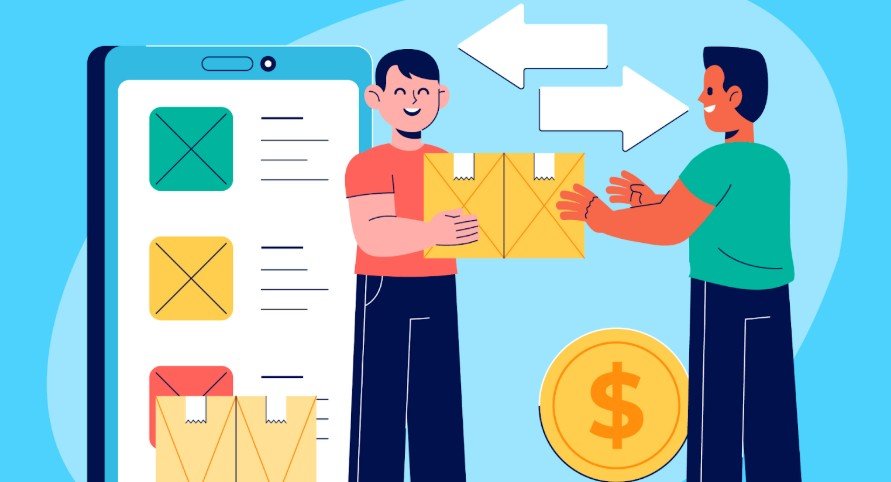
Cross-selling is a strategy where you recommend additional products to customers that complement the item they are already purchasing. This could be something that enhances the original product or fits well with it. For example, if a customer buys a laptop, you might suggest a laptop case, a mouse, or a keyboard.
The key to effective cross-selling is to offer relevant and useful suggestions that naturally align with the customer’s needs. By doing so, you add value to the customer’s purchase, which can lead to a higher average order value (AOV) and a better customer experience.
Upselling: Offering a Better Version
Upselling involves suggesting a higher-end version of the product the customer is considering. Instead of selling additional items, you’re encouraging the customer to spend a bit more for a better product. For example, if a customer is looking at a standard coffee maker, you might recommend a premium model with more features or a larger capacity.
Upselling works best when you highlight the value and additional benefits the upgraded product provides. This technique can increase your revenue per sale and provide customers with products that better suit their needs.
Why Cross-Selling and Upselling Matter
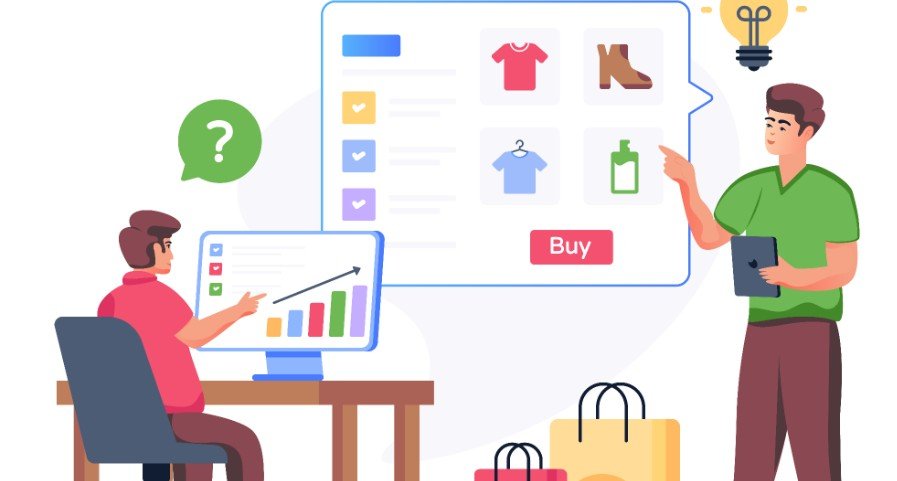
Both cross-selling and upselling are critical for increasing revenue from your existing customer base. By recommending products that complement or enhance a customer’s original purchase, you make it easier for them to find everything they need, all in one place. Plus, when done right, it doesn’t feel pushy; it adds value and convenience.
Here are a few reasons why you should consider using these techniques in your e-commerce store:
- Increase Revenue: Both techniques can lead to higher order values, increasing your average transaction size.
- Enhance Customer Experience: Offering the right products at the right time can improve customer satisfaction by providing them with a more complete shopping experience.
- Boost Customer Loyalty: When customers feel like you’re offering helpful suggestions that fit their needs, they’re more likely to return and make repeat purchases.
Effective Cross-Selling and Upselling Techniques

Now that you understand the basics, let’s dive into how to implement these techniques effectively.
1. Know Your Customer’s Needs
The first step in successful cross-selling or upselling is understanding your customers’ needs. This requires having access to the right customer data purchasing behavior, browsing history, and preferences. By using customer data platforms (CDPs), you can collect insights that help you tailor recommendations more accurately.
For instance, if a customer frequently buys tech accessories, you might recommend related items like chargers or headphones when they purchase a phone. By leveraging data, you make your suggestions more personalized, increasing the chances of a successful upsell or cross-sell.
2. Bundle Products Together
One of the most effective ways to cross-sell is by bundling products together. A bundle is a collection of products that complement each other, usually offered at a discounted price. This makes it easier for customers to purchase everything they need in one go.
For example, if someone is buying a camera, you can create a bundle with a camera bag, extra lens, and a memory card. Not only does this increase the AOV, but it also makes it convenient for the customer to get everything they need in one transaction.
3. Timing Is Everything
When to make your recommendations is just as important as what you suggest. Timing your cross-sell and upsell offers at the right moment in the customer’s journey can make all the difference.
- Before Checkout: When customers are reviewing their cart, suggest additional items that complement what they are about to buy.
- After Purchase: Send follow-up emails suggesting related products or accessories that would enhance their recent purchase.
- During Browsing: Use website run pop-up ads or banners to suggest upsell items as customers browse.
4. Offer Tiered Pricing
For upselling, tiered pricing can be an excellent strategy. When customers are presented with a price of product strategies, they often opt for the one that offers the best value. For instance, if a customer is looking at a mid-range product, you can display a high-end option with additional features, like faster shipping or extended warranties.
The key here is to emphasize the added benefits of the higher-tier product, showing customers how they’ll get more value from spending a little extra.
5. Use Social Proof and Reviews
Another powerful technique to enhance cross-selling and upselling is social proof. Displaying reviews, ratings, or testimonials of the products you are recommending can convince customers that these products are popular and well-loved by other buyers.
For example, if you’re upselling a premium version of a product, showing reviews that highlight the features and benefits can push hesitant customers toward making a purchase.
Frequently Asked Questions (FAQs)
1. What’s the difference between cross-selling and upselling?
Cross-selling suggests complementary products, while upselling encourages customers to upgrade to a higher-end version of the product they are considering.
2. How can I make cross-selling and upselling less pushy?
The key is to offer relevant products based on the customer’s needs. Avoid overwhelming them with too many suggestions, and always highlight the value of the recommended items.
3. When is the best time to upsell or cross-sell?
The best times are before checkout, during product selection, and post-purchase through email or personalized suggestions. Timing your offer when the customer is most engaged is crucial.
4. How can I track the success of my upselling and cross-selling efforts?
Track metrics like average order value (AOV), conversion rates, and customer lifetime value (CLV) to measure the effectiveness of your cross-selling and upselling strategies.
Final Takeaways
Cross-selling and upselling are two of the most effective strategies for boosting e-commerce revenue and enhancing customer experience. By understanding your customer’s needs, offering personalized recommendations, and timing your offers strategically, you can significantly increase your average order value and customer satisfaction.
Remember, when done right, these techniques don’t just increase sales they improve the overall customer experience, fostering loyalty and driving long-term growth for your business.