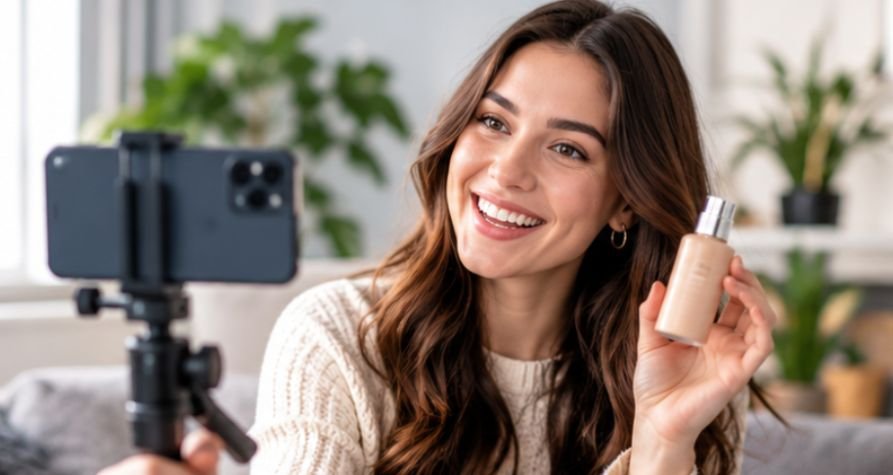
A $300 creator video could cost a brand considerably more once paid advertising, account permissions, and extended licensing enter the agreement. The difference isn’t necessarily inflated pricing. It’s the commercial value of using someone’s content to generate sales.
Understanding how to negotiate usage rights and whitelisting with UGC creators helps brands control advertising expenses while protecting creators’ intellectual property.
The strongest agreements separate production fees from distribution permissions, establish realistic licensing periods, and explain exactly how the content can be used. Here’s how to negotiate a deal that works for both sides.
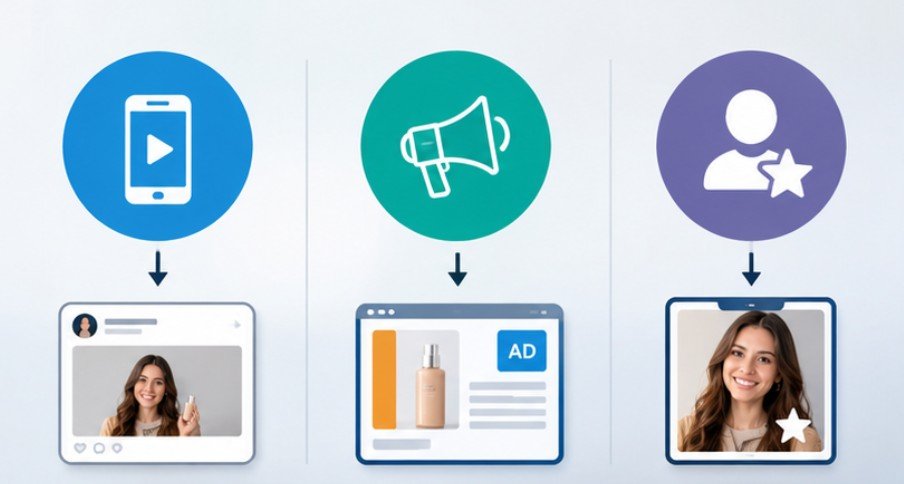
Understand the Three Levels of Creator Permissions
Before discussing pricing, brands should identify which permissions their campaigns actually require.
Organic Content Usage
Organic rights generally permit brands to publish creator content on agreed nonpaid channels, including social profiles, product pages, and email campaigns.
Some creators include limited organic usage in their production price. Others negotiate individual permissions or longer-term licensing.
Brands should clarify whether archived posts can remain publicly visible after the active licensing period ends.
Paid Advertising Rights
Paid usage allows businesses to incorporate creator content into advertisements distributed through their own advertising accounts.
Because these campaigns can reach considerably larger audiences, paid distribution usually involves additional compensation.
A common negotiating approach is purchasing advertising rights for 30, 60, or 90 days rather than requesting unlimited access.
Whitelisting and Creator Account Licensing
Whitelisting allows an advertiser to promote content through a creator’s identity using authorized advertising tools.
On Instagram and Facebook, this commonly involves partnership advertising. TikTok offers related functionality through Spark Ads.
Unlike ordinary paid content, these arrangements can associate sponsored advertisements with a creator’s profile, name, and established audience credibility.
Whitelisting deserves separate pricing because it involves additional identity permissions, account-level controls, and reputational considerations.
Importantly, authorization should occur through official platform tools, not by sharing personal account passwords.
How Much Should Brands Pay for UGC Usage Rights?
There is no universal industry rate card for creator licensing. Fees vary according to audience influence, content quality, campaign scope, advertising reach, and negotiation leverage.
Nevertheless, percentage-based pricing can help establish an initial discussion.
For a hypothetical video costing $300 to produce, consider these illustrative starting points.
Paid Advertising Licensing
A proposed monthly licensing fee of 20%–30% of production cost would equal 60–90.
Across three months, that becomes 180–270 in additional licensing expenses.
These percentages are negotiating examples, not verified market averages.
Whitelisting Permissions
A proposed monthly fee of 30%–50% would equal 90–150.
A 90-day agreement could therefore add 270–450, depending on the permissions granted.
Creators with established audiences or substantial account-related risk may request higher rates.
Exclusivity and Extended Rights
Exclusivity can justify another fee because it restricts the creator’s ability to accept competing partnerships.
A proposed 25%–50% premium might be a starting point, but actual compensation should reflect the commercial opportunities being restricted.
For unlimited commercial rights, some parties explore upfront payments equal to multiple times the production fee.
Neither approach represents an automatic entitlement or standard rate.
Five-Step Framework for Negotiating Better Agreements
Knowing how to negotiate usage rights and whitelisting with UGC creators becomes easier when both parties evaluate the same commercial variables.
Step 1: Establish the Actual Campaign Requirements
Start by identifying where the advertising will appear and how long it needs to run.
A single Instagram promotion rarely requires the same licensing package as a cross-platform campaign involving TikTok, YouTube, paid social advertising, and website placements.
Brands planning broader creator campaigns should also consider how different influencer partnerships, content formats, and promotional channels fit into their overall strategy; explore these influencer marketing strategies for US e-commerce brands for additional approaches.
Once the usage scope is clear, brands can focus on adapting creator videos into effective product-focused assets that support the customer journey; explore these strategies for turning UGC into converting e-commerce content.
Avoid purchasing permissions that the marketing team has no realistic intention of using.
Step 2: Begin With a 90-Day Test
A three-month license can provide sufficient time to evaluate advertising performance while limiting initial spending.
Brands can track engagement, conversions, customer acquisition costs, and creative fatigue before committing to longer campaigns.
For creators, a defined licensing period protects future negotiation opportunities.
Shorter pilots may be preferable for experimental campaigns.
Step 3: Negotiate Renewals Before Launch
Include an agreed renewal price and procedure in the original contract.
For example, a business purchasing 90 days of paid rights could negotiate an optional 30-day extension at a predetermined fee.
Specify when renewal must be requested and whether continued advertising requires fresh written approval.
Step 4: Offer Volume-Based Packages
Brands commissioning several videos can negotiate discounted licensing packages.
To keep multiple creator deliverables consistent with campaign goals, brands should outline the required content formats, messaging, and expectations in advance using a structured UGC content brief template for ecommerce brands.
A creator might accept a lower per-video licensing rate when receiving a guaranteed contract covering five deliverables.
However, discounts should reflect meaningful commercial benefits rather than pressure to surrender additional rights without compensation.
Step 5: Separate Account Access From Content Ownership
A whitelisting agreement should identify which advertising account receives permission and what campaign activities are authorized.
Creators should retain appropriate controls over their accounts.
Brands should understand that advertising access doesn’t automatically grant ownership of original videos, unrestricted editing permissions, or unlimited access to future posts.
Contract Clauses That Prevent Expensive Disputes

The American Bar Association’s guidance on influencer agreements identifies intellectual property, compensation, approvals, exclusivity, and termination among the important contractual considerations.
Every agreement should address these practical questions.
Licensing Duration and Distribution Channels
Specify the precise start and expiration dates, authorized platforms, advertising territories, and permitted formats.
For example, permission for Instagram advertisements doesn’t necessarily authorize television commercials or third-party marketplace advertising.
Editing, AI Alterations, and Personal Likeness
Define whether advertisers may create shorter versions, replace audio, add subtitles, or modify promotional messaging.
AI-generated voice replicas, synthetic alterations, and misleading edits deserve explicit treatment.
Creator approval should be required for substantial changes affecting personal identity or endorsement meaning.
Exclusivity and Termination
Restrict exclusivity to clearly defined competitors and reasonable periods.
A skincare creator, for example, might agree to avoid promoting competing facial serums without accepting a prohibition covering every beauty product.
Contracts should also explain payment obligations, account-access removal, and advertising shutdown procedures when agreements end.
FTC Disclosure Rules Cannot Be Negotiated Away
Advertising permissions don’t override consumer protection requirements. The FTC’s influencer disclosure guidance explains that material relationships between creators and advertisers must be disclosed when required.
Its native advertising guidance also emphasizes that commercial content shouldn’t mislead consumers about its advertising nature.
Contracts should assign responsibility for preparing disclosures, activating relevant platform labels, and checking the final advertisement.
Platform disclosure tools can help, but they don’t automatically guarantee legal compliance.
Real enforcement concerns extend beyond missing labels. In a 2025 National Advertising Division case, BBB National Programs challenged unsupported cosmetic product claims and inadequate disclosure of influencer relationships.
The lesson is straightforward: licensing approval doesn’t excuse misleading advertising claims.
A Practical Budget Test Before Signing

Imagine a beauty retailer commissioning four creator videos at $300 each.
Production costs total $1,200.
If the business negotiates paid licensing at 20% monthly for three months, the additional expense is $720.
Adding whitelisting at 30% monthly for two selected videos would cost another $540.
The combined illustrative investment becomes $2,460, excluding advertising spend and other expenses.
This calculation assumes separate paid-use and whitelisting charges. If the whitelisting fee already includes paid distribution, charging both may duplicate the same permission.
Before signing, compare licensing expenses against expected campaign value, existing content performance, and available advertising budgets.
Frequently Asked Questions
1. Can brands use UGC videos forever after paying creators?
Not automatically. Perpetual commercial usage requires appropriate ownership or licensing permissions. Brands should negotiate the scope explicitly rather than assuming payment grants unlimited rights.
2. Is whitelisting more expensive than regular paid usage?
Often, yes. Whitelisting involves the creator’s identity and authorized account permissions, potentially adding reputational risk and operational responsibilities beyond ordinary content licensing.
3. Do creators need to disclose whitelisted advertisements?
Applicable FTC disclosure requirements still apply. Brands and creators should establish clear responsibilities and ensure disclosures are visible, understandable, and appropriate for the advertisement.
4. What is the safest way to extend UGC licensing?
Agree on renewal fees, timelines, and authorization procedures upfront. Obtain written confirmation before the existing license expires or additional advertising begins.
The Best Creator Deals Protect Both Sides
Learning how to negotiate usage rights and whitelisting with UGC creators isn’t about securing the broadest permissions for the lowest possible price. It’s about matching commercial access to genuine campaign requirements.
Brands benefit from predictable licensing expenses, defined advertising permissions, and straightforward renewal options. Creators gain fair compensation, control over their identities, and protection against unauthorized distribution.
Neither side benefits from vague agreements promising unlimited usage without explaining what that means.
Before approving your next UGC campaign, separate creation costs, paid advertising permissions, and account licensing into clearly priced terms.
A well-negotiated agreement should make the next successful campaign easier to launch, not harder to manage.