When I discover a museum online, beautiful exhibit photographs catch my attention, but watching someone solve a mystery or create something makes me imagine visiting. That distinction shapes how I approach how to promote interactive museum experiences: show people what they can do, then make planning their visit easy.
For museums competing with weekend festivals, movie theaters, and backyard gatherings, “interactive” needs a clear explanation. Parents want to know whether children can participate. Teachers need educational relevance. Adults want experiences worth sharing with friends. Effective promotion connects those expectations with specific activities and a straightforward booking process.
Build Your Campaign Around the Visitor
1. Define the Experience Before Choosing Channels
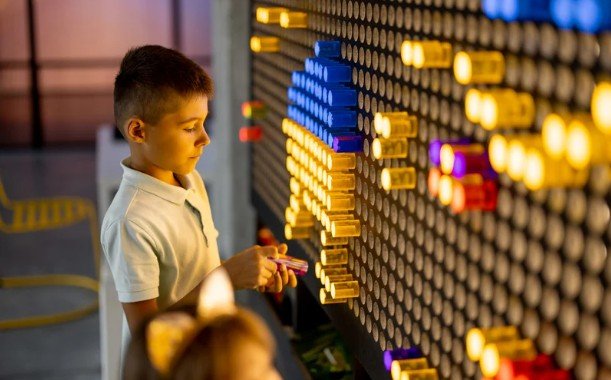
Describe the activity in everyday language. Instead of advertising an “immersive interpretive installation,” explain that visitors can reconstruct a dinosaur skeleton, record an oral history, or solve an artifact mystery.
Distinguish hands-on exhibits from augmented reality activities, scavenger hunts, participatory installations, and virtual workshops. Each offers different benefits.
Choose one primary campaign outcome, such as increasing Saturday reservations or generating school field-trip inquiries. A clear objective helps your team prioritize content and evaluate results.
2. Match Your Message to Specific Audiences
Families, educators, tourists, members, and adult visitors need different reasons to attend.
For parents, highlight age suitability, shared activities, and visit length. For teachers, explain learning objectives, grade levels, group capacity, and booking procedures. For tourists, emphasize location and what makes the experience distinctive.
Promote adult workshops through their creative or social appeal. Invite members through previews or relevant program updates. Use visitor surveys, past bookings, and conversations with front-desk staff to test your assumptions.
Make Discovery Lead Naturally to Booking
3. Create a Dedicated Exhibit Page
A social post should lead directly to the featured experience rather than a homepage that requires more searching.
Include opening dates, admission details, operating hours, recommended ages, estimated duration, and reservation requirements. Explain whether the experience is included with general admission.
Describe wheelchair access, seating, sound levels, stroboscopic effects, and available sensory accommodations accurately. Practical details help visitors decide whether the experience suits their group.
Use one prominent action, such as “Reserve Your Visit,” and check the complete booking process on a phone.
4. Connect Your Content With Local Searches
Give each exhibit page a descriptive title and useful headings. Include your city naturally where location matters, such as “hands-on science activities in Philadelphia.”
Link relevant articles, event listings, and family guides to the exhibit page. Keep museum hours, address, and ticket information consistent across your website and local business profiles.
Write image descriptions that explain what is pictured. Publish supporting content that answers real questions, including rainy-day activities, school-break plans, and accessible museum visits.
Show Participation Before Asking for Attendance
5. Film Short Demonstrations
Capture the experience in action: a visitor adjusts a lever, makes a prediction, or watches their creation respond.
Build each short video around one understandable moment. Show the activity, the result, and the visitor benefit. Add captions so viewers can follow without sound.
Behind-the-scenes clips can introduce exhibit builders, educators, and curators. Their explanations give the experience a human story. Finish with relevant visit information and a direct booking link.
6. Turn Social Content Into a Preview
Let audiences participate before arriving. Post a collection-related quiz, invite followers to choose a demonstration, or share a mystery object with descriptive clues.
The practical answer to how to promote interactive museum experiences is to make the promotion reflect the participation visitors can expect. The same principle applies when you market holiday light shows to local families: show what guests can explore, enjoy, and experience together.
Connect each activity with the exhibit. A historical invention quiz could introduce a weekend engineering challenge. Provide text alternatives for visual puzzles, and distinguish free online participation from activities requiring admission.
7. Share Visitor Stories With Permission
Visitor photographs and reactions can help prospective guests picture themselves participating.
Ask permission before reusing content, agree on its intended use, and credit creators appropriately. Follow museum policies for images featuring children.
Feature different ages, backgrounds, and ways of engaging with exhibits. Pair images with specific observations: what someone tried, discovered, or enjoyed. Genuine experiences provide more useful information than unsupported claims that everyone will love the attraction.
Reach People Through Trusted Local Connections

8. Work With Community Partners
Build partnerships with libraries, school districts, neighborhood organizations, hotels, tourism offices, and local businesses.
Give partners ready-to-share materials: a concise description, approved photographs, accessibility information, and a relevant landing-page link. Tailor the message to their audience.
Consider local parent creators or educators whose followers match your visitors. Evaluate audience relevance and content quality alongside follower counts. Arrange clear expectations and appropriate sponsorship disclosures for compensated collaborations.
9. Coordinate Email, Events, and Advertising
Use email segments to share relevant invitations with families, teachers, members, and previous program attendees.
Create a manageable launch sequence: introduce the activity, demonstrate participation, answer planning questions, and send a timely invitation. Offer educator previews or small community launch events when staffing allows.
Live demonstrations and virtual workshops can extend participation beyond the building. If using paid advertising, begin with a defined local audience, one experience, and a clear booking goal. Set spending limits before launching.
Measure Visits Alongside Engagement
10. Track the Path From Interest to Attendance
Use tagged campaign links to distinguish email, partner, social, and advertising traffic. Track exhibit-page visits, booking starts, completed purchases, and group inquiries.
Compare campaign costs with attributable bookings where your systems support reliable tracking. Review results alongside seasonality, capacity, and school calendars.
Start small: one exhibit page, a few demonstration videos, an email, and selected partners. Expand the activities that produce relevant inquiries or reservations. Collect visitor feedback to identify gaps between promotional promises and the actual experience.
Frequently Asked Questions
1. How to promote interactive museum experiences on a small budget?
Start with existing resources: staff demonstrations, permission-based visitor content, segmented email, and library partnerships. Direct every campaign to a useful exhibit page.
2. Which details should museum promotions include?
Include the activity, location, dates, price, age suitability, duration, accessibility information, and reservation requirements. Make the next step clear.
3. What should museums measure beyond social engagement?
Track completed bookings, school inquiries, booking completion rates, and campaign costs. Social reactions can indicate interest, but they do not establish attendance.
Make Curiosity the Start of a Visit
I believe successful museum promotion begins with an honest, specific invitation. I would rather show someone building, questioning, or discovering than rely on an impressive-sounding description.
Start with one experience, explain who it suits, and remove the practical obstacles to visiting. Then use audience feedback and booking results to improve your approach. That creates a stronger connection between the story people encounter online and the experience they enjoy inside.