
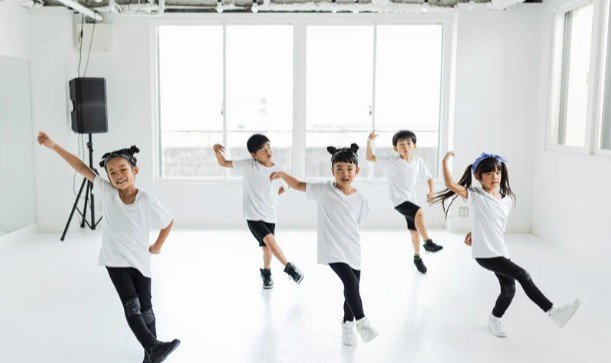
I’m more interested in a dance performance when I understand the people and purpose behind it. A beautiful poster can catch my attention, but a dancer explaining a difficult rehearsal gives me a reason to remember the show.
That is why I approach promoting dance performances through storytelling as an invitation to connect. Before asking someone to buy a ticket, I want to show them why the performance matters.
For ballet companies, contemporary ensembles, cultural dance organizations, and neighborhood studios, this approach can make promotion more personal. The goal is to connect artistic meaning with a clear invitation to attend.
Start With the Audience You Want to Reach
A family considering a Saturday matinee needs different information from a regular theatergoer exploring contemporary choreography.
Identify who the performance serves and what might interest them. Parents may connect with stories about confidence and teamwork. Arts supporters might appreciate the choreographer’s inspiration. First-time attendees may need reassurance that they can enjoy the experience without understanding dance terminology.
Connect the Theme to Everyday Life
Describe recognizable emotions such as belonging, perseverance, joy, or change. Explain how those themes appear in the production without telling viewers exactly what they must feel. For an abstract work, the creative question behind the choreography can provide an engaging starting point.
Build Your Campaign Around One Clear Story
Choose a central idea that can guide your website, emails, interviews, and social content. Perhaps an ensemble is preparing its first full-length production. A choreographer might be revisiting childhood memories. A community recital could celebrate dancers learning to trust one another.
Give the campaign a person, a challenge, and meaningful stakes. Then connect that journey to the upcoming performance. Avoid inventing hardship or overstating personal experiences. Obtain permission before sharing private details, and represent cultural traditions with appropriate context and credit.
Show the People Behind the Performance
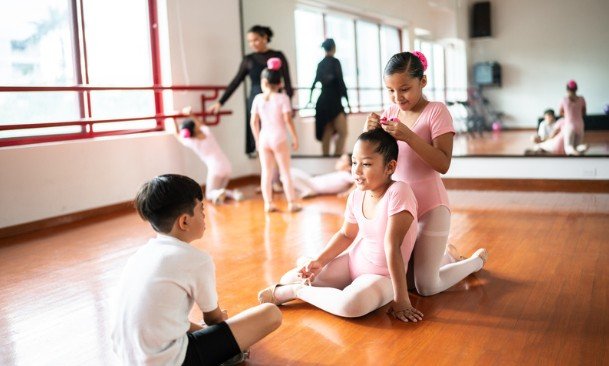
Polished stage footage reveals the result. Rehearsal stories help audiences understand the effort behind it.
Introduce dancers through specific moments rather than generic biographies. Ask what surprised them about the choreography, which movement required patience, or what they hope audiences notice.
Turn Rehearsal Footage Into a Miniature Story
Start with a challenge, show the process, and finish with progress.
A short video could follow two dancers refining a difficult transition. Add a brief explanation of what changed and why it matters.
Captions should identify the performers and provide context. Include readable subtitles so viewers can follow spoken content without sound.
Adapt Your Story Across Different Channels
Effective promoting dance performances through storytelling gives each channel a purpose while maintaining a consistent message.
On Instagram or TikTok, introduce one compelling moment through a short video. In an email, expand on the dancer’s perspective. On your website, explain the production and provide booking information.
Photographs can also carry a narrative. Instead of identifying a costume fitting, describe how the design supports the production’s mood or movement.
Choose channels your audience uses and your team can maintain consistently. A manageable campaign creates more opportunities for conversation.
Build Anticipation With a Four-Week Campaign

A sequence helps people discover the production gradually.
Four Weeks Before: Introduce the Purpose
Share the central theme and explain why the company chose this work. Publish a short choreographer interview and introduce the performance page. These behind-the-scenes stories can also inspire content ideas for promoting family entertainment centers, helping families discover the people and creativity behind an upcoming show.
Three Weeks Before: Reveal the Process
Feature rehearsal challenges, dancer perspectives, or costume development. Invite questions about the creative process.
Two Weeks Before: Show the Experience
Release a focused trailer and explain what attendees can expect. Mention running time, intermission, and whether the performance suits younger children.
Final Week: Make Attendance Easy
Combine a meaningful rehearsal update with a direct booking invitation. State dates, curtain times, venue details, and ticket availability accurately.
Involve Your Local Community
Connect the performance with people who already bring your community together.
Neighborhood libraries, school arts programs, independent cafés, community centers, and local arts newsletters may welcome a relevant story.
Offer partners something useful, such as a short dancer interview, rehearsal photograph, or production introduction. Provide an accurate event description and ticket link they can share.
Invite performers and families to become ambassadors without pressuring them. Supply optional captions and approved images. Seek appropriate permission before featuring children, and keep participation voluntary.
Turn Interest Into Ticket Purchases

Your performance page should answer practical questions.
Include the venue address, performance schedule, ticket prices, seating arrangements, parking options, transit access, and accessibility information. Explain age guidance and sensory considerations where relevant.
Place an obvious booking button near the story and repeat it after essential event details.
Use descriptive page titles and headings that identify the production, dance company, and location naturally. An emotional campaign still needs clear information that helps local audiences recognize whether the event fits their plans.
Measure Results and Keep the Conversation Going
Track more than views and likes. Use tagged campaign links and ticketing reports to compare website visits, booking activity, and completed purchases.
Artist-specific promotional codes can provide another signal, although they will not capture every influence on a purchase.
If you use paid promotion, consider testing content that already attracts relevant interest. After the show, invite feedback and share approved audience reactions. These responses can inform future campaigns and help newcomers understand the experience.
Frequently Asked Questions
1. What does promoting dance performances through storytelling involve?
It means using artist perspectives, rehearsal journeys, and production themes to help audiences connect emotionally before inviting them to attend.
2. Can a small studio create an effective campaign?
Yes. One clear story, consistent phone footage, permission to feature participants, and a straightforward ticket page provide a practical starting point.
3. Does every dance performance need a literal narrative?
No. Abstract choreography can be introduced through its inspiration, creative process, movement choices, or emotional questions without assigning a fixed interpretation.
Give Your Audience a Reason to Care
I believe promoting dance performances through storytelling works best when the invitation feels personal and honest. I would begin with one meaningful story, share it consistently, and make attending straightforward. That gives audiences both an emotional connection and a practical next step.