I’ve had workdays when coffee replaced breakfast, meetings swallowed my lunch break, and I didn’t realize how hungry I was until late afternoon. Between deadlines, emails, and unexpected responsibilities, eating can easily become an afterthought.
Learning how to stop skipping meals during busy workdays starts with one simple change: stop waiting for free time and start making meals part of your schedule.
Whether you’re working in a corporate office, managing a remote job, or handling unpredictable shifts, these practical habits can help you eat more consistently without spending hours preparing food.
Why Do Busy Professionals Keep Forgetting to Eat?
Busy professionals often skip meals because work takes priority over simple personal daily routines. Back-to-back meetings, long commutes, tight deadlines, and workplace stress can make regular eating difficult.
When you’re deeply focused, you might overlook hunger cues or postpone eating until you feel exhausted. Stress can also affect appetite differently from person to person.
Regularly missing meals may contribute to fatigue, irritability, difficulty concentrating, or trouble meeting nutritional needs.
Fortunately, healthy eating during busy workdays doesn’t require a complicated diet. It requires convenient food, realistic scheduling, and flexible habits.
8 Practical Ways to Avoid Skipping Meals at Work
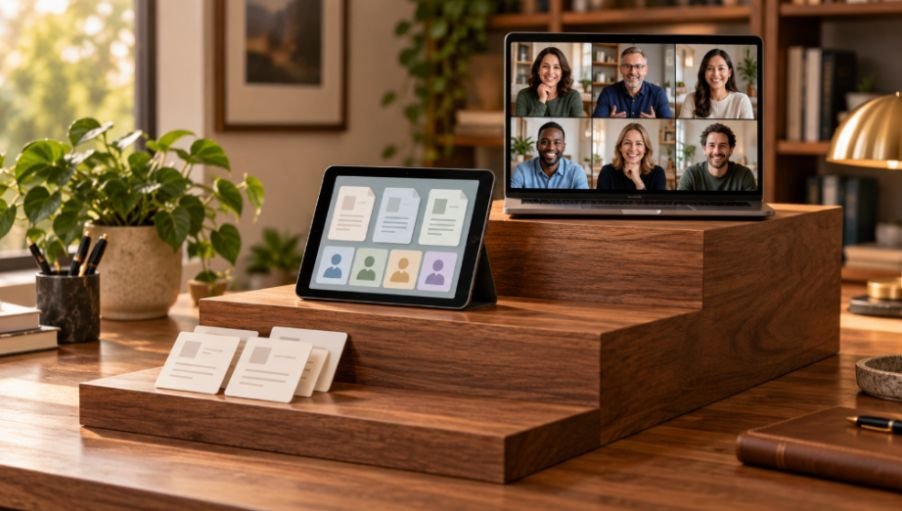
1. Block 30 Minutes for Lunch on Your Work Calendar
I find that treating lunch like an important meeting makes it harder to overlook.
Schedule a recurring 30-minute lunch break and, if useful, a 10-minute afternoon snack break. Protect these windows whenever your responsibilities allow.
If meetings regularly interrupt your schedule, keep an alternative lunch window available.
You can also set a phone alarm labeled “Step away and fuel up.”
Rather than waiting until you’re extremely hungry, use reminders to check your appetite and make time for food.
2. Prepare No-Cook Lunches That Take Under Two Minutes

Easy meal prep for work lunches doesn’t have to involve cooking.
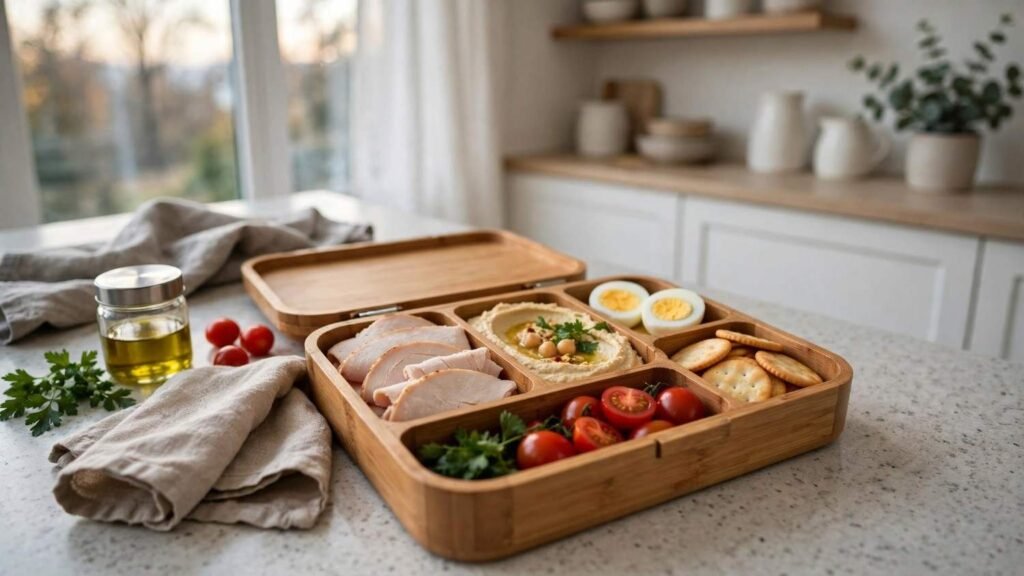
I like preparing an adult Lunchables-style bento box with sliced turkey or tofu, hummus, hard-boiled eggs, cherry tomatoes, and whole-wheat crackers.
Prep the ingredients ahead of time, refrigerate perishables, and grab the container before leaving home.
Prewashed salad greens, precooked grain pouches, canned beans, and rotisserie chicken also make lunch assembly easier.
The goal is to eliminate unnecessary preparation when you’re already overwhelmed.
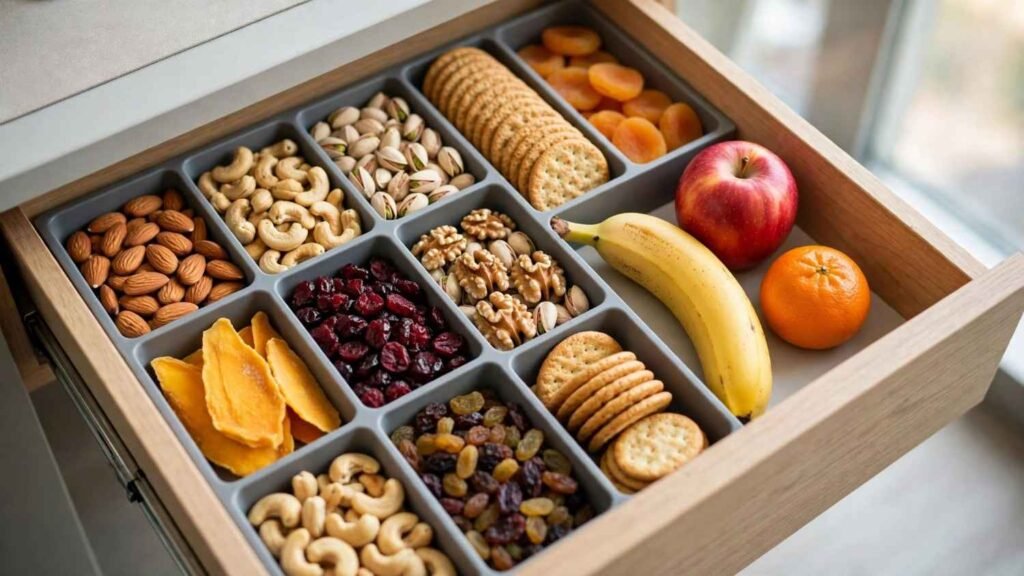
3. Keep Emergency Snacks in Your Desk Drawer
Healthy snacks for office workers provide a convenient backup when meetings run long.
I recommend storing mixed roasted nuts, seeds, roasted chickpeas, edamame snacks, nut butter packets, and whole-grain crackers.
Tuna or salmon pouches and suitable protein bars are additional shelf-stable options.
For a satisfying snack, try combining fiber-rich carbohydrates with protein or healthy fats, such as an apple with peanut butter.
These foods can help bridge unexpected gaps between meals, although snacks don’t always replace a complete lunch.
4. Use Protein Shakes and Smoothies When Necessary
Sometimes, even a prepared lunch feels inconvenient during an unusually demanding day.
Ready-to-drink protein shakes and Greek yogurt smoothies can serve as occasional backup options.
Choose products based on their overall nutrition, including protein, fiber, added sugar, and your individual dietary needs.
Keep refrigerated beverages properly chilled.
Although liquid options can be convenient, I wouldn’t rely on them as a permanent substitute for balanced meals and actual breaks.
5. Create a Screen-Free Eating Environment
One habit I strongly recommend is stepping away from your laptop during lunch.
Eating while answering emails or scrolling through work messages can make it harder to pay attention to hunger, satisfaction, and the meal itself.
Instead, move to a breakroom, kitchen table, or outdoor seating area for 15 minutes whenever possible.
Close your laptop, silence unnecessary notifications, and focus on eating.
A screen-free lunch can also provide a welcome mental break during a demanding workday.
6. Prepare Quick Breakfasts Before Busy Mornings
If mornings feel rushed, prepare breakfast ingredients the night before.
Overnight oats, Greek yogurt with berries, peanut butter toast, or an egg sandwich are convenient choices.
I also like keeping bananas, whole-grain bread, and nut butter available for unexpected schedule changes.
These quick meals for busy professionals require minimal effort and make breakfast more accessible.
According to Cleveland Clinic, planning and preparing ingredients ahead of time can simplify everyday meals.
7. Adjust Meal Times Around Meetings and Shift Work
Learning how to stop skipping meals during busy workdays requires flexibility, particularly if you work in healthcare, retail, hospitality, or another demanding industry.
When possible, coordinate meal breaks with coworkers or supervisors and prepare portable foods for unpredictable schedules.
Pack sandwiches, grain bowls, or prepared salads in an insulated lunch bag.
The USDA recommends keeping perishable packed foods cold using appropriate insulation and cold sources.
If your regular lunch break gets interrupted, use a backup meal window rather than abandoning lunch altogether.
8. Build a Consistent Routine Without Being Too Strict
Consistency matters more than perfection.
I suggest identifying which meal you skip most frequently and creating one manageable solution.
If lunch is the problem, prepare it the night before. If you forget breakfast, keep ready-to-eat ingredients available.
You can also connect meals with existing habits, such as finishing a morning meeting or taking your scheduled work break.
As UT Physicians explains, having convenient meal and snack options can make regular eating easier.
What Is a Realistic Eating Schedule for a 9-to-5 Workday?
A typical office worker might eat breakfast around 7:30 a.m., lunch at 12:30 p.m., an optional snack at 3:30 p.m., and dinner around 6:30 p.m.
This is simply an example, not a schedule everyone must follow.
Your ideal routine depends on your appetite, workload, activity level, and personal health needs.
What Should You Do If You Already Skipped Lunch?

If I accidentally miss lunch, I focus on eating something satisfying when I get another opportunity.
A turkey sandwich, yogurt with fruit, or a rice-and-bean bowl can be a practical option. Just as choosing minimalist wardrobe essentials for working women can simplify busy mornings, keeping easy meal options available can reduce daily decisions and make healthy eating more manageable.
I avoid feeling guilty or deliberately restricting food later. Instead, I consider what interrupted my meal and how I can prevent the same problem tomorrow.
Frequently Asked Questions (FAQs)
1. How Can I Remember to Eat When I’m Busy at Work?
Schedule lunch breaks, set phone reminders, and keep convenient meals available. Linking meals to existing routines can also help you remember them.
2. Is Skipping Lunch Every Day Bad for Your Health?
Frequently skipping lunch may make it difficult to meet your nutritional needs or maintain comfortable energy levels. Effects vary depending on overall diet and individual health.
3. What Are the Best Healthy Snacks for Long Workdays?
Mixed nuts, roasted chickpeas, fruit with nut butter, whole-grain crackers, and protein-rich yogurt are convenient choices.
4. How Can I Avoid Skipping Meals Without Meal Prepping?
Keep ready-to-eat ingredients, prewashed vegetables, portable snacks, and simple grocery-store meals available. You can also establish flexible eating reminders.
Final Thoughts
I’ve learned that stopping meal skipping during busy workdays isn’t about following a perfect eating schedule. It’s about making food accessible and giving meals a consistent place in daily life.
Whether you start with a recurring lunch reminder, a no-cook meal box, or a screen-free break, small improvements can make healthy eating easier.
Your work deserves attention, but so do your nutritional needs. Start with one manageable habit and build a routine that works for you.