I can sit down to watch a show with no plans to buy anything, then find myself searching for a jacket, kitchen gadget, or skincare product before the episode ends. Sometimes an advertisement catches my attention. Other times, a creator makes a product look useful.
That everyday shift explains how streaming platforms influence online shopping habits. Entertainment creates opportunities for discovery, while smartphones make research and purchasing available immediately. For American shoppers, the journey from watching to buying can happen across several screens, platforms, and shopping sessions.
Streaming TV and Live Shopping Work Differently
Streaming entertainment and livestream shopping overlap, but they create different buying experiences.
On streaming TV, viewers usually arrive for movies, series, or sports. Shopping may follow an advertisement or interest in something onscreen. The purchase often happens elsewhere, after a search or conversation.
During a shopping livestream, products are central to the experience. A host demonstrates items, answers questions, and directs viewers toward purchase links.
Understanding this difference matters. Someone browsing Amazon during a football game is behaving differently from someone watching a live demonstration to evaluate headphones.
Entertainment Turns Products Into Discoveries
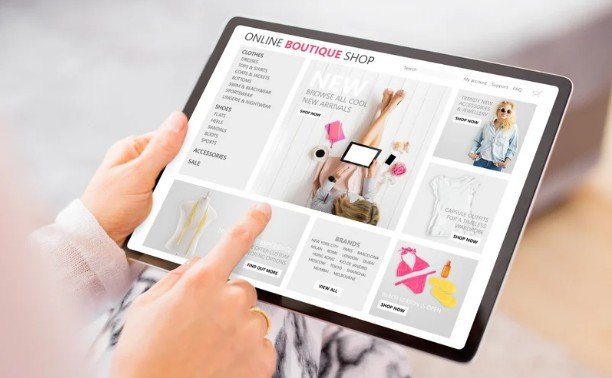
Traditional online shopping often starts with a need: replace running shoes, find a birthday gift, or buy coffee. Streaming introduces another starting point: noticing something appealing while being entertained.
A cooking video can introduce unfamiliar cookware. A home makeover can inspire a search for lighting. A creator’s travel stream can make a compact backpack feel relevant.
These moments give products context. Instead of seeing isolated specifications, shoppers see how an item might fit into everyday life. Exploring these everyday connections can also help you find content ideas your competitors missed.
However, visibility does not guarantee a purchase. Price, availability, delivery dates, and competing alternatives still shape the decision.
Why Context Helps Shoppers Picture Ownership
Demonstrations make practical details easier to understand. Watching someone fold a stroller or organize a small apartment can reveal information that product photographs leave unclear.
For brands, the opportunity is to answer real questions through content. Showing dimensions, limitations, and realistic applications gives interested viewers something useful to evaluate.
Second-Screen Shopping Shortens the Research Journey
Many households watch entertainment on a television while keeping a phone nearby. That combination makes acting on curiosity convenient.
A viewer might see an advertisement, search the brand, compare prices at Target and Walmart, read customer reviews, and save the product for later.
This is a central part of how streaming platforms influence online shopping habits: discovery and research can occur together rather than on separate occasions.
Still, shopping while streaming does not prove that streaming caused the purchase. Someone may simply be reordering groceries during a familiar sitcom. Brands should distinguish simultaneous activity from evidence of advertising influence.
Creators and Live Chat Shape Buying Confidence

A familiar creator can make product information feel approachable. Viewers may understand the creator’s preferences, recognize their routines, and know whether their recommendations generally match their own needs.
Live interaction adds another layer. Shoppers can ask whether a fabric stretches, how loud a blender sounds, or whether an accessory fits a particular device.
Other viewers also contribute opinions and questions. Helpful discussion can reveal practical concerns that a scripted advertisement misses.
Trust Needs More Than Familiarity
A friendly presentation cannot establish product quality by itself. Shoppers still benefit from independent reviews, clear return policies, and transparent sponsorship disclosures.
For retailers, credibility grows when hosts acknowledge drawbacks and explain who should consider another option. Honest qualification helps viewers make better decisions.
Shopping Links Reduce Effort at Peak Interest
Product links, pinned offers, and scannable codes can make the next step easier when they are available.
Instead of remembering an unfamiliar brand name, a viewer can open the relevant product page immediately. That reduces the effort involved in finding the item.
The destination still matters. Slow pages, unclear sizing, unexpected shipping fees, or confusing checkout steps can interrupt the journey.
A strong experience carries the demonstration’s information forward. Viewers should find the same product, an accurate price, useful details, and clear fulfillment expectations.
Limited Offers Can Encourage Impulse Purchases

A countdown or exclusive promotion can make an optional purchase feel urgent. During a lively stream, audience excitement may increase that pressure.
For some shoppers, the offer simply accelerates a planned purchase. For others, it encourages spending they had not considered.
A fictional example illustrates the difference: a shopper planning to buy a $40 sweatshirt may welcome a discount. Someone buying three unrelated items to unlock that discount may spend more overall.
Useful shopping content should explain this tension rather than presenting every quick purchase as a positive outcome.
The Influence Continues After the Stream
Interest does not always become an immediate sale. Viewers may revisit a saved link, discuss a purchase with family, wait until payday, or compare competing products.
They may also experience disappointment after buying. An item might look different at home, feel unnecessary, or exceed the original budget.
Retailers should therefore examine more than clicks and checkout totals. Returns, customer questions, repeat purchases, and post-purchase feedback help reveal whether streaming attracted suitable customers.
Frequently Asked Questions
1. How does knowing how streaming platforms influence online shopping habits help small brands?
It helps brands create relevant demonstrations, anticipate questions, and improve the pages viewers visit afterward.
2. Does every streaming service offer direct shopping?
No. Purchase routes vary. Viewers may follow links, scan codes, or search independently on another device.
3. Can streaming encourage overspending?
Yes. Urgent offers and audience excitement can encourage unplanned purchases. Comparing prices and pausing before checkout can help.
A More Thoughtful Way to Watch and Shop
I see streaming as a convenient bridge between entertainment and shopping. It can introduce useful products and make research easier, but convenience deserves a little reflection.
Before buying, I would check the total price, product details, and return policy. For brands, my takeaway is practical: earn attention with engaging content, then support the purchase with accurate information and a dependable shopping experience.