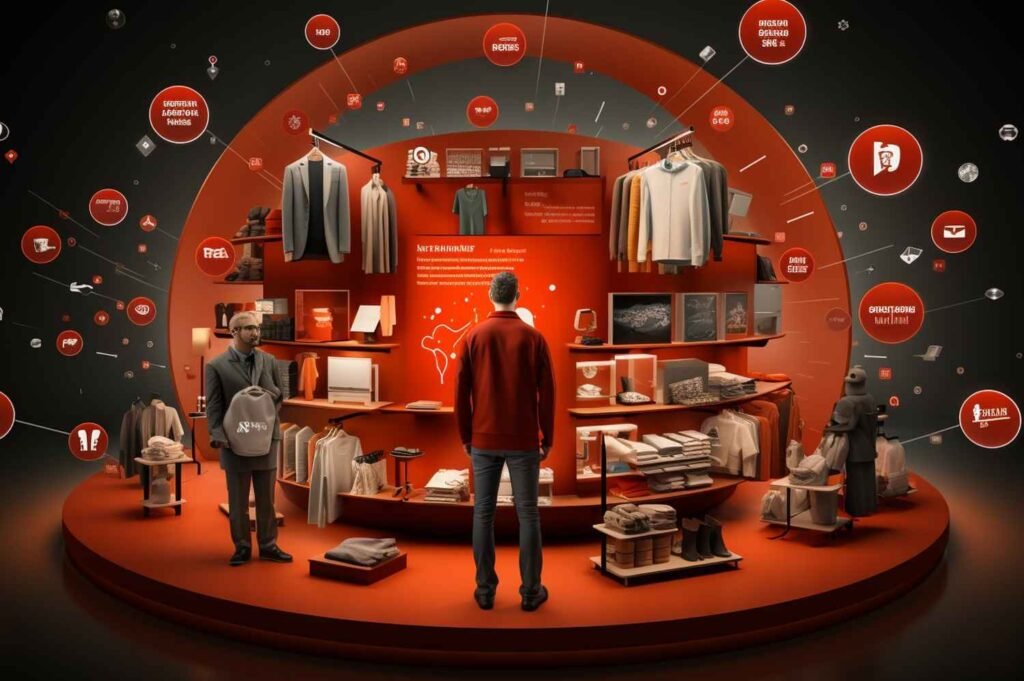

A shopper who tells a brand exactly what they want is more valuable than one whose preferences must be guessed from browsing behavior. That simple advantage explains why zero party data quiz examples for ecommerce are gaining attention among online retailers.
Instead of relying entirely on tracking technology, businesses can ask customers about their preferences, budgets, and shopping goals. The reward is immediate: personalized product recommendations that make purchasing decisions easier.
From skincare consultations to interactive fashion assessments, successful quizzes do more than collect information. They create a shopping experience customers actively participate in.
What Is a Zero-Party Data Quiz in Ecommerce?
A zero-party data quiz is an interactive questionnaire through which shoppers intentionally share information with a brand in exchange for personalized recommendations, useful advice, or a more relevant shopping experience.
Unlike behavioral data inferred from website visits, zero-party data comes directly from customers.
For example, an online skincare retailer might ask whether someone prefers fragrance-free products, has oily skin, or wants a simple three-step routine. Those answers can determine which products appear on the results page.
The distinction matters because voluntarily sharing preferences does not automatically authorize every future use of that information. The National Institute of Standards and Technology’s Privacy Framework encourages organizations to identify data-processing activities, assess privacy risks, and develop appropriate safeguards.
For ecommerce businesses, the opportunity is to make personalization useful without collecting unnecessary information.
Five Zero Party Data Quiz Examples for Ecommerce Brands
Several established retailers demonstrate how interactive assessments can simplify product discovery while generating valuable customer insights.
1. Evereden: Fragrance Discovery Through Personality

Beauty brand Evereden uses a fragrance personality quiz to connect shoppers with products that reflect their preferences.
Rather than requiring customers to understand complicated fragrance terminology, the experience explores lifestyle choices, sensory preferences, and personality characteristics.
Participants receive a personalized fragrance profile and product match.
According to ecommerce personalization provider Digioh, the approach also helps Evereden develop customer segments for more relevant marketing.
Why it works: Fragrance is difficult to evaluate online. Personality-based questions provide an approachable alternative to testing scents in person.
2. Bed Threads: Matching Bedding With Interior Preferences
Australian bedding retailer Bed Threads demonstrates how quizzes can reduce uncertainty around home decor purchases.
Its interior styling assessment explores preferred colors, bedroom aesthetics, and design combinations before recommending suitable bedding.
According to customer marketing platform Okendo, Bed Threads reported a 17% quiz conversion rate and a 25-times return on investment.
These are vendor-reported results rather than independently verified industry benchmarks, but they illustrate the commercial potential of guided product discovery.
Why it works: Customers can visualize coordinated products instead of evaluating individual colors and materials separately.
3. Stitch Fix: Turning Style Preferences Into Continuous Feedback
Fashion retailer Stitch Fix takes a different approach through its Style Shuffle feature.
Customers give clothing images a thumbs-up or thumbs-down, helping the company refine recommendations over time.
In August 2022, Stitch Fix reported that Style Shuffle had generated 10 billion interactions since its 2018 introduction.
The company explained that these responses help its recommendation systems identify preferred styles and avoid unwanted clothing.
Why it works: Fashion preferences evolve. Regular feedback can provide a more current picture than a questionnaire completed months earlier.
4. Nutrition Brands: Finding Products Based on Lifestyle Goals
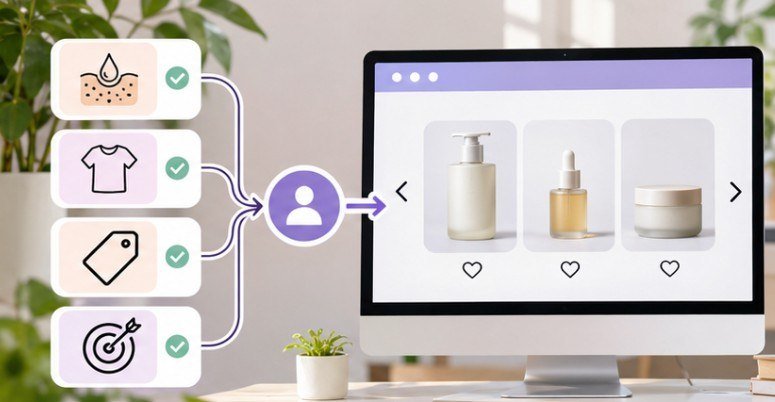
Nutrition brands can use product-finder quizzes to understand dietary preferences, shopping priorities, and supplement formats.
For example, a hypothetical protein retailer could ask whether shoppers prefer plant-based products, avoid dairy, or prioritize convenience.
The answers could lead to different product collections or subscription recommendations.
However, nutrition quizzes should avoid turning general lifestyle responses into unsupported medical recommendations.
Why it works: Customers can filter complicated product catalogs without interpreting every ingredient label themselves.
5. Kopari: Building a Personalized Skincare Routine
Beauty retailers such as Kopari illustrate another useful quiz category: skincare product matching.
A routine finder can ask shoppers about dryness, sensitivity, preferred textures, and daily skincare habits.
A customer selecting fragrance-free products and a minimal routine might receive different suggestions from someone interested in a complete body-care collection.
Why it works: The quiz organizes multiple products around one customer goal, potentially improving product relevance and simplifying bundle selection.
Questions That Make an Ecommerce Quiz Worth Completing
The most useful questionnaires focus on decisions that influence recommendations.
For many product categories, three to six thoughtfully chosen questions provide a sensible starting point, although more complex purchases may require additional detail.
Consider these five questions:
- Who are you shopping for? Distinguishes personal purchases from gifts.
- What are you trying to accomplish? Identifies the customer’s primary goal.
- Which features matter most? Reveals practical requirements and preferences.
- What is your preferred budget? Eliminates unsuitable product suggestions.
- When do you expect to purchase? Helps distinguish immediate buyers from early researchers.
A coffee subscription brand, for instance, might replace the final question with how frequently customers consume coffee.
That information supports more relevant delivery recommendations.
The guiding principle is simple: every question should improve the shopping experience.
How to Build a Quiz That Produces Useful Results
A successful quiz needs more than attractive graphics and a collection of questions.
Step 1: Choose One Clear Shopping Problem
Identify the decision customers struggle to make.
Examples include selecting the correct clothing size, finding suitable skincare products, or choosing compatible home accessories.
Build the quiz around resolving that uncertainty.
Step 2: Connect Answers to Product Attributes
Create recommendation rules using product information such as price, color, material, size, and intended use.
A shopper requesting cotton bedding under $150 should not receive recommendations that ignore those preferences.
Step 3: Present Results Before Requesting Contact Details
Display personalized recommendations immediately whenever possible.
Offer customers the option to save their results through email rather than requiring contact information to see them.
Use clearly labeled answer fields and accessible controls, following the World Wide Web Consortium’s form accessibility guidance.
Step 4: Connect Results With Customer Marketing

Platforms such as Klaviyo and Attentive can support personalized follow-up campaigns when integrations and permissions are configured correctly.
For example, shoppers interested in minimalist clothing could receive relevant collection updates instead of unrelated promotions.
Commercial email campaigns must follow applicable requirements outlined in the FTC’s CAN-SPAM compliance guidance.
Step 5: Measure Purchases, Not Just Participation
Track quiz starts, completions, recommendation clicks, and completed purchases.
Suppose 1,000 visitors begin a quiz, 600 finish, and 48 completers purchase.
The completion rate is 60%, while the purchase rate among completers is 8%.
These figures are illustrative, not industry benchmarks.
Compare outcomes against similar visitors who did not take the quiz, ideally through controlled testing, before attributing additional sales to personalization.
Privacy Mistakes That Can Undermine Customer Trust
Collecting information directly does not eliminate privacy responsibilities.
The FTC’s business data protection guidance recommends collecting only information that serves a legitimate business need and retaining it only as necessary.
Retailers should explain how quiz answers will be used, provide appropriate marketing choices, and avoid requesting sensitive information without a clear purpose.
Quizzes involving children require particular care. The FTC’s COPPA compliance guidance describes additional obligations for covered services collecting personal information from children under 13.
Another common mistake is assuming every catalog needs a quiz. Stores selling straightforward, inexpensive products may benefit more from better search filters and clearer descriptions. Personalization should reduce effort, not create another obstacle.
Frequently Asked Questions
1. What is the main benefit of zero-party data quizzes?
They help retailers understand customer preferences directly, deliver more relevant product recommendations, and reduce uncertainty during online shopping.
2. How many questions should an ecommerce product quiz contain?
Three to six questions is a practical starting point. More complicated products may require longer assessments, provided each question improves the recommendation.
3. Can zero-party data quizzes improve ecommerce conversions?
Yes, they can improve product discovery and purchase confidence. Actual conversion improvements depend on quiz relevance, recommendation quality, audience, and implementation.
4.Do shoppers need to provide email addresses to complete quizzes?
No. Retailers can display results without collecting email addresses and offer optional subscriptions for saving recommendations or receiving future updates.
The Best Quiz Starts With a Better Question
The strongest ecommerce quizzes succeed because they solve a problem before asking for a purchase.
A fragrance buyer wants confidence. A clothing shopper wants the right fit. Someone decorating a bedroom wants products that work together. Each situation creates an opportunity to replace uncertainty with a useful recommendation.
For retailers exploring zero party data quiz examples for ecommerce, the smartest starting point is not an elaborate questionnaire. It is a single customer decision that could be made easier.
Identify that decision, ask only the questions that matter, and measure whether the resulting recommendations genuinely help. The most valuable customer data is information that customers benefit from sharing.