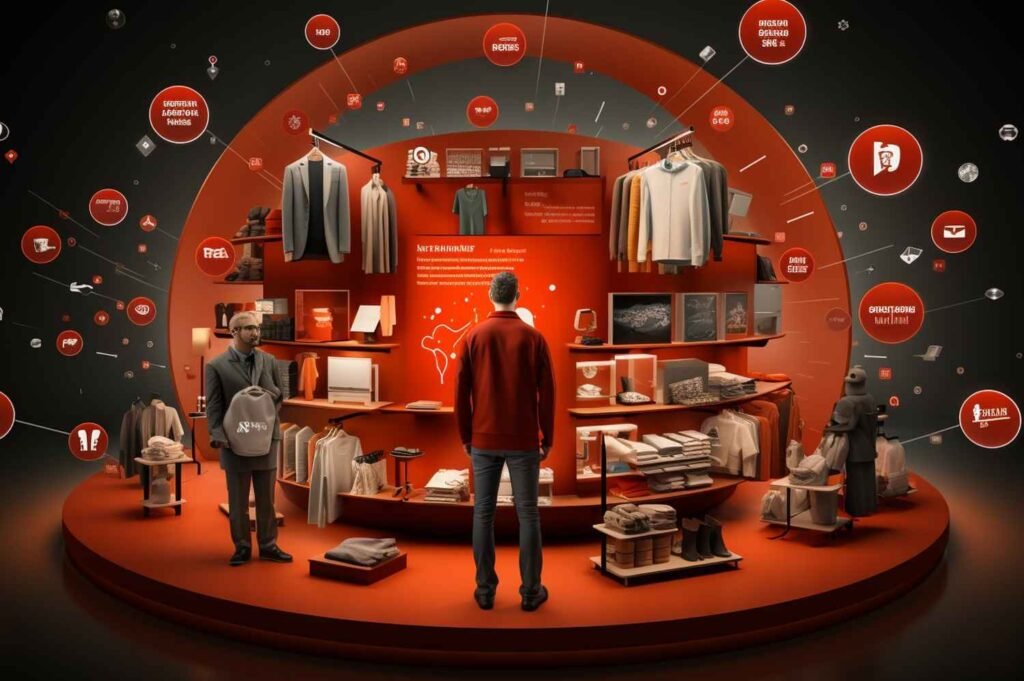

A shopper in 2020 no longer needed to visit an online store with a specific product in mind. A TikTok video, influencer review, buying guide, livestream, or Instagram post could introduce the product, explain its value, build trust, and lead directly to a purchase.
That change sits at the center of how online content commerce became king in 2020. As US consumers spent more time online and relied less on physical retail, content became a powerful shopping channel of its own. Brands, publishers, creators, and social platforms began turning entertainment and information into product discovery, making the path from inspiration to checkout faster and more natural than ever before.
Why Did Content Commerce Grow So Fast in 2020?
COVID-19 created what could be described as forced digital adoption.
Store closures, capacity restrictions, health concerns, remote work, and stay-at-home habits pushed millions of Americans toward online shopping. McKinsey later estimated that US e-commerce penetration experienced roughly a decade of growth within only a few months.
That speed mattered.
Consumers who had previously preferred physical stores suddenly had to become comfortable ordering groceries, home goods, electronics, clothing, fitness equipment, and everyday essentials online.
Retailers also faced a new challenge. As more businesses competed for digital customers, traditional product listings and search ads were no longer enough. Brands needed richer content that could educate, entertain, reassure, and convert consumers who could not always inspect a product in person.
How Did Online Shopping Shift From Search to Discovery?
Traditional ecommerce largely depended on intent.
A shopper knew what they wanted, visited Google, Amazon, or a retailer’s website, searched for the product, compared options, and completed the purchase.
Content commerce changed that sequence.
Consumers could open Instagram, TikTok, YouTube, or a publisher’s website without intending to purchase anything and discover a product through a video, review, tutorial, gift guide, creator recommendation, or social post.
The shopping journey started with content rather than a search box.
This shift from search-driven shopping to discovery-driven commerce became one of the most important changes of 2020 because it allowed retailers to create demand rather than simply compete for existing demand.
Why Did Shoppable Video and Livestreaming Matter?

Video became increasingly important because it could recreate parts of the physical shopping experience.
A product demonstration could show size, functionality, appearance, and real-world use in ways that static photos could not. Livestreaming added interaction, allowing viewers to watch demonstrations and respond in real time.
Social platforms also began making the path to purchase more direct.
In 2020, Facebook introduced and expanded commerce features around Facebook Shops and Instagram shopping. Instagram checkout expanded to eligible US businesses and creators, allowing consumers to purchase products within the platform instead of navigating through a long series of separate webpages.
That reduced friction between inspiration and checkout.
Shoppable video, social commerce, and livestream ecommerce therefore became more than promotional formats. They started functioning like digital retail environments.
How Did Influencers Become Digital Retail Guides?
The creator economy also benefited from the change in shopping behavior.
When consumers could not easily walk into stores, test products, ask sales associates questions, or compare merchandise physically, creator content helped fill part of that information gap.
Technology reviewers demonstrated laptops and accessories. Beauty creators showed cosmetics in real conditions. Home creators demonstrated kitchen products and furniture. Fitness influencers introduced exercise equipment for people building home gyms.
The value of influencer commerce came from context.
Instead of seeing a product against a blank e-commerce background, consumers saw someone using it.
That made creator reviews, tutorials, hauls, demonstrations, and recommendations powerful forms of social proof. Creators increasingly acted as a bridge between entertainment and retail.
Why Did Social Media Become an Ecommerce Storefront?
Social networks had spent years becoming major discovery platforms, but 2020 accelerated their evolution into commerce platforms.
Algorithms already understood what users watched, liked, saved, and shared. Connecting those interests with products was a natural next step.
This personalized approach relies on understanding users’ interests, browsing activity, and engagement patterns to deliver more relevant product recommendations and marketing messages. For a closer look at how this works, explore behavioral targeting in digital marketing.
For US consumers, this created a personalized discovery environment.
Someone watching cooking videos could discover cookware. A person consuming fitness content could encounter workout equipment. Someone following interior-design creators could discover furniture and home accessories.
This form of personalized social commerce transformed casual browsing into potential purchasing opportunities.
Instead of shoppers always searching for products, products increasingly found shoppers.
How Did Easier Checkout Help Content Commerce Grow?

Discovery alone would not have been enough. The transaction also needed to become easier.
US consumers increasingly relied on saved cards, mobile wallets, retailer apps, one-click purchasing, streamlined checkout flows, and integrated social shopping.
These technologies removed steps from the customer journey.
The difference might seem small, but every additional page, login screen, or form creates an opportunity for a customer to abandon a purchase.
Content commerce worked particularly well when the distance between seeing something desirable and purchasing it became almost invisible.
That frictionless infrastructure helped turn digital inspiration into measurable ecommerce revenue.
Why Did Publishers Become Ecommerce Businesses?
Publishers also recognized that product-focused content could become a major revenue stream.
Buying guides, reviews, gift guides, comparison articles, and affiliate content helped readers make purchasing decisions while generating commissions for publishers.
Beyond affiliate links and product recommendations, digital publishers can also explore small, direct payments for premium articles, exclusive resources, and other online content. Choosing the right micro-transaction tools for digital media websites can help publishers monetize individual pieces of content and diversify their revenue streams.
The results during 2020 showed how powerful the model could become.
Digiday reported that BuzzFeed’s gift-guide revenue increased more than 575% during the Cyber 5 shopping period, while The Strategist recorded a 120% year-over-year increase in Cyber 5 revenue.
Evergreen commerce content proved particularly valuable. Articles such as “best coffee makers,” “best gifts,” or product comparisons could continue attracting search traffic long after publication.
That transformed editorial content from something supported primarily by advertising into an asset capable of generating transactions directly.
How Did Content-First Brands Benefit From the Shift?
Food52 provides another strong example.
The publisher had already combined recipes, editorial content, community, and products before the pandemic. During 2020, its ecommerce operation benefited dramatically from consumers spending more time cooking and shopping at home.
AdExchanger reported that Food52’s shop sales increased 175% year over year during the pandemic, while unique visitors doubled in May 2020.
The lesson was significant: content and commerce could strengthen each other.
Useful editorial content attracted an audience. Audience trust supported product discovery. Product sales then created a revenue stream directly connected with the content experience.
Why Did Useful Content Beat Aggressive Selling?
Consumers faced enormous uncertainty during 2020, so brands also had to reconsider how they communicated.
Hard-selling products without acknowledging changing circumstances could feel disconnected.
The most useful content addressed real problems.
Retailers created home-office advice for remote workers. Fitness brands produced home workout content. Food companies published recipes. Technology brands explained virtual communication tools. Publishers expanded product reviews and holiday shopping guides.
This approach worked because it started with consumer needs rather than a sales pitch.
Even useful content can fall short when a campaign lacks clear goals, audience alignment, or a consistent message. Understanding why digital marketing campaigns fail can help brands build more focused strategies that connect consumer needs with relevant products.
Content built trust first and introduced products naturally.
What Made Content Commerce Different From Traditional Ecommerce?

Traditional ecommerce was primarily transactional. Consumers searched for a product, compared prices, examined specifications, and purchased based on factors such as availability, convenience, brand reputation, and delivery speed.
Content commerce added inspiration and entertainment to that process.
Static product photos became demonstrations and shoppable videos. Search-driven discovery expanded into algorithmic recommendations. Conventional product reviews were joined by creator tutorials, social proof, livestreams, and interactive media.
Price and convenience still mattered, but consumers increasingly purchased because content helped them imagine using the product.
What Did 2020 Permanently Change About Digital Retail?
The most lasting lesson behind how online content commerce became king in 2020 is that media and retail stopped behaving like completely separate industries.
A publisher could become a retailer. An influencer could function as a digital salesperson. A social network could become a storefront. A video could become a product demonstration and checkout funnel at the same time.
The ecommerce customer journey became less linear.
Consumers could move from entertainment to inspiration, research, social proof, and purchase without consciously separating those stages.
That model continues to shape ecommerce content marketing, social commerce, influencer marketing, affiliate commerce, branded entertainment, and product discovery today.
Frequently Asked Questions
1. What is content commerce?
Content commerce combines informational or entertaining content with product discovery and purchasing opportunities. Examples include product reviews, buying guides, influencer recommendations, shoppable videos, affiliate content, livestream shopping, and social commerce.
2. Why did content commerce become so important in 2020?
Pandemic restrictions accelerated ecommerce adoption, increased digital media consumption, and reduced access to many traditional retail experiences. Brands and publishers responded by using content to educate shoppers and connect them directly with products.
3. How online content commerce became king in 2020 and why is it still relevant?
It became dominant because product discovery increasingly happened inside digital content rather than only through deliberate searches. That behavior remains relevant because consumers still discover products through social feeds, videos, creators, search content, and publisher recommendations.
4. How is content commerce different from traditional ecommerce?
Traditional ecommerce often begins when consumers already know what they want. Content commerce can generate demand by helping people discover products through engaging or useful content before they intentionally start shopping.
5. What types of content work best for ecommerce?
Product comparisons, reviews, demonstrations, buying guides, creator tutorials, social videos, user-generated content, livestreams, and evergreen informational articles can all help consumers make purchasing decisions.
The Lasting Impact of the 2020 Content Commerce Boom
When I revisit how online content commerce became king in 2020, the biggest change was not simply higher e-commerce sales. It was the transformation of how consumers discovered what to buy.
Search remained important, but discovery became equally powerful.
Videos could inspire purchases. Creators could replace parts of the in-store research experience. Publishers could turn recommendations into commerce revenue. Social networks could shorten the journey from browsing to checkout.
For US brands, that change created a lasting lesson: successful ecommerce is no longer only about having the right product available online. It is also about creating useful, trustworthy, and engaging content that helps the right consumer discover that product at the right moment.