I find luxury marketing most revealing when a brand’s carefully controlled image meets the unpredictability of a live audience. A viewer asks about craftsmanship, another wants styling advice, and someone else is ready to buy. Suddenly, storytelling must support a useful shopping experience.
That tension explains my interest in The Luxury Brand Playbook for 2021: Copying What Works in China. This historical perspective examines how content commerce, livestreaming, cultural understanding, and digital service influenced luxury strategies during that period. Its lasting value lies in understanding the principles behind those experiments and adapting them thoughtfully.
Why China Shaped Luxury Marketing in 2021
Pandemic travel restrictions disrupted the overseas shopping trips that had supported luxury spending. Brands needed stronger ways to reach customers shopping closer to home, while physical retail faced uncertainty.
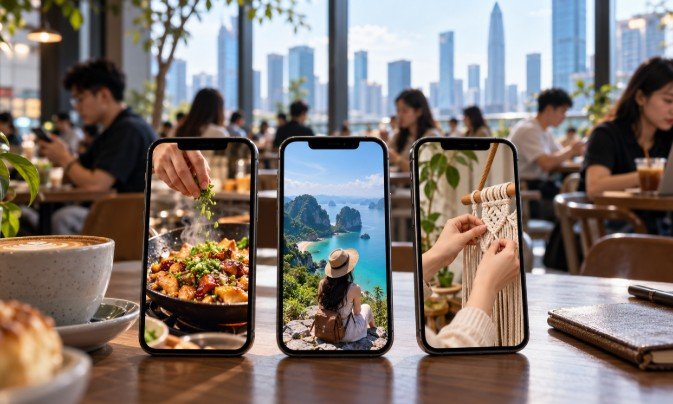
China offered an important testing ground because social platforms, entertainment, messaging, and commerce were already closely connected. Consumers could discover a product through content, discuss it, and move toward purchasing within a connected digital environment.
For luxury houses, this challenged the assumption that exclusivity required distance. Digital access could broaden participation while personalized service, craftsmanship, and selective distribution maintained distinction.
Make Content Part of the Shopping Experience

Content commerce connects editorial or entertainment experiences with opportunities to explore and purchase products. For luxury brands, its effectiveness depends on whether the content makes ownership feel meaningful.
A leather goods demonstration might explain construction, show how a bag sits on the shoulder, and answer questions about capacity. A jewelry presentation could explore design inspiration before introducing appointment options.
These details reduce uncertainty while preserving the emotional appeal of the product. The next step should fit the customer’s needs: browsing specifications, contacting an adviser, booking a visit, or buying.
Connect Inspiration With Useful Information
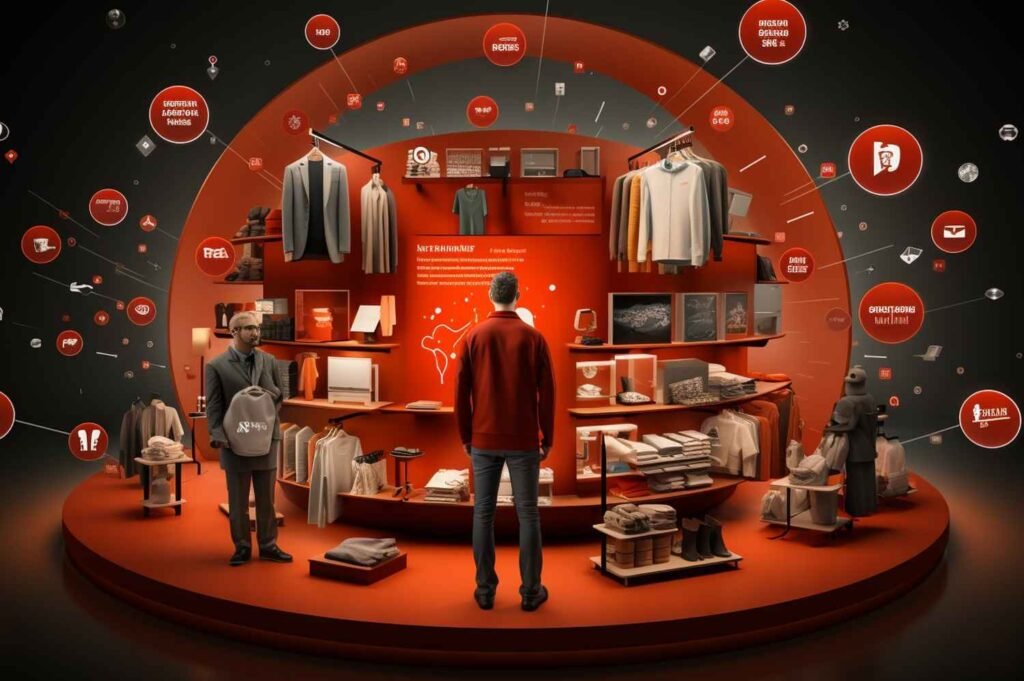
Beautiful imagery attracts attention, but customers also need dimensions, materials, availability, and service details. A compelling campaign loses momentum when these answers are difficult to find.
Consistent information across content, product pages, and advisers helps turn curiosity into confidence.
Use Livestreaming to Demonstrate Luxury
Livestreaming became a prominent part of the discussion because it combined presentation with immediate audience interaction. However, different formats served different purposes.
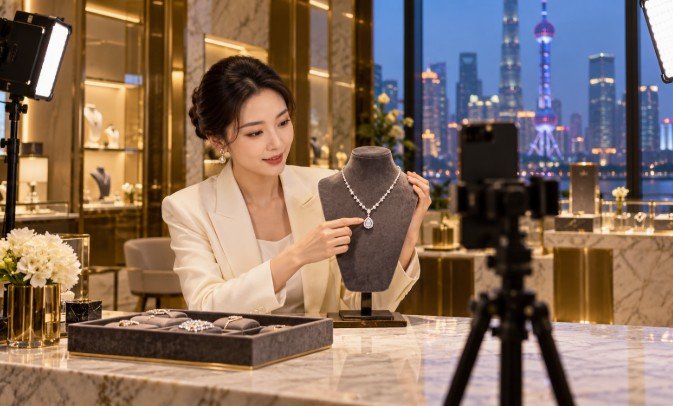
A runway broadcast could build awareness. An expert demonstration could explain craftsmanship. A private presentation could deepen relationships with established clients.
Cartier’s digital activity illustrated luxury’s willingness to experiment with both broad engagement and high-value product storytelling. The transferable lesson is to choose a format around the customer relationship, rather than treating every broadcast as a sales event.
Protect Quality While Allowing Conversation
Lighting, sound, product handling, and knowledgeable hosts influence perceived quality. Preparation matters, especially when viewers expect close attention to detail.
Hosts also need room to answer real questions. A polished presentation becomes more useful when customers can influence the discussion.
Choose Platforms Around Audience Behavior
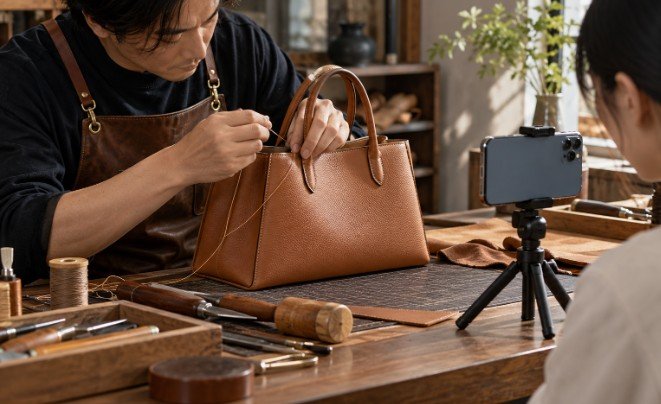
The platforms discussed in 2021 served different audience needs. WeChat supported messaging and customer relationships, while Weibo helped distribute public conversations. Douyin offered short-video discovery, Xiaohongshu supported lifestyle exploration, and Bilibili connected brands with entertainment communities.
These roles overlapped, and campaign design needed to reflect actual audience behavior.
Reading The Luxury Brand Playbook for 2021: Copying What Works in China as a universal platform checklist misses its practical value. Brands should identify where their intended customers spend time, what content they welcome, and which actions feel natural there.
A smaller, relevant audience may offer greater commercial value than broad exposure with little purchase intent.
Build Cultural Relevance Through Specific Choices
Localization extends beyond translating captions or changing campaign colors. It requires understanding occasions, humor, creative communities, and expectations around gifting.
Shopping festivals also demand selection. Participating in every promotional moment can weaken a luxury brand’s distinctiveness and stretch creative resources.
YSL’s Valentine’s Day activity in 2021 provides an example of choosing an occasion around a relevant gifting proposition. The broader lesson is to match timing, products, and audience motivations.
Local creative partners can help identify weak assumptions before launch. Their contribution should shape the concept early, when meaningful changes remain possible.
Choose Collaborations With a Clear Connection
Unexpected partnerships can introduce luxury brands to new communities, but surprise alone provides a weak foundation.
Gucci’s collaboration with The North Face connected fashion with outdoor exploration. Its appeal offered a coherent reason for the two identities to meet.
A useful collaboration gives each partner something credible to contribute. Shared design ideas, complementary expertise, or overlapping customer interests create substance beyond publicity.
Brands should also consider whether the partnership attracts future customers, serves existing clients, or primarily generates conversation. Those objectives require different measures of success.
Connect Digital Discovery With Personal Service
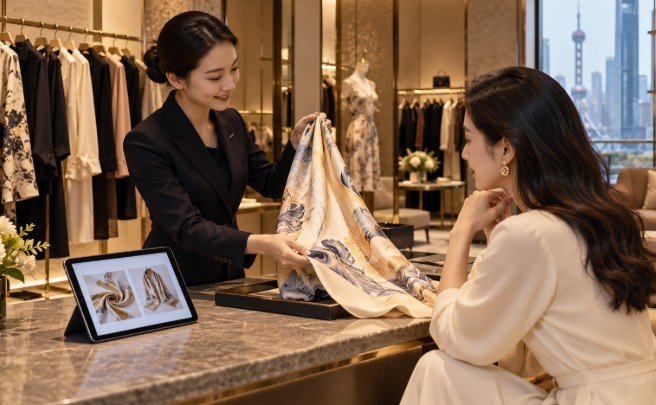
Luxury purchases often involve several interactions before a decision. As a discussion topic, CCI Qampa – nick cakebread on China’s year provides a useful starting point for exploring this customer journey. A customer might watch a video, request advice, visit a boutique, and purchase later.
Digital customer service should support that journey. Advisers need accurate product knowledge, reliable availability information, and permission-based ways to continue conversations.
The experience should feel personal without becoming intrusive. Relevant follow-up helps; repeated promotional messages can undermine trust.
Measure More Than Attention
Views demonstrate exposure, but they do not establish revenue or profitability. Engagement may indicate interest without proving purchase intent.
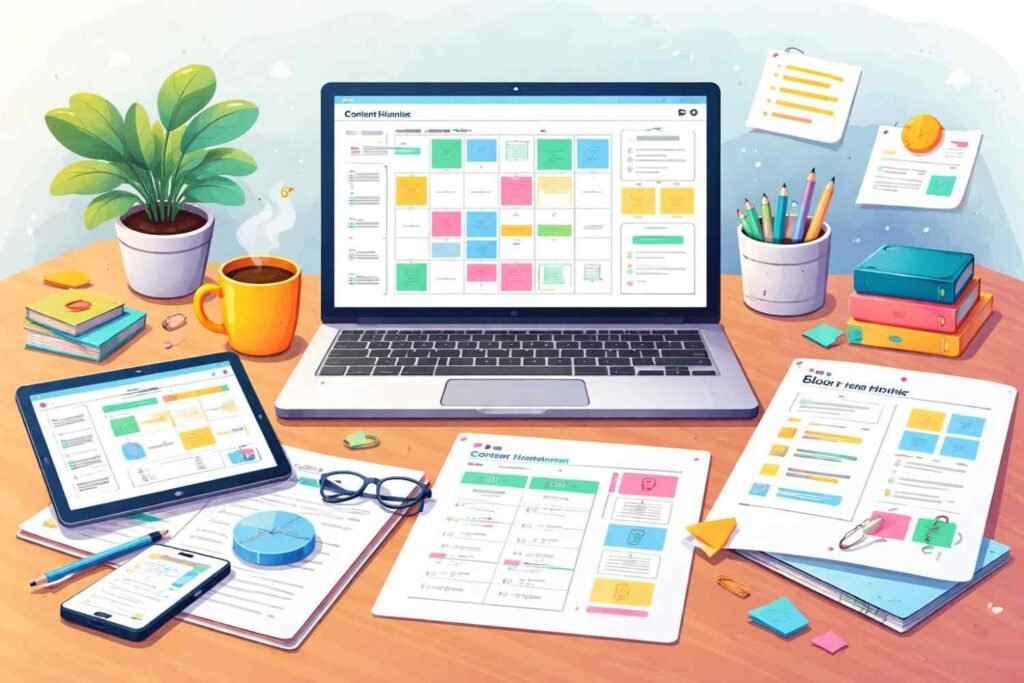
Campaign evaluation should connect objectives with appropriate measures. Awareness activity might prioritize qualified reach, while product demonstrations could track inquiries, appointments, and subsequent purchases.
Commercial reporting should also consider returns, production expenses, partner fees, and repeat business. A smaller campaign that attracts valuable customers may outperform a widely viewed event.
Frequently Asked Questions
1. What does The Luxury Brand Playbook for 2021: Copying What Works in China teach brands?
It shows how connected content, commerce, and customer service influenced luxury marketing. Its strongest lesson is to adapt successful principles to local audiences and purchasing habits.
2. Does livestreaming require discounts?
No. Expert access, craftsmanship demonstrations, styling guidance, and personalized consultations can provide value without reducing prices.
3. Can digital accessibility preserve exclusivity?
Yes. Broad storytelling can coexist with selective products, controlled distribution, exceptional service, and private client experiences.
What I Would Carry Forward
I see the strongest lesson in the connection between attention and service. A beautiful campaign earns interest, but useful information and thoughtful assistance help customers act.
I would begin with one audience, one clear objective, and an experience the brand can deliver consistently. That approach makes experimentation measurable while protecting the qualities customers expect from luxury.