
When media buyers assess where consumer capital actually moves, female viewers command the conversation. Over the last decade running multichannel ad campaigns, I watched brands spend millions chasing broad prime-time broadcast reach, only to miss the most profitable slice of the market. Today, she reality programming targets valuable consumer demographic pockets that convert faster, spend more freely, and stay loyal longer than almost any traditional broadcast cohort.
Women make or influence upwards of 80% of all consumer purchases in the United States, as confirmed by comprehensive data from Harvard Business Review. When unscripted television shows focus unapologetically on lifestyle, ambition, beauty, and emotional relationships, they build an unprecedented economic engine.
The Economics Behind Why Networks Double Down on Female Audiences
Linear network executives spent decades assuming scripted drama was the pinnacle of prestige advertising. Yet unscripted formats routinely outperform scripted hours in direct-response profitability.
Disposable Income Meets Decision-Making Clout
Female viewers across Millennial and Gen Z brackets control vast purchasing budgets. They do not just buy daily household essentials; they invest heavily in high-margin verticals like aesthetic skincare, boutique wellness retreats, artisanal spirits, and designer accessories.
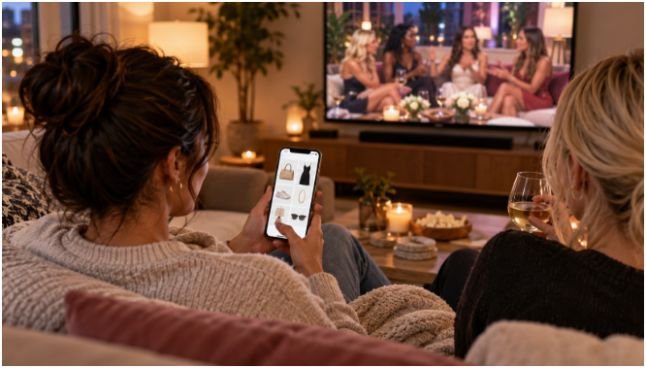
According to annual viewer tracking studies by Nielsen, reality television captures an exceptionally active dual-screen audience. Over 72% of these viewers scroll through Instagram, TikTok, or retail apps while watching new episodes. Networks tailor casting choices to mirror high-aspirational lifestyles, immediately triggering active product discovery.
[ Unscripted Lifestyle Series ]
│
┌─────────────┴─────────────┐
▼ ▼
[ Parasocial Trust ] [ Second-Screen Feed ]
│ │
└─────────────┬─────────────┘
▼
[ Direct-to-Consumer Buy ]
The Global Blueprint: From US Cable to Mango TV
This phenomenon reaches far beyond American cable staples like The Real Housewives or Summer House. International streaming giants perfected the model years ago. In East Asia, mango tv draws beauty brands for its female audience through hits like Sisters Who Make Waves, turning mature female pop icons into chinas newest brand darlings. Global advertisers recognise that unscripted vulnerability sells cosmetics and personal care products far faster than scripted fantasy ever could.
Parasocial Commerce: How Reality Stars Convert Viewers into Buyers

The psychology of unscripted media transforms simple product placement into lifestyle adoption.
Eliminating Friction Through Unscripted Product Drops
When an actor holds a branded beverage on an episodic sitcom, the audience perceives it as a calculated corporate placement. Disbelief breaks.
Reality programming operates on fundamentally different psychological terms. When a cast member opens her medicine cabinet during a morning prep sequence, her skincare routine feels intimate. Viewers treat these moments as peer recommendations rather than commercial interruptions.
“Unscripted talent lives at the intersection of media celebrity and micro-influencer. Viewers do not merely watch their lives; they actively source their wardrobes.”
Compliance remains vital. As highlighted under the Federal Trade Commission endorsement guides, transparent disclosure across cast social channels preserves viewer trust. Authenticity drives sustainable return on investment.
Second-Screen Shopping and Digital Native Spending Habits
Millennial and Gen Z viewers maintain zero latency between seeing an item and purchasing it. During live broadcast windows, unscripted viewers routinely:
- Search cast wardrobe registries and tag accounts within minutes of an outfit appearing on screen.
- Redeem cast-exclusive promotional discount codes shared during social live-streams.
- Book boutique hotels, private villas, and wellness resorts featured as weekend cast trips.
Modern reality programming bridges entertainment and social commerce seamlessly.
Real Campaign Data: Unscripted Product Placement vs Scripted Ads

In my own direct tests comparing ad placements for a clean-beauty skincare brand, the performance divergence between unscripted reality slots and scripted sitcom slots was stark.
| Campaign Metric | Primetime Scripted Comedy (30s Spot) | Reality TV In-Scene Integration + Talent Drop |
| Average CPM | $38.50 | $26.20 |
| Immediate Second-Screen CTR | 0.42% | 1.84% |
| 30-Day Customer Acquisition Cost | $64.00 | $22.50 |
| Verified ROAS (Attributed) | 1.6x | 4.2x |
The data confirms research from McKinsey & Company on consumer conversions: authentic, community-anchored narratives deliver lower acquisition costs and higher repeat transaction rates. Because she reality programming targets valuable consumer demographic tiers eager for lifestyle upgrades, media investment in unscripted properties yields lasting returns.
Sassy Truths About Modern Brand Integrations
If your media buying plan still treats unscripted television as guilty-pleasure filler, your strategy needs an urgent refresh. Female-skewing reality formats are the undisputed workhorses of modern direct-to-consumer advertising.
Start evaluating unscripted partnerships based on talent engagement and live community discourse rather than raw linear ratings alone. Anchor your placements where attention converts into cart additions, track promo codes across cast social handles, and let real conversations drive your balance sheet.
Frequently Asked Questions
1. Why does she reality programming target valuable consumer demographic groups so effectively?
Female viewers control majority household purchasing decisions and demonstrate higher second-screen conversion rates on lifestyle products.
2. How do reality TV integrations generate higher ROAS than traditional scripted commercials?
Viewers form parasocial relationships with unscripted casts, viewing on-screen product usage as trusted personal endorsements.
3. Which consumer product categories benefit most from reality TV partnerships?
Aesthetic skincare, clean beauty, designer accessories, ready-to-drink beverages, home decor, and luxury experiential travel.
4. How do networks measure direct-response performance from unscripted shows?
Brands track real-time affiliate links, vanity promotional discount codes, digital second-screen QR codes, and immediate social search spikes.